

Why Workers Over 45 Are Being Left Behind
Episode 333 - Workforce participation drops sharply after 45, despite strong demand for experienced talent. In this episode, we explore the structural barriers, age bias, and outdated career models holding professionals back, and what individuals, employers, and governments can do to better support longer, more productive working lives.
Guest: Michele Lemmens
We have all fallen in love with NASA's crew for its Artemis II mission, the first crewed mission to orbit the Moon in more than half a century. What stood out to me was the composition of the team. Every astronaut selected was Generation Xer, in their 40s and 50s.
When the stakes are high, we do not default to youth. We choose experience. That's what NASA did . They choose judgment. They choose people who have navigated complexity before and can do so again under pressure.
And yet, in the labour market, we continue to behave as if the opposite were true.
This contradiction sits at the heart of what has been described as the “longevity paradox”: We are living longer, healthier lives, but participating less in the workforce as we age. For the corporate professionals I work with, this is not an abstract concept. It is a lived experience, often emerging in their mid-40s and becoming more pronounced thereafter.
This issue has become more personal for me recently. At the age of 54, I have just become a grandmother. It has prompted a different kind of reflection about time, work, and what the next decades should look like. Like many of my clients, I am not thinking about slowing down. I am thinking about how to work in a way that is sustainable, meaningful, and aligned with the realities of a longer life.
The question is whether our institutions are prepared to support that.
A Workforce Designed for a Different Era
The architecture of modern careers remains rooted in assumptions that no longer hold. For much of the 20th century, a linear trajectory made sense: Education, early career growth, a midlife peak, followed by a gradual transition out of the workforce.
Today, that model is increasingly misaligned with demographic reality. Life expectancy has extended, but career structures have not. Many professionals in their 40s and 50s have decades of productive work ahead of them, yet the pathways available to them narrow rather than expand.
This is not due to a lack of willingness. Surveys consistently show that a large majority of mature professionals want to continue working. Nor is it due to a lack of capability. If anything, this stage of a career is often characterised by the highest levels of competence, combining technical expertise with contextual judgment.
Instead, the issue lies in how work is organised and how talent is assessed.
The Subtle Mechanics of Exclusion
Age bias rarely presents itself in overt terms. It is more often embedded in the language and assumptions of hiring and promotion processes.
Employers speak of “cultural fit,” often as a proxy for homogeneity. They prioritise “potential,” frequently defined in ways that privilege early-career profiles. Concerns about salary expectations, adaptability, or tenure are raised indirectly, shaping decisions without being explicitly acknowledged.
For the individuals experiencing this, the effect is cumulative. Applications do not convert into interviews. Conversations stall. Feedback, when given, is vague. The result is a growing sense of misalignment between what they know they can contribute and what the market appears to value.
This is particularly striking given the broader economic context. Many industries report persistent skills shortages, especially in areas requiring leadership, stakeholder management, and strategic oversight. These are precisely the capabilities that tend to deepen with experience.
The Midlife Inflection Point
The period between 45 and 60 is often one of the most complex phases of a professional life. Responsibilities expand rather than contract. Careers intersect with caregiving, whether for children, ageing parents, or both. Health becomes a more active consideration. Financial obligations are often at their peak.
At the same time, many individuals are reassessing their relationship with work. The metrics of success that defined earlier stages, such as title and compensation, may no longer hold the same weight. There is a greater emphasis on purpose, flexibility, and sustainability.
What is missing is a coherent framework for navigating this transition.
Organisations, for the most part, continue to operate with rigid role definitions and linear advancement pathways. There is limited space for alternative career models that would allow experienced professionals to contribute in different ways without being forced into either continued escalation or premature exit.
Experience in an Age of Artificial Intelligence
The rise of artificial intelligence adds another layer of complexity to this discussion. Much of the public discourse has focused on displacement: which roles will be automated, which skills will become obsolete.
This framing risks overlooking a more nuanced reality. AI excels at processing information, identifying patterns, and automating routine tasks. It is less effective in areas that require judgment, context, and relational understanding.
These are not peripheral skills. They are central to leadership and decision-making in complex environments.
In this sense, the value of experience may increase rather than diminish. The ability to interpret information, to weigh competing priorities, and to navigate ambiguity becomes more critical as the volume and speed of data increase.
The challenge is ensuring that this value is recognised and integrated into organisational design.
Rethinking the Narrative of Experience
For individuals, one of the most immediate levers available is how they articulate their experience.
There is a tendency to assume that tenure and seniority will speak for themselves. In practice, they often do not. What matters is the ability to connect past experience to present challenges in a way that is clear and relevant.
This requires a shift in narrative. From a retrospective account of roles held to a forward-looking articulation of value. From describing responsibilities to demonstrating outcomes. From emphasising stability to highlighting adaptability.
It also requires a willingness to reconsider what progression looks like. The next phase of a career may not follow a straightforward upward trajectory. It may involve lateral moves, portfolio roles, or transitions across sectors. These shifts are not necessarily a step back; they can represent a more sustainable alignment between work and life over a longer horizon.
The Limits of Individual Adaptation
While much of the focus tends to fall on what individuals can do differently, there are clear limits to this approach.
The longevity paradox is, at its core, a structural issue. It reflects a misalignment between demographic trends and institutional practices. Addressing it will require coordinated changes across organisations, labour markets, and public policy.
Employers will need to rethink how they design roles, assess talent, and support career development beyond midlife. Governments will need to consider how retirement policies, taxation, and training systems can better align with longer working lives.
These are not minor adjustments. They represent a reconfiguration of how work is understood and organised.
A Moment of Decision
The current moment presents a choice.
On one path, the gap between longevity and workforce participation continues to widen. Experienced professionals are underutilised, economic productivity is constrained, and individuals face unnecessary financial and social pressures as they age.
On the other path, experience is reframed as a strategic asset. Career models evolve to accommodate longer, more varied working lives. Organisations benefit from a broader and more balanced talent pool.
The example set by NASA is instructive not because it is exceptional, but because it is rational. When the mission is complex and the margin for error is small, experience is not a liability. It is a prerequisite.
The question is whether the broader labour market is prepared to apply the same logic.
Listen to the Full Conversation
This article draws on a recent conversation with Michele Lemmens and Rebecca Hall for episode 333 of The Job Hunting Podcast, where we explored the longevity paradox in depth and discussed what needs to change across business, government, and individual career strategy.
If this topic resonates with you, I recommend listening to the full episode. We discuss:
- Why workforce participation drops after 45 despite skills shortages
- How organisations are misreading experience
- What professionals can do to stay competitive and relevant
- What systemic changes are needed to better support longer working lives
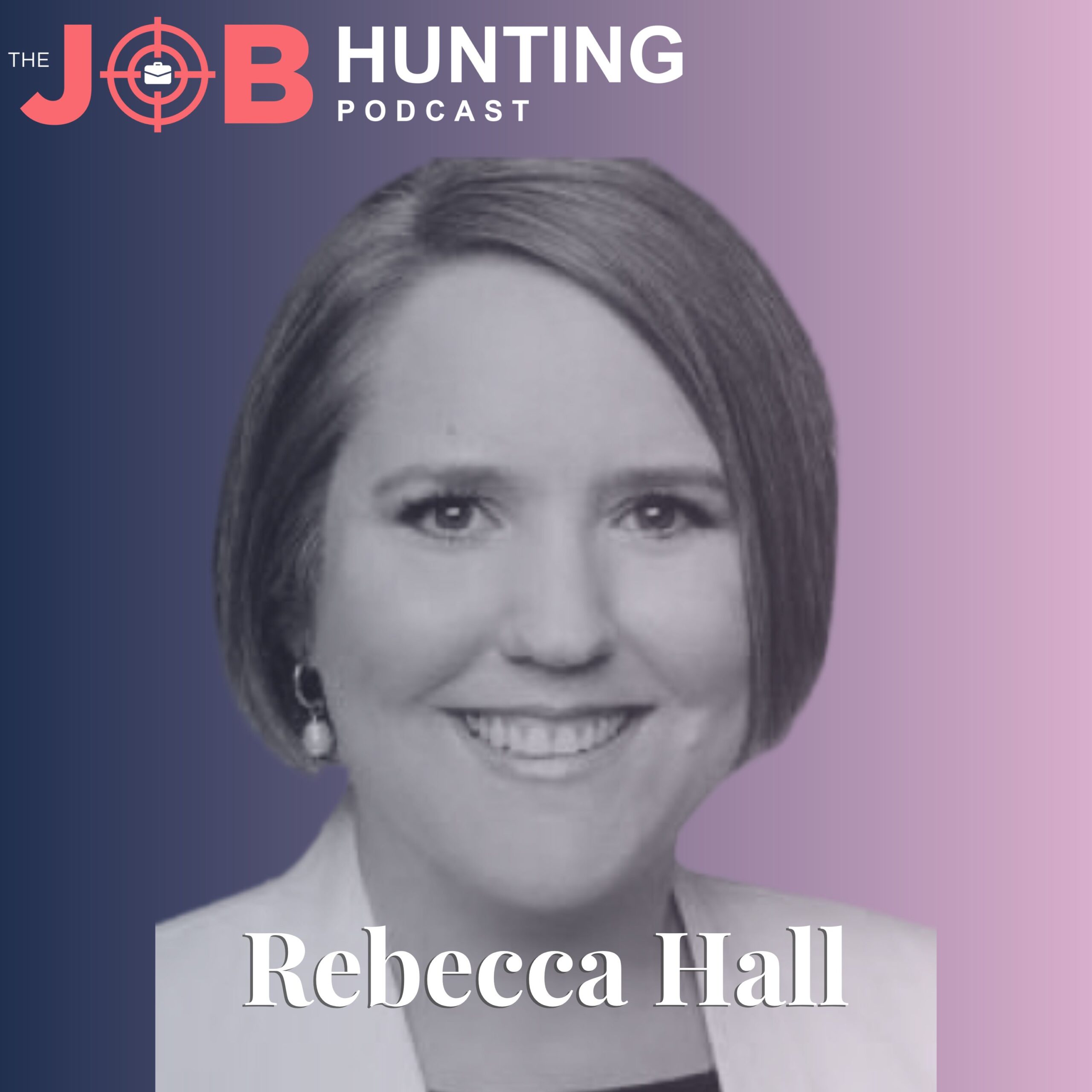
About Our Guest, Rebecca Hall
Rebecca Hall is a senior executive and policy leader with more than 30 years of experience across government, education, and international engagement in the Asia-Pacific region.
She has held leadership roles across government, peak bodies, and institutions, with a strong focus on skills, education, trade, and workforce development. Her work has centred on shaping policy, driving strategy, and delivering commercial and cross-border initiatives.
Rebecca is deeply committed to the role of education in creating a better and more equitable world. She brings a collaborative leadership style, strong commercial acumen, and deep expertise in stakeholder engagement and governance.
She is also an experienced board director, having served on a range of not-for-profit boards, and is a member of the Australian Institute of Company Directors National Education Advisory Committee.
Rebecca combines policy insight with lived experience, bringing a practical perspective to conversations about workforce participation, career transitions, and the future of work.
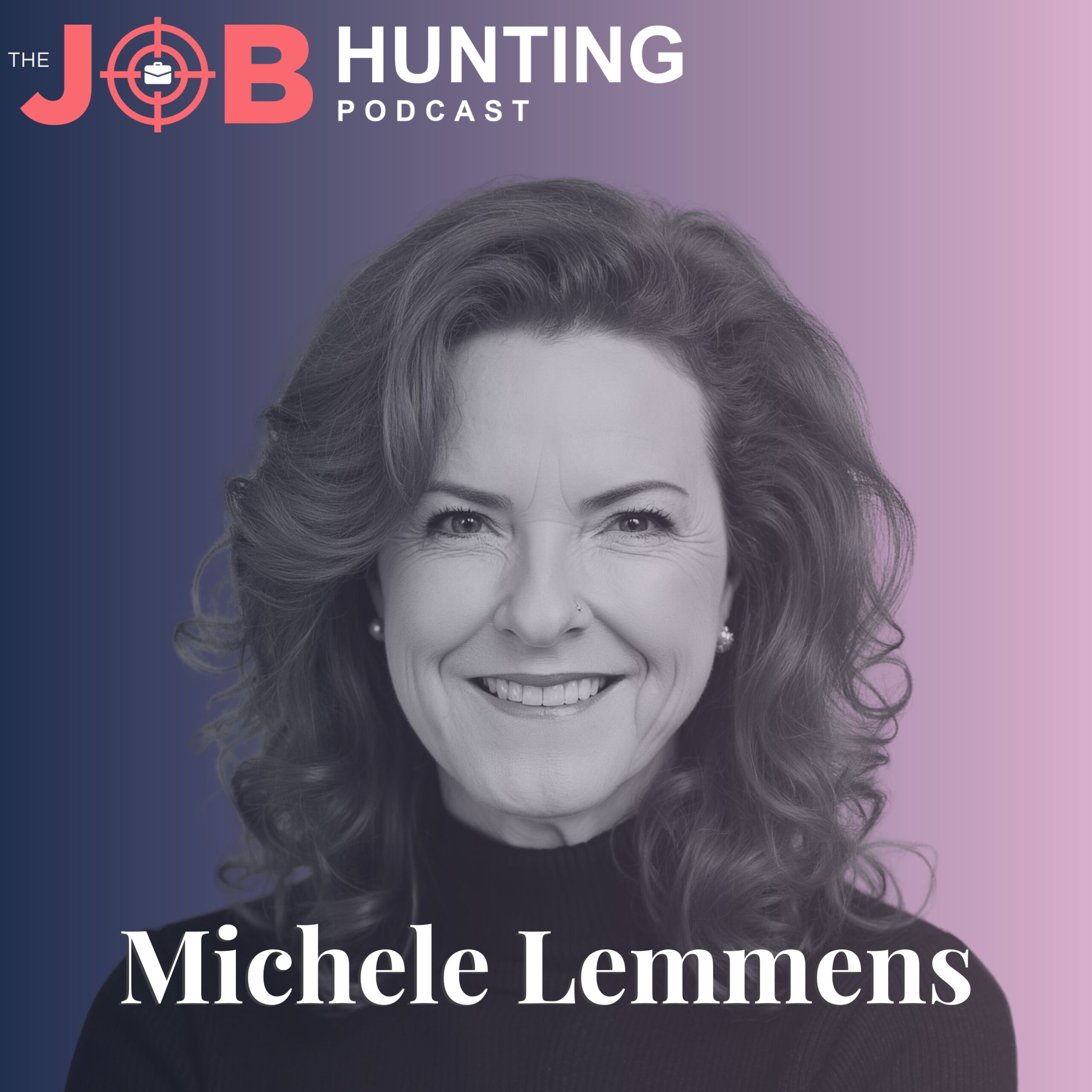
About Our Guest, Michele Lemmens
Michele Lemmens is a strategic venture builder with more than 25 years’ experience leading transformation across consulting, technology, sustainability, and social innovation.
She has held senior executive and business architect roles across Australia, Singapore, Saudi Arabia, the UK, and New Zealand, where she has designed new business models, built multi-stakeholder ecosystems, and launched initiatives that deliver measurable impact.
From pioneering ESG standards in Asia to establishing innovation hubs and purpose-driven ventures, Michele has built and scaled eight major initiatives across corporate, startup, academic, and non-profit sectors. She is known for combining strategic foresight with operational discipline and strong partnership-building, making her a trusted advisor to boards, CEOs, and founders navigating complex change.
Today, Michele is the founder of the Longevity Productivity Lab, where she is focused on one of the most pressing workforce challenges of our time: the longevity paradox. Her work reframes how organisations and economies can better support longer working lives, unlocking the value of experienced professionals to drive productivity, resilience, and intergenerational prosperity.
She is a regular speaker on leadership, sustainability, and innovation, and contributes to boards, foundations, and academic institutions. Her work is grounded in one goal: building systems that allow people and organisations to thrive over the long term.
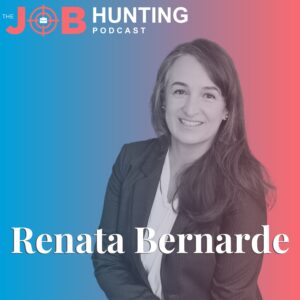
About the Host, Renata Bernarde
Hello, I’m Renata Bernarde, the Host of The Job Hunting Podcast. I’m also an executive coach, job hunting expert, and career strategist. I teach professionals (corporate, non-profit, and public) the steps and frameworks to help them find great jobs, change, and advance their careers with confidence and less stress.
If you are an ambitious professional who is keen to develop a robust career plan, if you are looking to find your next job or promotion, or if you want to keep a finger on the pulse of the job market so that when you are ready, and an opportunity arises, you can hit the ground running, then this podcast is for you.
In addition to The Job Hunting Podcast, on my website, I have developed a range of courses and services for professionals in career or job transition. And, of course, I also coach private clients
Resources Mentioned in This Episode
Timestamps to Guide Your Listening
- 00:00 Introduction to the Longevity Economy Paradox
- 06:14 Understanding Workforce Participation and Aging
- 09:02 Personal Experiences with Career Transitions
- 12:09 The Role of Technology and AI in the Workforce
- 15:22 Challenges of Ageism in Recruitment
- 18:09 Strategies for Job Seekers Over 50
- 21:23 The Importance of Networking and Community Support
- 24:16 Midlife Career Checkup: Questions to Reflect On
- 26:57 Final Thoughts and Action Steps for Listeners
Transcript
Renata Bernarde (00:00)
And welcome back to the Job Hunting Podcast. I want to start today’s episode with something that really caught everyone’s attention recently. When NASA sent the crew into space for the Artemis 2 mission, the first crew mission set to orbit the Moon in over 50 years, what stood out the most to me was that every astronaut selected was a Generation Xer like me.
All of them were born in the 70s and were in their 40s and 50s.
When the stakes are high, when the mission is really important and it matters, who do we trust? We trust experience, we trust judgment, we trust people who have seen complexity and know how to navigate it.
And yet in the workplace we often do the opposite, with sidelined professionals in their 40s, 50s and beyond at the exact moment when their contribution could be at its peak.
That’s what today’s episode is all about. It’s also very timely for me personally. I’ve just become a grandmother and I’m reflecting on how I want to work in this next phase of my life. What matters to me now? What do I want my work to look like? And how do I balance that what I want with family, health and longevity?
you may be in a similar situation. If you’ve been asking yourself similar questions, this conversation will resonate. Today, I’m joined by two guests.
Michelle Lemons is the founder of the Longevity Productivity Lab and a strategic advisor who has spent over 25 years building initiatives across sustainability, innovation and transformation. She’s now focused on what she calls Longevity Paradox, this gap between longer life expectancy and the declining workforce participation after 45.
And Rebecca Hall brings a deeply personal and policy informed perspective to our conversation. She’s held senior executive roles across government and education for over 30 years. and she shares what it actually looks like to navigate career transitions, caregiving responsibilities, and redefining work in midlife.
In this episode we explore why participation drops after 45 even though most people want to keep working, what’s really driving age bias in recruitment,
how mature professionals can complement AI rather than compete with it.
and what needs to change from individuals to employers to governments if we want to build a workforce that reflects the reality of longer lives.
We also get very practical. talk about what to do if you’re over 45 and facing redundancy, how do we think your career, and how to approach this next stage with clarity and confidence.
This is an important conversation because this isn’t a niche issue. It’s the future of work. And if after listening to this episode, you feel like you need support navigating this stage of your career and life, you can learn more about working with me as your coach on my website. There’s a link in the show notes or you can go now to renatabernarde.com. That’s R-E-N-A-T-A-B-E-R-N-A-R-D-E.com.
And if you’d like Michelle and Rebecca to speak to your organization, your government or your industry association, you will find links below to connect with them. Let’s get into it.
Renata Bernarde (03:57)
right, how are we feeling? Are we ready to talk about longevity?
Michele (04:00)
We are.
Rebecca (04:02)
We are, yes.
Renata Bernarde (04:04)
Good,
good. So I’m going to leave it up to you as to who wants to go first, but I need somebody to explain to me what longevity economy paradox is.
Michele (04:16)
Wonderful. Let me take that one. So that’s a great question, Renata. I want to take this in a couple of parts and then glue it back together again. So Treasury talk about the three P’s that help our economy prosper. We talk about population, participation and productivity. And so everyone would obviously understand and agree that growth of the economy is pretty critical for us for the future. And increasing productivity is an important lever to achieve that.
Renata Bernarde (04:20)
Okay.
Michele (04:46)
Australia is pretty focused on that right now as well. The part we don’t seem to be doing so well in is looking at the impact of the aging population, both from a worker availability and also worker utilization. And so what we’re proposing is that we need to better harness the mature work population. And in Australia, for example, that’s anyone over 45 from a definition. And so we’re stuck using an outdated lens.
that doesn’t reflect today’s reality. And it shows that our participation is dropping. So what’s the paradox now that I’ve covered population and productivity? The paradox is we’re living longer, healthier lives. Unfortunately, the participation in the workforce appears to be falling from the mid 40s onwards. So we talk lifespan, we talk health span, we talk quality of life. But what about work span?
And so that natural longer lives needs to translate to longer work spans as well. And many want to work, need to work, but often can’t get access to challenging and meaningful roles. And really, the systemic challenges that we need to bring about haven’t been well recognized and we need to catch up. You would think in an age where this has been coming for some time, we’d be prepared.
And yet on the whole, we haven’t caught up. And that’s both as individuals, as corporates and governments. And that fundamental rethink is something that’s really important and hence the paradox paper that we’ve put forward to focus on it.
Renata Bernarde (06:29)
⁓ I’ve read from the documents you both sent me and some other reports that the declining participation starts around the age 45. ⁓ What’s driving that drop off? Is it because people don’t have the skills to do the work or is it because the employers are not acknowledging that
Rebecca (06:30)
Thank
Renata Bernarde (06:59)
these people are still productive and ready for jobs.
Rebecca (07:04)
Maybe I’ll jump in there first, Renata, just with someone who I feel, you from my lived experience of living the paradox ⁓ and some of the drivers, and then I’ll hand back to Michelle ⁓ on the stats around it. But at 49, I was in my dream job. ⁓ you the job that I’d spent my whole career searching for, and I had to walk away. And I walked away because of I was becoming grandmother at a time that I
hadn’t really planned to, but very excited to be a grandmother. I had caring duties for my parents, both my parents who were elderly, and I couldn’t do the role, the size of the role or the type of the role that I wanted to do. And so fast forward ⁓ to two years, ⁓ really firstly connected with Michelle ⁓ in the advisory work around what is this longevity paradox and how is it playing out and what are the drivers towards it? ⁓
For me, it actually made me kind of rethink, hey, I’ve spent all my career moving towards this goal, this position, this title, and actually that’s not what I really want. ⁓ Also, I have another 20 years ahead of me in the workforce and I wanna make sure that that time spent is well spent if I’m making sacrifices or decisions in balancing family and other responsibilities.
I’m probably a textbook case around, you know, definitely keeping up with my skills and keeping up with, you know, roles and engagement, but those other factors that I hadn’t fully considered ⁓ in life. And I was one of those people who was very shocked when Michelle said, yes, you’re identified as a mature age worker. That just did not land with my view of myself, but also with what I think I have and many of my peers have to contribute to the workforce for many years forward.
Michele (08:49)
Yeah.
Renata Bernarde (09:02)
Wow. Okay. Yes, I, I, hundred percent relate with, ⁓ your experience. I also feel like partly I left my corporate career to have more flexibility and I’m about to become a grandmother. So I, I’ve already started struggling with, ⁓ the need to be entrepreneurial in my own business and the willingness to support my son and my daughter-in-law with.
with the baby. I need to hear more about how you are handling it all. Michelle, do you want to add something?
Michele (09:40)
Yeah, let me, and that’s great to hear that story, Rebecca, because I think it’s different for every one of us. The data shows a very clear story. It shows that participation is peaking around the mid 40s and then starts falling. So each then five year chunk, we see things progressively decreasing. So by the time that we’re got 55 to 59 ish, we’re around 10 percentage points lower in basis.
So instead of being around the 90 % or 89%, we’re at 78 % participation. And so you asked why. And I think some of the things we understand, and that makes it easier to act, but some of the things we need to better understand. We see a proportion of workers who are financially secure enough to retire early. And congratulations to them. Finding what’s going to engage them for another 30 or 40 years, I think,
potentially a different sort of problems. But many are retiring earlier than they intended. And that’s partially due to roles not being available. So some of the things that you see, we’ve talked about more flexibility. That’s certainly one of them.
There is Australia does have quite strong ageism and that also exists in many other societies. But that bias is translating, especially with the increase of AI to being quite a strong tech bias as well. This perception that a more mature worker is not up to date with the latest technology.
I think you’ll find many research and we’ll probably go into this later where we talk about AI and the wisdom and knowledge and crystallized intelligence that you need to make AI successful is more readily found in a mature adult worker. Some of the other things I think is we’re still on an old model of a single career path all the way through. If I’ve done marketing, then I’m going to continue up the marketing ladder and that’s what I’m going to do. Or if I’ve done nursing or construction or
And the idea now of having a career or multiple careers throughout your lifetime is something that we get to evolve to where you might do a career for 10 years, then you might do another and another and so on. Because our ability, especially in a blue or pink collar worker environment, to continue doing some of the work that is hard on your body and tough on your body needs a different approach to career paths.
There’s also a bit of a mismatch of value expectations, I think. You know, again, we’ve come up through a much more traditional model where you progress, you get more salary, you get a higher position. And once we’ve got to a mid-stage, there are only so many higher positions above that. And so how do we realign our own personal expectations of working, of contributing, of finding purpose, alongside actually potentially a lower salary or a different salary to the ones that we’ve been expecting?
Renata Bernarde (12:40)
Mm.
Michele (12:41)
Other couple that I’ll throw in, I think the inflexible job design. We spent a lot of time designing for the younger gen, then the generation who are busy producing new children, which was wonderful for our economy. But redesign of jobs for a more mature workforce that have different needs has certainly not been there and we don’t measure this. So as I said of corporates as government requirements and mandatory reporting.
We don’t capture all the workers and what’s happening to them. And therefore we’ve got a lack of data to help inform those next steps. And so those are a few of the things that are showing that we know that we need to work. Well, actually many are starting to see that we need to work longer, but those pathways are still quite underdeveloped in terms of how we might evolve where we need to retrain and reskill. Hopefully that gives you a couple of new ideas.
Renata Bernarde (13:37)
Yes, it’s very interesting because it’s much more complex than just the word ageism, ⁓ the definition and the different situations. And I hadn’t thought about it from a policy perspective, from the lack of flexibility for more mature professionals. ⁓ these…
Michele (13:44)
Absolutely.
We don’t even, sorry
to jump in and relapse, we don’t even for the majority of organizations, age is not even part of the diversity DEI type platform. So we cater for every other level of diversity, but most companies policies do not have age as part of the fabric that they put across their organization today.
Renata Bernarde (14:22)
Yes. ⁓ Have you ⁓ interviewed individuals that have experienced ageism when going into recruitment and selection process and what do they tell you?
Michele (14:36)
Look, I think we will all have many, many friends, ⁓ unfortunately, who are in that situation of having been released from work, found it finding that it knows their values and what they want to achieve and an organization doesn’t align with that organization anymore. And so I think the biggest frustration for those individuals is they can’t get through to show their value. So they can’t get through that process of recruitment.
they’re cut off at the AI matching, or they’re cut off by the, shall we say, the younger recruiters who are often doing that first level of scanning. And what we’re doing is really asking those young recruiters to assess somebody who’s actually their parents’ age.
and it’s not something that they’re used to doing. And so they bring all of those perceptions and preconditions with them as well. I think the other thing is organizations are making judgment calls early on about what might interest somebody.
And so you will often hear this overqualified or this might not interest you longer term. And actually we find the loyalty of ⁓ older workers, more mature workers, and also their interest in contributing more than just the job skills that are required for that job ⁓ is much greater, whether that be in mentoring and many other things. the feedback ⁓ is very strong that they can’t even get to the interviews.
Renata Bernarde (16:06)
Yes. So, ⁓ Michelle, have you been looking for work or Rebecca, either one of you? Tell me about your personal experience.
Rebecca (16:16)
Well, I’ll kick off first if you want. I I so I’ve left two jobs actually left, left two roles because of different caring responsibilities and then ⁓ had to seek new opportunities and new employment. So I left a full time public service role and I’m now ⁓ working in government relations. So working now with.
Renata Bernarde (16:19)
Yes.
Rebecca (16:43)
an education organisation. I, and I listened to your podcast a bit Renata, I certainly one, ⁓ you know, had to make a bold and quick decision, which wasn’t about my career. was about my, my family and my, my caring. But secondly, then when, okay, what, what will work for, for me? And part of that is I’ve gone part time. ⁓ I am in, in a role, which is adjacent to my usual
job, so not leading a team of public servants inside government, but working outside government to help shape and influence policy. So I feel very, very fortunate to have been able to create that. And also alongside this, this project with Michelle was one of my passion projects where I was interested in contributing my policy knowledge and education knowledge.
into something that I didn’t know what the longevity paradox was until I started reading more deeply and understanding it. So I’m an example of in looking for that next job and finding something now. I also went, it’s not just the job, it’s actually the other things around it. Where can I volunteer? Where can I connect with like-minded people? Where can I make a difference? And I think that also, this is definitely my personal experience as well of
If you’re looking for all of that in your job, ⁓ you might be sadly disappointed. So yeah, I’m able to work part-time. I’m caring for my dad. I’ve picked up some research that I started 14 years ago. So never too late to pick something back up and, you know, connecting with really smart people like Michelle and others who are thinking about some of these factors. And I’ll just kind of wrap it into say, we were just talking about
ageism and longevity at that end. I think there’s, we also know there’s a bigger conversation around intergenerational ⁓ equity and fairness and the opportunity for us to not be coming at this just from, look at us, we’re in this 50 to 70 age group, but actually how we engaging with those? And my daughter is one example who’s doing a lot of work in ⁓
intergenerational fairness and looking at how we actually work more cohesively to create a better future.
Renata Bernarde (19:12)
Okay, no, that’s so great. What about you, Michelle?
Michele (19:17)
So look, Rebecca is a wonderful example of somebody stepping into a portfolio career, whether it was directly intentional or indirectly just based on your curiosity, Rebecca, but it’s certainly evolving into that. For me personally, I had started looking into longevity about 18 months ago. And for me, I love working at systemic change end. I’ve been
increasing my focus around societal and people related changes following on from spending about seven and a half years in sustainability and before that business transformation. And what I found is when I was looking into this on a personal basis, there was so much work that needed to be done. We need to rethink so many of our systems that are antiquated and based on an old model that just doesn’t exist. You know, we talk about
the change that’s coming from an aging population, it’s here. And so when I came back to Australia, I was still finishing off some tasks, but I had an opportunity to go on long service leave with the organization that I was with. And I was about to do that and focus on this. And then I just, maybe I bit the bullet and went, let’s back myself. So my full-time job is actually finding a way to get a voice for…
longevity and increasing mature work participation of the 45 to 65 year olds. I think it’s a critical issue. And everybody that I meet with, and I’m meeting with government with chairs with NEDs with CXO CEOs, everybody agrees it’s important. The challenges we need to find this make away to turn this to be an urgent problem.
And so at the moment, this is very much my full-time job, much like I worked a career job of finding a network and pathways to build an awareness and amplify this message and then bring a real story that creates a pathway to ambassadors and organizations picking this up for a future work.
Renata Bernarde (21:23)
Okay, that’s wonderful. We need somebody like you at the helm. Now, you mentioned AI before, Michelle. I want to go back to that conversation. I have been discussing AI, it seems like three years since ChatGPT has been around because when ChatGPT and other AI tools came about, it meant that the job seeker had tools to use to balance off the use of automation.
on the employer side when it comes to applicant tracking systems. So it became more of a fair game, but then it added a whole bunch of complexities and created other issues. More broadly, talking about AI in the workforce, there’s a lot of fear that automation will push all the workers out. I think it’s already doing that. We also talk about the fear that automation will reduce the number of
Younger workers coming into the workforce, Korn Ferry’s report. ⁓ I interviewed the person in charge of that, ⁓ pointed out the fact that if we don’t have those younger workers, we have lack of succession planning and then we will eventually run out of leaders. It’s such interesting conundrums that we have with AI. How do you see the mature professionals best complementing AI rather than competing with AI?
Michele (22:35)
Mm.
Look, and I think that’s a really good entree onto this. One of the terms that I came across a month or so back was crystallized intelligence. And I really liked that term in relation to AI and mature workers. So we all know, as you’ve highlighted, the younger gen are facing a few challenges. In fact, as an attractive group of people, ⁓ the mature worker is slightly more attractive. So employers will look to hire
employee over 55, sorry, over 50. In just over 50 % of cases, for the under 25, that’s below 45%. So the mature worker here is a little bit ahead of the game for a change. But if I take it back to the mature work, and what do they bring, they bring that sets those sets of experiences, they bring context, they bring judgment, they bring the so what, and they bring the ability to ask the question in a different way.
And so there is an extreme amount of bias in this area where people go, ⁓ it’s tech. ⁓ an older person isn’t up with tech. can’t manage it. And so for people who are tech in the industry, many people actually are playing with this every day themselves and personally leveraging it to help with their job applications to help with their jobs. And so I was trying to pull together some pieces for an article the other day and a ⁓ search.
Renata Bernarde (23:51)
you
Michele (24:16)
using AI, using our chapter, our copilot, turned up over a dozen articles that talk about AI and the mature worker and the efficiencies and effectives that are there. What we’re doing is we’re missing connecting the dots here, that the sorts of skills that you need in 2030, you if you look at WEF 2030, what are the skills that you’ll need? The majority of those are soft skills. And those are the skills.
Renata Bernarde (24:35)
Yeah.
Michele (24:46)
that a mature worker has developed. Now, I’m not saying they don’t need to learn. Absolutely, they need to learn. But actually, you’ll find they’ve gone through many iterations of technology becoming a part of their role and actually being important in delivering the value that they need to as organizations, as individuals in those organizations. What’s happened in organizations is the lack of investment.
Rebecca (24:58)
you
Michele (25:10)
in those individuals above a certain age as well. So I think there’s dozens of studies that talk about the value. What we’re missing is connecting and removing this bias about workers’ inability to learn.
Renata Bernarde (25:24)
If you were talking to a skeptical CEO about the need for a role like chief longevity officer or a more ⁓ strategic understanding of layoffs and what that can do to culture, the ⁓ company’s ability to withstand
hardship, right? So we are losing those soft skills, we’re losing the culture, we’re losing the knowledge. I can see that in some of the big layoffs that I helped with, you know, having clients that are losing their jobs or have lost their jobs in 2025. And as they, you know, get towards the end of their tenure in that organization, they’re pulling their hair out because they’re leaving behind a whole bunch of
projects, issues, customers, clients that have nowhere to go to, that there is no transition and they feel really, I keep reminding them that that’s not their problem anymore, but it’s really hard to let go if you’ve been in that organization for sometimes 10, 20 years. It’s so hard to let go of something that you were the caretaker for for so long. So if you were talking to a skeptical CEO.
What would you tell them?
Michele (26:53)
Did you want to jump in Rebecca and kick us off?
Rebecca (26:55)
You go first, Michelle.
Michele (26:57)
Okay, I’m going to do this really simply ⁓ because I was having this conversation with ⁓ NEDs as well as CEOs. So I want to borrow my sustainability set of experiences. And the reason I’m doing that is because this needs to be a hardcore financial reason to set up a pay attention. There are so many competing demands for executives in today’s working environments.
Why is there a reason financially, both for the wealth of the organization, the wealth of employees and the wealth of the customers and future resilience to actually pay attention? And to me, there’s a couple of things because it is a financial reason to pay attention. One, many organizations are still struggling with a skill shortage. They cannot get the right skills to fill the jobs that they have and they need to grow. So number one, maybe you should think about the pool of people.
that you’re trying to tackle to get those skills and get those jobs filled in a different way.
So that is one of the most common problems that actually does unite all of this work. Second reason to pay attention is your customer base is changing. Unless you’re into some products and services that are absolutely ⁓ have a huge target market of the very young and even that market’s shrinking, the customer base is moving. And needing to track that, understand what that means for your product design, for your customer experience.
Renata Bernarde (28:00)
Mm.
Michele (28:30)
becomes really important.
Renata Bernarde (28:31)
Michelle, thank you so much. think what you’re ⁓ providing to the audience here is a very interesting understanding of things that I hadn’t thought of. am assuming many of my lessons hadn’t thought of as well. I want to go into more of a practical…
⁓ arena now and maybe i’m assuming Rebecca will have a lot to say but i want both of you to to tap in starting with if we are sitting next to a 50 year old who has just been made redundant you know what would be the three things that we would tell them to do in the next
90 days and I say 90 days because that’s usually the span that people believe that they need to get a job. I mean, some people are ridiculous, I have to say. I have a client who this year called me early January to say that he needed a job in 30 days and he’s a C-level professional and I’m like, sir, I’m so sorry. I’m not a fairy godmother. I’m just a career coach.
Michele (29:25)
You
Renata Bernarde (29:42)
And it took him, it took him just over three months. So he, he managed to get a job, just over three months, which is very good for a C level professional on a very high, ⁓ income. So what usually I’ve been telling them tends to vary because it starts off with long-term planning. I have clients that are in their fifties that want to.
Michele (29:53)
you
Renata Bernarde (30:09)
I’ve retired in 10, 15 years and I have clients there in their 50s and never even thought about retirement. Sometimes because of financial issues, many times because they just like the idea of being busy. They’re worried from a health perspective, from a wellbeing perspective, they’re worried about their understanding of retirement from what they have seen from previous generations is that your cognitive abilities go down, your health goes down.
people not being stimulated enough, so they don’t want that. I think that the most important thing in the beginning is to have that self-reflection. Would you agree?
Rebecca (30:42)
Thank
Absolutely, I’ll jump in there. think absolutely. And also that even though you do want to, there’s a sense and action bias, you need to change something. is a moment, whether you’ve left, whether you’ve been made redundant or you’ve left for other reasons, there is a period where there may be grief in losing that role or that career or that opportunity, but also it’s not the time to beat yourself up. It’s the time to be kind to yourself and take.
that whatever that reflection looks like for you. ⁓ And I love your focus on the long term as well. It’s not, I know there’s a sense of what’s the next and how do I get it now, but also certainly at this stage of our career, is the next 10, 20 years look like? That’s probably not how I had looked at my career earlier on. And it’s a great opportunity in some ways to be able to, if you can stop, reflect, be kind to yourself, number one in that process.
Renata Bernarde (31:48)
Yes. The second thing that I would tell my 50-year-old client is that they need to ⁓ upskill their understanding of recruitment and selection. It’s not even the understanding of their profession, not yet. It’s the understanding of what’s needed in the marketplace to get employed or to change careers or to ⁓ go out and talk to the network.
It seems like most 50 year olds, I’m 53, 54 by the time this podcast comes out. So I know my generation, you I’m lucky that this is what I do for a living. So I have a better understanding than most, but my generation X, they’re cynics, they poke fun of themselves, they poke fun of people that is good at self-
development or self-selling or ⁓ personal, they make fun of the word personal branding. I know them, they’re all my friends. I understand how awkward it is for them to be in this situation where they have to go to market and have to have that vulnerability to expose the situation that they are either changing careers or changing jobs. It’s a changing status quo they’re not familiar with. ⁓
Again, I’d love to get your feedback about going into networking and recruitment when you are in that sort of crossroad in your career.
Rebecca (33:25)
Michelle, do you want to go first on this one?
Michele (33:27)
Yeah.
Look, I think I found one of the interesting things about again, times having changed and yet our old perceptions having not. So when you actually speak to somebody and they say, I’m not getting through to the recruiter or I’m not getting through to the job interview. And then I’ve asked communications, how have you got your last two jobs? Did you get them through an application process? And you can guess what I’m going to say most people
haven’t got the jobs that they’ve got in the past, through recruiters, and yet we have this automatic default back to applying for a job that’s advertised on LinkedIn or somewhere else. And so I think that default is to do with our comfort levels of going and putting ourselves out there. So that’s true. But I think we also need to recognize that that default is not how we got our jobs in the first place. I think that’s probably one thing. I think the other thing is
Rebecca (34:18)
Mm.
Michele (34:23)
that change in the importance of networking. It was one of those things that I probably learned about four years ago, and I wish I’d known way back when, that the connections and how you interact with people is the most important thing. The skills that you have, there are many people out there that have the same skills, but it’s how interested you are in what those companies are doing, how much research you’ve done, how much preparation, and the investment that you’re making in creating that understanding.
The other thing is just that old ways. Yeah. So utilizing, can take an awful lot of time and a lot of energy to apply and get up to date. There’s so many tools out there today to help us. Let’s use them, I think is probably one of the things. And just to bring that back to the personal value. If you’ve been in a corporate environment for a long time and you haven’t had to switch and change and set new things up.
That is a really important part, think, for me. So both I agree with what’s changed about recruitment and how to get a job, but also how you value what you’ve got and how you would translate that. you know, the softer skills, how they translate across sectors, I think is a really important part. And I will take one more thing. I always said I was going to nearly be done. One of the things that’s really surprised me is having, for me, because I invested in this project,
it’s made a huge difference. My ability to engage with, I think I’ve had a 5 % no rate from the hundreds of meetings that I’ve asked for. And so even if you’re not, if you are looking for a job, learn some things that you’re interested in, research them, understand them so that you can add value to those conversations. And I think that adding value, how do you bring something to that person in that conversation that they didn’t have before versus…
Renata Bernarde (36:05)
Mm-hmm.
Michele (36:14)
as we know trying to look for a job.
Renata Bernarde (36:15)
So that was really good from Michelle. Rebecca, the third thing that I would say to a 50 plus year old and I want your feedback on this is something that I’m hearing a lot from recruiters. This is actual feedback from recruiters when they are discussing a role or skills and competencies with more experienced professionals. The professionals ⁓ sometimes say it, you know, are quite
open about the fact that they’re not interested in participating in this new realm of the economy, be it AI, be it hybrid, be it remote work. They only want a job if it does not involve any of that. The recruiter said to me, well, good luck.
to you, you you’re not going to be able to find work if you’re not open to the new ways of working. But there is quite according to recruiters and it’s not just one, it’s more than one and it’s not just in Australia, it’s all over. There is a proportion of the 50 plus year old that just wants to finish off their careers the way that it has been going up to now. They are not interested in artificial intelligence, new tech.
⁓ managing remote teams, none of that for them. Is that something that you feel or you experience as well?
Rebecca (37:47)
Can you tell from my face? ⁓ Wow, ⁓ that’s really interesting. I talk to recruiters one to one, not in the way that you do. ⁓ I guess I’m not surprised though as well. You have individuals spend a lot of time in your career and you get to a point where you can go, this is what I want. These are my non-negotiables. So that’s great. But also ⁓ I think we talk about
you know, the need to learn, but there’s also a need to unlearn as well, you know, some of the assumptions or values or ways of working. So that’s been really powerful for me to go, have, you know, maybe I have some bias about how something works. There’s a piece of moving back these layers and going, what might a next career or a job look like where I don’t bring those bias or those stuck ways of working.
I think it’s quite interesting being a mum to two girls who have recently entered the workforce, one’s still at uni and one’s in the workforce. And I did catch myself going, certainly for those entry level roles, that environment is very appealing right now. I know as a new mum, I would have loved to be able to work two days a week from home, have flexible offerings. And it goes back to some of the structural challenges. think that’s very…
welcomed and ⁓ embraced for our entry level workers and almost a non-negotiable. I’m not going to take a job that’s 100 % in the office and not able to use tech skills in a way that helped me versus some of those ⁓ workers and recruiters that you spoke to going, no, I want it this way. So my observation, my advice on that is, yeah, flexibility is going to be key, but also checking some of your
assumptions and the opportunities and being open to genuinely the opportunities to work in a different way and to advance your knowledge and your impact through technology. for someone who’s looking for work, don’t think you can ignore technology and I don’t think you can ignore it for life. Navigating the health system at the moment, if you…
are not able to navigate tech, it’s a very difficult journey. And so it’s a life skill, not just a work skill. And I’ll maybe just close this off to go, it’s actually why our education systems have to think deeply about how we’re embedding this or responding to AI. It’s not about are kids cheating or are they learning? It’s actually about what are the industry that we’re moving into. And if we haven’t
responsible use of AI if we haven’t created ⁓ responsible use of technology or the ability to apply it in the workplace, then we’re not doing our job as educators.
Renata Bernarde (40:45)
Yes, but you can see how much it needs the professional to ⁓ have a growth mindset, be interested in learning. And if you are used to managing teams ⁓ face-to-face in the office, managing and maintaining high performance for remote teams is different. It requires a different set of skills. It requires you to work differently with your teams.
Rebecca (41:09)
Yes.
Renata Bernarde (41:14)
in order to enable ⁓ the culture to bloom. Culture is not ⁓ correlated to being in the office. Culture has to do with your ability to manage the team regardless of how it operates. And all of that requires learning that some people are not willing to do anymore. So interesting.
Rebecca (41:36)
Mm.
Michele (41:37)
And I agree with what you’re saying that there are obviously individuals ⁓ who are seeing that as a hard ⁓ constraint for them. I wonder whether the different way of also looking at it, know, Rebecca, I liked your perspective on this is actually just not a job skill. This is actually a set of life skills. You are going to live for another.
potentially everything being great, another 40 years, you can’t afford to have those things blocked as part of your way of because your quality of life will dramatically reduced if you’re not able to leverage. So rather than seeing it as a work skill, it’s actually a life skill. The second part is what I found in my many, discussions is people have not actually really understood how long they might need to work for.
Renata Bernarde (42:20)
Hmm.
Michele (42:30)
They’re using a lens of their parents’ generation who retired when they were 60, maybe 65. And they’re not really translating that with them living till late 80s, early 90s, mid 90s, maybe longer. Actually, the need to work longer is there. So those jobs have changed and are changing. And so how do they employ those skills in a way knowing that
Financially, they may need to choose to work longer as well. So the idea of retiring five years time so I don’t have to worry about it might not be there as an option for many people who thought it was because we’re using all the systems.
Renata Bernarde (43:10)
Yes, absolutely. I think both of you know that all of my clients are 40 and above. Very rarely I have a client in their 30s. It’s really interesting. And I love all my clients, even the young ones, but I don’t feel like they’re ready for me yet. They really insist on working with me and I’m like, I think you need a few more. ⁓
Michele (43:28)
Yeah. ⁓
Renata Bernarde (43:36)
you know, bumps on the road to get to a time when a coach like me will really make an impact on you. But that midlife career checkup with a coach, I believe, is so important. I mean, I’ve had it, you I was very lucky that I had coaches and mentors along the way. And ⁓ I have created this sort of, I call it a personal portfolio that’s part of my coaching ⁓ platform. But I would love to hear from you as I sort of
think about how to refresh my coaching and my documents with my clients. I would love to hear from you. How would you design a midlife career checkup for professionals in their late 40s and 50s and 60s? What questions would you want them to ask themselves before going into the job market? I think that doing it before you apply for jobs is really the key, right?
Rebecca (44:36)
Yeah,
and then regularly as well. You don’t do it once just in midlife. How do you build that into? I’ll kick off with a few questions, Michelle will surely have more. think, and this is my personal experience with this first one, and I wouldn’t have added it to this if I hadn’t fully have lived it and breathed it. But the first question is what matters to me most? And I don’t think
Renata Bernarde (44:39)
Yeah.
I think at least once a year, Rebecca, that’s what I tell them. At least once a year, yeah.
Rebecca (45:05)
I hadn’t stopped long enough to really think about that. ⁓ So where do I get my energy? Where do I get my motivation? What are the sorts of people and projects that bring me joy and light? And in some ways that’s a luxury to be able to stop and ask that question. But I think it’s important all the time, but absolutely critical in midlife when, you literally things are changing around you. ⁓
kids are growing up, ⁓ life choices are different. So that would be the first piece and I’m pretty sure there’s something like that probably in your checkup already. I go back to the second question around where we were just at in terms of AI technology and different ways of working. I would be checking in going, one of my skills, my judgment experience, where do I fit in this new AI era? Because… ⁓
It’s not going away. The individual providers or solutions or products will change and will morph, but it’s not going away. actually, ⁓ you know, aside from embedding yourself in the practice and learning, it’s also thinking clearly about what do I bring that AI can’t do? Where’s my unique humanity, humanness in this conversation? ⁓ And the last check in for me midlife and ⁓
Michelle said this, midlife is, lifespan, work span is changing. So having a longer term plan, what does the next 20 years look like? And having a view not just on career, but all those other aspects that make life worth living. They’re my top three.
Renata Bernarde (46:49)
Mm.
Michele (46:51)
Yeah
Renata Bernarde (46:52)
Do you have anything to add Michelle?
Michele (46:55)
Yeah, I do. ⁓ Probably two things. ⁓ And look, I love the point. We need to be doing this far, far earlier. And we must be taking a much longer term perspective in the way that we consider this. That doesn’t mean you don’t pivot. That doesn’t mean you don’t reconsider. But ⁓ allowing yourself the time to consider what’s most important. And I love the energy perspective.
I think that’s a really important point that I’ve seen of people who, in fact, I just met with someone this morning, and he’s understanding now a lot more about where he sees his purpose and energy versus a full-time career job, and therefore has moved into much more of a portfolio type set of work. I think that probably the thing that I wanted to encourage ⁓ as part of that checkpoint is the choices that we have and the result of those choices.
And what I mean by that is we end up in a situation where we end up blocked because we think, well, I’ve done this, I’ve got this dependency and that dependency. And we don’t think about having multiple careers and changing and actually, you know, being that florist that you always wanted to be. Okay, it might have a small amount of the salary that you had before, but if it makes you really happy, and it could result in you working longer.
So be it, you know, becoming a teacher, doing so, allowing you the idea of having a different career because we’re going to be working for 40 years potentially and saying, actually, I do have choices. And how might I execute on those choices? I think is a really important, a really important thing versus just, I need a new skillset to continue to progress. So that’s probably one thing I add is the active choice and owning it.
and driving it and being the one who makes those decisions versus somebody actually making them for you. And unfortunately, maybe being the ones that they choose not to have stay in the company.
Renata Bernarde (48:46)
Yeah.
Yes. You know, Michelle, I have spoken about this on the podcast quite a lot, but maybe a couple of years ago, and I haven’t spoken about it enough now recently. And it’s this idea of us being ⁓ burdened by the sunk cost mentality. Right. So you’ve invested so much in this. What people don’t see is that for you to carry on with a career that’s not ⁓
Rebecca (48:58)
gets.
Renata Bernarde (49:27)
attractive to you anymore, if ever was. Sometimes people choose careers because of circumstance, because of what their parents wanted for them. But what will happen now is you will have to continue to invest in that career that you don’t even like. Whereas you could be investing in a career that you actually want, or it doesn’t even have to be a career, it can just be a job. know, people have different ambitions.
Rebecca (49:51)
you
Renata Bernarde (49:54)
follow what it is that you really want to do. We are in that privileged ⁓ part of the planet where people that are listening to this podcast, I assume, are privileged enough to make those choices. And the other thing that I see happening is a lot is people feeling like they cannot ask anybody for help. And when you are unemployed,
especially my clients in the United States. mean, we’re lucky here in Australia. We have more support here. My European clients, they’re super lucky as well. They have lots of support. If you are in the United States and you’re listening to this, know that it is okay for you to go and ask people, can I stay at your place? Can you help me, mom and or dad? Even if you’re in your 50s, it doesn’t matter. Ask for help.
because if you have time, you will be able to pay them back, support them when you’re older. Like, you know what I mean? Like it will always be a ⁓ situation where it’s symbiotic, right? You will help them back when the time comes as well. And I can see Rebecca nodding a lot.
Rebecca (50:54)
Yes.
Mm-hmm.
Well, I was just thinking too, it goes back to that earlier comment of being kind to yourself. Most people who find themselves in a job transition, ⁓ it’s not something you plan for. It’s not something that, ⁓ even if it was not an environment that you were thriving in, it’s a scary place to be. And being a professional asking friends or other professionals in your network to help is…
Yeah, it’s not easy. And so there’s some, there is some skill in that, particularly if you’re engaging with your professional network and asking for help or engagement. So that importance of, you know, it’s okay to ask, but also ⁓ it’s okay to engage in ways where you’re not directly saying,
have you got a job for me? Or maybe sharing what are the things you’re interested in? What are the passions you want to engage with them on? And what ideas might they have in helping through this transition? have a, and some people, if my colleagues are listening to the podcast, I have a ⁓ personal acronym called a TAG team, which is the transition advisory group.
And the transition advisory group is literally someone who gets a random text from me probably, ⁓ you know, whenever this transition phase is happening. And some of it might be, hey, can we just have a coffee? I want to have a chat about blah. ⁓ It’s not the, I know there’s a lot of ⁓ conversation about the, personal board of advisors and that group. This to me is really a conversation when you’re in, when you’re deep in transition, when you don’t know what next is coming and you have to have a level of vulnerability.
around that but I have personally got so much from that process and I talk about it a lot because I want people to know that it’s okay to ask for help. It’s okay to and I often refer them to career coaches and podcasts like this as well but it’s okay to have those conversations. In fact it’s probably very good for your
both mental health, but also your potential for your next roles as well, if people know what you’re looking for and know what you’re capable of.
Renata Bernarde (53:14)
Yeah. And you know,
and it’s okay to need a coach as well. I know, you know, that there is, you know, money involved in that and an investment in you. It’s not even an investment in me as a coach, it’s an investment in you. But what really hurts me, I feel so bad and I’ve been thinking a lot about some of the people that reached out to me this year. And what I hear from them when I ask, know, how long is your…
runway, how long can you withstand without a job? And they will tell me, look, I feel really stretch it, maybe a year and a half. And I’m like, this is excellent. So, you know, I can help you get a job much sooner. This is how much it’s going to cost. And they come back to me and say, well, I don’t think I can afford you, but you just told me you have a year and a half of runway. And then what happens, unfortunately, is they come back to me a year later, really desperate.
And I know, and it’s usually around this time. And then they don’t have a year and a half anymore, right? They’re really, really, they, and it’s, it breaks my heart, you know? It breaks my heart. Considering the range of services that I have on offer now that goes from, you know, really, really cheap, to be honest, all the way to, you know, the one-on-one private coaching. There’s no excuse for you not to invest in yourself, to…
Rebecca (54:21)
you
Renata Bernarde (54:38)
to understand that because not everybody will have. And I’ve been in that situation, Rebecca, and I think we’ve met when I just arrived in Australia, I did not have a network here. It was really over time that people like you came into my life. So I needed a lot of help in the beginning and sometime that help was paid. I had to pay people to help me ⁓ do my resume for this market that I didn’t know to.
helped me understand how to position myself. ⁓ It was tough in the beginning.
Rebecca (55:14)
And being kind to yourself is investing in yourself and backing yourself. think Michelle, you’re a prime example of that right now and turning it into value for other people as well.
Renata Bernarde (55:18)
Yeah.
Michele (55:25)
Yeah, and look, it’s interesting, it’s probably the terminology, which sounds so beautiful coming out from you, Rebecca. It’s not stuff that you’re saying, be kind to yourself. I’m always pushing at the edge and trying to make that happen. so terminology will work for different people. But the bit that I want to emphasize on what you’re talking about is this misplaced belief that people have that they’re not worth investing in. So going back to your point, Renata.
Rebecca (55:40)
Hmm.
Michele (55:53)
You’ve generated how much revenue over your lifetime. You’re talking about a really small percentage of that, which is important to spend with somebody that, you and it’s really important that you find somebody that that gels for you, that works for you, and that offers you practical advice. But let’s be honest, you know, it’s a practical cheerleader who’s in your corner, but who will also you can see the results, right. And so much like you run your business or that you’ve run your role,
with expecting outcomes and you needing to put in work to deliver things, it’s the same thing. so seeing it versus seeing as a transaction, it needs to be seen as an investment in helping secure that future perspective. so I think that reframing and rethinking is a really important part of a coach and saying, we’re worth it, you’re worth it. So.
Renata Bernarde (56:46)
Yes. Thank you for that, Michelle. That really makes me happy. If we had to give our listeners a final one action from each of us for them to take away and start, you know, considering how they can reconsider their career for 2026 and beyond, what would you say? Let’s start with Rebecca. One action.
Rebecca (57:12)
One action, stay connected. ⁓ Purposeful connection with your network or with new networks. There can be a tendency to kind of go inside and solve it on your own. Stay connected. And in that connection, ⁓ you’ll be adding value for other people as well, not just a, and I can use, know, the reason why Michelle and I are on this podcast here is because we stayed connected and I stayed curious and I said, hey, I’d love to.
volunteer to help shape this. I played a very, very small role in what Michelle’s doing, but that stay connected and stay curious. I just took one and made it two, so there you go.
Renata Bernarde (57:52)
That’s good.
What about you, Michelle?
Michele (57:55)
I’m going to go the curious, I’ll pick up on that. Courageous is one that I would want to add. Staying courageous is really important part. You know, we’ve had different stages in our lives, taking risks. You know, the risk of not finding something if you’re actively involved in it actually reduces significantly. So when you actively pick it up and pursue it, it may not be the thing that you thought you were going to, but courageousness, I think, is a really important part, but also
and I’m going to tack one on, is saying, how do I bring this thinking, how do I bring this rethink into different parts of my life, whether it be relationships, my volunteering, my learning, so that I don’t become so fixated on a single path, which is getting a new job? What are the other things that actually, by the very nature of doing them, it will actually help you become more confident, be more balanced, be more broad in the perspectives that you offer?
and therefore make it more attractive to have a conversation that might lead to future employment. That would be my…
Renata Bernarde (58:59)
I
love that. I love both of those things. I’m very much about courage over confidence, 100%. ⁓ Okay. My advice, well, because you’ve been so good in giving great advice, I think that the only thing I would add that I think is really important is to understand what you’re fearful of. Name your fears, write them down, because our brain plays tricks on us.
Rebecca (59:07)
What’s your advice for NADA?
Renata Bernarde (59:29)
And it sort of exacerbates fear and it makes the world much more complicated than it needs to be. ⁓ So maybe if you put down in words what it is that you’re worried about, you might see how small those things are in the scheme of things and how much you can overcome them just by having some strategies and techniques from your courage and from your network to overcome.
those fears. So maybe that’s what we can end up with. Thank you so much for joining me, Rebecca and Michelle. I really want to stay connected with you and support you in your pursuits with this longevity project that you have going on. I will put a link below so that people that are listening today, so that they can learn more about what it is and…
Rebecca (1:00:01)
Bye.
Michele (1:00:02)
Love it.
Renata Bernarde (1:00:23)
connect with both of you on LinkedIn if they want to. But thank you so much for coming on the podcast.
Rebecca (1:00:29)
Thank you.
Michele (1:00:29)
Thank you.
Yeah, thanks for the opportunity, Renata. Love the conversation.
Related Posts
Confidence Is Overrated. Here’s What Actually Gets You Hired.
How Financial Stress Shapes Your Career Decisions
Five Things I Would Not Do If I Were Job Hunting
Job Searching Is a Numbers Game. Here’s How to Improve Your Odds.

How Headhunters Really Work