



One of the hardest career questions for an experienced professional should, in theory, be one of the easiest: What is your value?
After 20, 25, or 30 years of work, there is plenty of evidence to draw from. You have qualifications, projects, promotions, difficult problems solved, teams led, budgets managed, relationships built, and lessons learned the hard way. Yet in my work as a career coach, I regularly meet accomplished professionals who struggle to explain why any of this should matter to the person sitting across from them in a job interview. The problem is rarely a lack of experience. More often, they have confused experience with value.
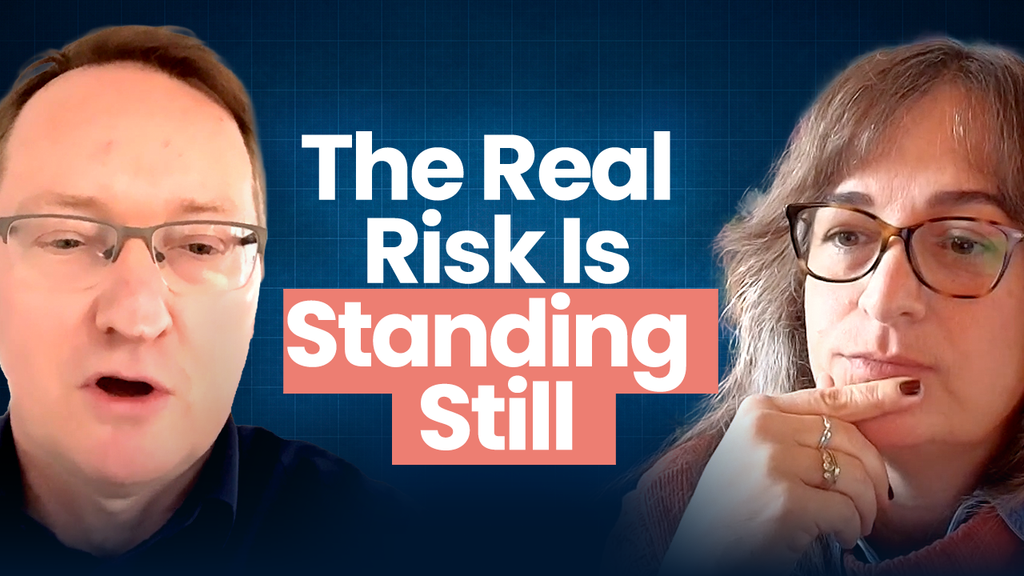
That distinction became the central idea in my recent conversation with Helen Palmer, creator of value(x) hub and the broader Self unLimited approach to working life. Helen argues that value is not a fixed characteristic we accumulate over a career. It is contextual, plural and dynamic. What one employer prizes, another may barely notice. What mattered enormously to us professionally at 35 may matter considerably less at 55.
“Value is in the eye of the beholder,” Helen told me. For experienced professionals, this idea is more challenging than it first appears. It means that having impressive credentials, a senior title, or a long track record does not automatically make our contribution relevant to the next opportunity. It also means we cannot outsource the work of interpreting our experience to employers and expect them to reach the conclusion we hoped for.
One of Helen’s examples during our conversation was simple. A professional might say, “I’m valuable because I’m an accountant.” She responded that being an accountant is a feature of the person’s professional background. The designation itself does not tell us how that person will create value in a particular situation.
I see this mistake constantly in resumes and LinkedIn profiles. Someone leads with CPA, MBA, transformation executive, lawyer, engineer, strategist, or former Big Four partner. These credentials can matter enormously, but only when the audience understands why they matter in this context. A qualification may represent credibility in one hiring process and create confusion in another.
I once worked with a senior client whose early career qualification as a CPA remained an important source of professional pride. He wanted it prominently positioned in an application for a senior operations role. The credential was impressive, but accounting was not what the employer was buying. Overemphasizing it risked positioning him as the wrong kind of candidate. This distinction is becoming more relevant as organizations experiment with skills-based hiring. Harvard Business School researchers Joseph Fuller and Matt Sigelman have pointed out that removing traditional credential requirements from job advertisements has not, by itself, transformed hiring. Employers also need ways to recognize and assess what candidates can actually contribute. The lesson applies equally to candidates. Your career history is the evidence. Your job is to interpret that evidence for the opportunity in front of you.
Helen offered a useful technique she calls the “reverse Q&A.” If “accountant” is the answer, ask: What was the question? If “experienced transformation leader” is the answer, what problem is that experience particularly useful for solving? If “20 years in higher education” is the answer, what capability did those 20 years produce that another organization needs? This forces us away from labels and towards contribution.
Another uncomfortable part of this argument is this: We tend to assume that the work we are proudest of is also the work other people should value most. That is not always true.
Helen described a professional who was exceptionally good at connecting people and building social capital. She considered that ability an important contribution. Her manager did not value it nearly as much. The employee’s frustration came partly from the assumption that because she valued something, her manager should recognize and reward it in the same way.
There are several possible responses to that situation. The employee can explain more clearly how the contribution supports outcomes the manager cares about. She can redirect some effort towards contributions the organization values more. She may decide that relationship-building matters deeply to how she wants to work and continue doing it without expecting recognition. Eventually, she may conclude that the organization is simply a poor fit. What she cannot safely assume is that quality speaks for itself.
This is an important issue for experienced professionals because expertise brings conviction. After decades in a field, we often have strong views about what good work looks like. That professional judgment is part of our career capital. But seniority can also make us less curious about whether the organization, customer, manager, or hiring panel defines value in the same way. I see this frequently when people struggle with performance feedback. They tell me, often with considerable evidence, that they are highly capable. I believe them. But capability is not always the issue. The problem may be that they are investing substantial energy in work they believe should matter while the manager is judging them against something else.
Employment researchers have studied a related phenomenon through the idea of the psychological contract: The unwritten beliefs employees and employers hold about what each side owes the other. A recent systematic review found that when employees perceive those expectations as being breached, their wellbeing suffers. That research helps explain why these situations can become so emotionally charged. We are rarely arguing only about tasks. We are arguing about whether our contribution has been recognized, whether the exchange feels fair and whether the work continues to give us something we value in return.
This was the part of my conversation with Helen that I found particularly useful. She separates value into what we contribute, what we can claim, and what we can create.
In employment, we contribute things such as time, expertise, judgment, energy, relationships, or knowledge. We claim things already offered through the employment agreement: salary, leave, flexibility, development opportunities, or other benefits. Then there is value we may create for ourselves through the experience: new expertise, stronger relationships, credibility, exposure to a new sector, a better lifestyle, or access to work we want to do later.
This produces a much richer career question than, “Is this a good job?”
A role can pay exceptionally well and still represent a poor exchange at a particular stage of life. Another role may offer less status but provide flexibility, autonomy, useful experience and enough income to make it an excellent decision for the next two years.
Experienced professionals sometimes resist this way of thinking because it can feel like stepping backward. If you have spent years pursuing progression, higher compensation and more senior titles, consciously assigning greater value to flexibility or family time can feel suspiciously like a retreat. I do not see it that way.
As careers get longer, the idea that the same things should motivate us for 40 or 50 years becomes increasingly unrealistic. The OECD has been paying particular attention to this issue because longer working lives require more mobility in middle and later career. Its research suggests that well-timed career moves can support longer employment: across OECD countries with available data, a 60-year-old who changed jobs between 45 and 54 was more likely to remain employed than someone who had not changed jobs during those years. Read the OECD report on better career choices for longer working lives
Yet mobility declines considerably with age. The OECD's 2025 Employment Outlook reports that only around 6% of workers aged 45 to 64 change jobs annually, compared with 17% of workers under 30. Longer tenure can build deep expertise, but it can also reduce opportunities for learning through new roles, responsibilities and environments.
This is why reviewing what you currently value matters before a career crisis forces the issue. You may discover that you still want ambition, scale and a large leadership mandate. Good. You may discover that you want to earn well but stop managing 80 people. You may want consulting alongside employment, more international work, greater autonomy, less travel, more intellectual challenge, or enough space to care for someone in your family.
None of these choices automatically represents progress or regression. They represent different exchanges.
Helen uses the term workscape to describe something broader than a conventional career. Her Self unLimited work treats paid employment as one part of a larger collection of productive activity that can also include consulting, volunteering, caregiving, creative work, community involvement, and other forms of contribution. Her book, Self unLimited: A Vocational Adventure for the 21st Century, develops this idea further. I find this idea useful.
I do not think everyone needs a portfolio career, nor should professionals feel pressure to turn every interest into another professional identity. Many people genuinely want one demanding, satisfying job and a personal life that has nothing to do with work. The more useful insight is that one employer does not need to supply every form of value we want from life. That can be liberating for someone who has spent years expecting their job to provide income, status, identity, friendship, intellectual stimulation, purpose, creative expression, recognition, and flexibility at the same time.
Research on job crafting supports the broader principle that employees are not entirely passive recipients of job design. A 2024 longitudinal meta-analysis covering 66 samples found positive relationships between forms of job crafting and a range of work outcomes. Another meta-analysis involving more than 20,000 employees found that changing task and social resources can influence wellbeing and job attitudes, although attempting to craft demands is considerably more complicated.
In plain English, people can sometimes reshape elements of work to improve what they get from it, but personal agency has limits. You can volunteer for a project that builds a new skill. You can invest more deliberately in relationships. You can seek exposure to senior stakeholders or negotiate flexibility. You cannot single-handedly redesign an organization that does not want to change. That distinction matters because career advice can become too individualistic. If the value exchange is chronically poor, the answer is not always to become better at reframing it. Sometimes the rational response is to leave.
Perhaps the most consequential part of becoming more value-literate comes when an established professional wants to change direction. At this point, job titles can become traps. Someone has been a CFO for 12 years, a university executive for 20, a government policy professional for 25, or a marketing director throughout an entire industry cycle. Their identity and their market positioning gradually merge with the title. Then they want something different.
Helen deliberately developed the idea of a workscape partly to loosen this connection between identity and role. During our conversation, she described thinking of herself less as “Helen the change manager” and more through the thread running through different periods of her work: helping people learn so something different becomes possible.
That is not merely a nicer piece of personal branding. It represents a different level of abstraction. When someone tells me they want to move outside their industry, I am rarely trying to erase 20 years of sector experience. I am trying to identify what those 20 years have taught them to do unusually well, then determine who else has a problem that requires that capability.
A higher education leader may actually be excellent at operating in politically complex stakeholder environments. A finance executive may have developed unusual capability in enterprise transformation. A corporate affairs leader may be exceptionally good at building consensus when commercial and government interests conflict. Those are very different propositions from “I have 20 years in universities,” “I am a CPA,” or “I am a communications executive.”
Helen made the point directly during our discussion: “If you just leave other people to figure out the narrative, they will come up with something that probably won't serve you.” That sentence should probably sit above every experienced job seeker’s desk.
For someone considering a new role or questioning what comes next, I would start with a short audit rather than another round of job searching. Look first at what you currently contribute. Go beyond your title. Consider judgment, expertise, credibility, relationships, pattern recognition, problem-solving, access, leadership, technical skill, calm under pressure, and the ability to make things happen through other people.
Then ask what you currently want to receive or create from work. Salary matters, of course. So might flexibility, authority, intellectual stimulation, security, learning, belonging, autonomy, purpose, location, time, influence, or the opportunity to build something you can later take elsewhere.
Finally, test the assumptions. Which elements matter because you genuinely want them now? Which mattered ten years ago? Which have you inherited from the culture of your profession, your family or your previous employer? Which forms of contribution do you love giving even if nobody particularly rewards them?
Helen recommends treating this assessment as time-bound rather than permanent. Her Value Exchange Ledger encourages people to examine what they want to contribute, claim and create in a particular period and context. That temporal element is important.
A career decision does not have to answer the question, “What should I do with the rest of my life?”
Sometimes it only needs to answer, “What is a good exchange for the person I am now, over the next 12 or 24 months?”
For professionals in their 40s, 50s, and 60s, one final challenge remains in this conversation. Changing what we value can make us question previous choices. If the title that once mattered no longer matters, was all that ambition misguided? If we want less responsibility now, were the years pursuing bigger leadership roles wasted? If we want to move sectors, was all that specialist expertise a sunk cost?
I don't think so. A career doesn't have to remain internally consistent to be worthwhile. Something can have been valuable at 35 and no longer represent the exchange we want at 55. A demanding role can create skills, relationships, income and confidence that later give us permission to make a very different choice. The mistake is assuming that because a form of work was once valuable, we are obliged to keep valuing it.
Helen ended our conversation by encouraging listeners to challenge the idea that their value is one fixed thing. Her language was characteristically visual: “Break that egg.” Take apart the singular story you have been carrying about how you are valuable and become curious about what else might be there.
For experienced professionals, that is important career work. Your qualifications matter. Your reputation matters. Your accumulated experience matters. But none of them has a fixed exchange rate.
The more useful question is not simply, What have I achieved?
It is: Given the person I am now, the contribution I can make, the situation in front of me, and what I want from this stage of my life, where is that experience most valuable next?
That is a question worth revisiting throughout a long career.

Helen Palmer helps people learn so something different is possible.
She’s an experience designer of learning and change experiences in organisational contexts, a fiercely curious sense-maker, and a self-described professional Swiss Army knife.
Through value(x) hub, Helen explores something hiding in plain sight: value. What we contribute. What we seek. What we create together. And how becoming more fluent in value can change conversations, choices and workscapes.
Her decades of cross-disciplinary experience have left her with a particular knack: taking an interesting idea, turning it around a few times, and making it into something practical that people can actually use. Because insight is nice but she wants to catalyse actual meaningful change.
When not working she indulges in playful experiences with an ex-racing greyhound named Roo, documenting family history (with a whakapapa that spans 21 generations), dabbling with the Japanese craft of origami, losing herself in the cultural ‘scapes in science fiction, and — like three generations of ancestors — sometimes composing a poem or two.

Hello, I’m Renata Bernarde, the Host of The Job Hunting Podcast. I’m also an executive coach, job hunting expert, and career strategist. I teach professionals (corporate, non-profit, and public) the steps and frameworks to help them find great jobs, change, and advance their careers with confidence and less stress.
If you are an ambitious professional who is keen to develop a robust career plan, if you are looking to find your next job or promotion, or if you want to keep a finger on the pulse of the job market so that when you are ready, and an opportunity arises, you can hit the ground running, then this podcast is for you.
Renata Bernarde
Helen, we’ve known each other for over 20 years now.
So you give me a lot of feedback about the work that I do. You always write back. I remember at the beginning of our friendship, working together, you were always so supportive of me. And I will never forget that, when you told me I should apply for jobs, which I didn’t get, but you still, put me forward for opportunities and, did such great work with my team, when you stepped in. I really value that, and I’m so grateful that after twenty years we’re still here. Look at us. Yeah, thank you. I really wanted to think
Helen Palmer
Indeed, indeed. And it’d be an interesting thing and maybe we pick this up in the conversation when you said I value that, often people will say that, but they’re not really clear on what are the forms of value such that I might perceive of what that form of value is, but it could be very different from what you perceive what was valuable about it.
Renata Bernarde
Mm, when you met me, I had been in Australia for only five years. So having somebody who was advocating for me, but also supporting me when I had just started in a leadership position. It was my first time managing a team. And it was really it was a really steep learning curve. I was not hired to manage the team. It just happened, you know, that
My manager had to leave for health reasons and I stepped up and all of a sudden I had a team of I don’t know five, six people and I really needed help. So you came in and you provided that amazing conceptualization of the work that we needed to do at the time and how we organized ourselves. And it was so invaluable, the information that you shared with me. And it stayed with me, that the way of thinking that you provided at the time. And that’why I wanted to introduce my listeners to you because I always enjoy talking to you. Every time we sit down to talk, I learn something.
Helen Palmer
This note.
Renata Bernarde
Yeah, thank you. And I think today, we sort of went back and forth about the topics and I was maybe, because I’m out of the loop about what you’re doing, I kind of overindexed in some things and then we went back to something that felt more natural. Both of us. And it’this thing about the value, I mean, our value is constantly evolving and many people listening I think will understand that even though they’re experienced professionals who have a lot of things that they’ve done in their careers, they still have trouble describing their value. And I feel that over time, if you’re not reflecting and doing the work around understanding it, it becomes harder rather than easier to talk about your value. So I think that if we can start, Helen, with what you have been exploring, which is this idea of becoming value literate. What do you mean by that? And why do you think so many people that are so capable aren’t good at recognizing or describing their own value.
Helen Palmer
Gonna start with just a for clarification because when people hear that word value they suddenly have something jump into their mind and if I then explain it they’re gonna keep that other thing in mind as a way of understanding what’going on. So it’often confused between values and value. So this is not a conversation about values. Values are things that are tied to your identity, a sense of your way of orientating to the world, of what you think’important, of who you are and how others should be. Things like honesty and integrity, accountability is one of those ones that can kind of cross over both ways. But that’very much static stuff that kind of is quite it can be multifaceted, but it started from your younger years, was formed with your family, and is probably gonna stay in a fairly narrow sphere of what that is through your life. Whereas value is much more multifaceted. So you were using the word value, like what is my value? Which almost sounds like it’a singular thing. It’not. Your value is a multifaceted, plural thing that is actually dependent on context. Highly dynamic. So the value that you would get when you started working maybe when you’re 19 in your early 20s, could be very, very different than the value that you are getting and making today. And we kind of understand, sure, over time things change. However, this afternoon you could be going and doing some work with a volunteer, maybe with the Red Cross, and this morning you have been doing some care with your family, and tomorrow you’re going to be working in your job. Each of those three contexts how with the value exchange Could be very different. So you’re the same person, but three different contexts create a different sense of what the value is. And I talk about value literacy in two aspects. There’a vocabulary of value elements or forms of value, and we aren’t very literate in what is that vocabulary. We’ll just kind of throw out things like, you’re very valuable. In what? How? And we don’t have a vocabulary to say beyond that. And in some sense, the value that happens when you are working is well, I agreed that the organization could have some of my time, could have some of my expertise, and they would give me money. And that’the value exchange at work. And in my experience, that’nobody’value exchange. It’a very superficial level of a perception of what’given and what’gained in that value exchange. And this partly comes to the next part of there being a literacy is having a grammar. So what are the things that are going on with value? And I talk about it being value that you can contribute. So that’value that I have under my control. So my time is under my control. My expertise is under my control. And I might decide. What to contribute, how much to contribute and where to contribute it. On the other side of the value exchange, the grammar has two verbs. There is value I might claim, and value I might create or co-create. So on the other side then it’when I’m in a working situation, money is something I get to claim because the organization said, look, we will value you for your time and expertise for the sum that we put in your contract. It might also be that in your contract there’some other things in there. Well we will show you value by giving you these benefits and some professional development. And they are things that the organization has already decided to offer you and you’re entitled to them. So you can simply claim them. But there’other value that is within your desire, maybe not but even their desire, that you might create for yourself simply because you’re going to take the leadership role in creating it. Or you might co-create by having an agreement with your peers or with your manager about how that value might be created. And I’m being specific here in that value is what’created for you. That’not value that you’re creating for the customer or for the organization. That’a different value exchange. So I’ll just summarize there a couple of ideas about being value literate is that there’value elements that come in a vocabulary, and then there’a value grammar that comes in contribute, claim, and create. That’how that value might move. Has that helped put it in a bit of context for you?
Renata Bernarde
You’re so good at this. Just like you open the Pandora’box and I have so many questions. Let’dive
Helen Palmer
Wonderful. Let’dive in. Let’find what’valuable in it.
Renata Bernarde
In. The first thing I need to ask you is about the difference between the value you create for your employer and the value created for you. Can you
Give me an example so that myself and my listeners can understand what the difference is?
Helen Palmer
Sure. So I might decide in coming to work for, let’call the organization ACME, that they get to have my expertise in change management. And I’m thinking, yes, but while I’ve got this job, one of the things that really attracted me to it was that I could get experience in a different kind of project that I’ve never worked on before. So that’going to be valuable to me. To have that experience. That’something that they can help me create. Now, it’not a case of that I walk in and say, you need to give me this experience. It’I have a desire for that experience to be created for me. Now they might have no desire to help me create the experience in that project. They just want me to do my job. So it’only creation if I’m taking responsibility for it and nobody else needs to do anything about it, which might look like Me when an opportunity comes up to speak at a conference, I might be about it. I’m like, okay, I’m gonna figure this all out and make some time and put aside so that I can have the stories that I’m gonna tell that speak to my experience. It might simply be that there was an opportunity in a project to be on a committee or not be on a committee, but I decide, no, no, no, I’m gonna take that opportunity because being on that committee will extend my experience maybe in working with senior stakeholders. It was not required by the job. But I saw it as a way to build and extend my experience and so my experience could be valuable. Now my employer may think that’valuable experience, but this is something I can take away and keep within my control. When I leave this job, it does not stay with the employer; it goes with me. So it’something I’m
Making for me. Now The organization might think, well, actually, while you’re here, something we want you to create for us, which is something that kind of gets left behind and you don’t take with us, might be capability, organizational capability and change management. And that might look like, well, we want you to create some processes for us, some tools to build a toolkit around it. And so that working on that may be a two-for-one. It might be that you get some experience, you get to tell a great story about how you built change capability. But at the same time you’re building capability, which is something they required, asked for, or valued, and then you’re working on that as something that will stay with them as value.
Renata Bernarde
Hmm. It’basically considering your way of life, not just career, because you also mentioned examples
With volunteering and and caring for family in sort of a microeconomics framework, right? Is that what you’re suggesting that you sort of need to understand why is it that I’m spending my time doing this? What is the value that I’m Taking out of this for me. And in you’re also giving value. So you might be there because you’re a change manager and they need your expertise, but you’re also there for your own benefit. It made me think of that sort of selfish selflessness theory where you give but you also take, and that is the combination that is fulfilling and purposeful. Am I sort of on track here or would you have something else to add?
Helen Palmer
Yes, you are. There is a tension when I talk about the notion of value exchange that people could see it merely as a transaction. And I think There are some things that we do exchange in life that could be seen as a transaction. Like at the very basic in nature, trees are giving off oxygen. I take that in as a human being. I’m giving off carbon dioxide. Trees are taking that in. So in nature, we have these things where exchanges are going on that are mutually beneficial and in a symbiotic kind of way. So if you hold that sense of exchange in your mind rather than I paid for something and I got Which is one form of exchange in a market. And so with my thinking around value literacy, I’ve taken the idea of a value exchange and borrowing a value exchange ledger, which is slightly problematic because there are forms of value that are not financial. However, as a society, we have become very tied, particularly in the to the 21st century, in value has some financial measure associated with it and some financial activity and behaviour about how we do it. So I would say that there’really no point where we are selfless in doing something. Because if you’re doing something, it might be not because you’re gonna gain something, but you get to contribute it. Like I’m doing this because it just makes me joyful. Okay, well I’m getting something out of it. Or I’m doing this because I have a desire to create a legacy or have an impact in the world. Now that doesn’t mean the other person has to do something or create something to give it back to me. There’just a sense of there’a reason why I’m doing this. And it and I think I Would challenge your listeners if they went through, no, no, I’m really selfless on this. It’like, yeah, dig into there. What is that form of value? There probably is some form of value where it might be this will get me more experience, or this will give me a learning opportunity, or I’ll build a new relationship. There is always some form of value being created by what you contribute, whether or not it’even I mean it might might return back in some value that you create for yourself, but some jobs people do more because they want to contribute. Something rather than they want to create something. And that’a tricky one because when I hear sometimes in organizations people say, they didn’t value me there. And if you dig down into it, it turns out it’not about that they got something. It was they were contributing something that they felt very motivated to contribute and nobody was valuing it. And so I’ll give you example. There was a woman that I was working with who said to me, Helen, I can’t understand it. I’m so good at building connections and creating social capital. My boss just does not see it. He doesn’t value it. And I happened to know who the boss was, and I knew where his headspace was at and what he thought was valuable. And I could absolutely see he didn’t think this was valuable. And he was doing nothing to reward her, compensate her, affirm her that she was doing something he would find valuable. Because that brings in a Another idea too. Values in the eye of the beholder. She thought social capital was valuable, and it can be, it has the potential to be. He didn’t think social capital was valuable. Now, is that just at this point in time because he’never thought social capital was valuable? Or in this context, he doesn’t find social capital value, or he’never considered because that’not a vocabulary element. Value element in his mindset at all. And if she articulated to him, hey, do you see these activities I’m doing? That’creating the value of social capital for your business. He might go, you’re right. Thank you so much. And it can be just that he did it’ignorance, pure ignorance of that’going on. Or it could be that
He kind of saw it, but he’like, Yeah, that’not actually what I need you to be doing. I’ve got some other things
That you could be contributing value from your collection of value items or elements that would be of greater value to me. And so one of the pieces of advice I gave her is you’ve got a couple of options here. Either don’t contribute it because he doesn’t value it. I knew from her it’like this is just the way I live and breathe, Helen. I make connections. This is I it’important to me to be doing this and contributors. Okay, great. We’ll keep doing it. Now you’ve got a few more options. Do you want to tell him about it? And if you articulate it, he might realize and have a realization. And this is an education moment for him. Or you decide he’not going to value it at all. Okay, so if it’important for me to feel valued, is there something else in my repertoire I could offer that would be valuable? Or And so therefore I will have alignment with him because he’ll get something that’valuable and I’ll get the affirmation that I’m giving him something that’valuable. Or do I just decide actually it doesn’t matter whether he values it or not? It’so much the way I want to show up in the world, that is value I want to contribute. And I’m gonna take the impost off he and others should value for me about it. Because it’just not gonna happen.
Renata Bernarde
Yeah, yeah.
Helen Palmer
And so it reduced her anxiety and it what it actually happened to be the case is he kind of valued it a bit, but not enough for it to be anything significant. So she decided for herself, actually that’just something about who I am. And it’there is a sort of a crossover here maybe in values. How she saw herself was is a very caring, compassionate, connecting person. So she would almost create social capital value everywhere she went and every exchange she went. And so starting to understand that’just part of how I roll and what I want to do and that’okay. Do not put the impost on others to actually value that about what I’m doing.
Renata Bernarde
I love that. I’m gonna use this way of explaining things with my clients. If you translate that into different ways that the listeners might be able to use, one great way is when you’re putting together a job application. You know, what you
Have valued in your career doesn’t necessarily translate to what the readership of your job application values
For this job. So there might there might be a lot of correlation between what you’ve done in your career and what they value, but it may not be exactly what you think it is, or what you really want to show off. So for example, I was working with a client a while back and he was a CPA and he wanted to showcase that right you know, at the center of his job application, right at the first page. And I’m like, well, they might misunderstand you because they don’t need an accountant. Even though you know that’how you started your career, that’not the job that you’re applying for anymore. This is more of an operations role. So you they might misinterpret that highly valued accreditation that you have by saying, okay, that’highly valued, but we don’t value it here. We don’t need that here. So it’really interesting in that context. But I also think it will be very helpful to me as a coach to use this way of explaining it when I’m working with clients that are going through performance management issues, leadership
Development, you know, executive coaching that I do from time to time because Usually they are all fantastic, amazing, experienced professionals, and they’re
Still struggling in the workplace with their bosses, with their peers, with their performance. And it’you it usually has to do with what they value versus what the actual job requires them to do and is you know and the expectations of the team or the manager and what they value instead of what you think is the DNA. Of that job. So it’so interesting. I love that. Uh-huh.
Helen Palmer
Can see I can see two elements coming out of that. People will think, you know, I’m valuable because I’m an accountant. No, an accountant is a feature of who you are. There’no value inherently in that statement. So one of the things that I often use is a little technique I call the reverse QA. So if you think, so if an accountant was the answer, what was the question? And that gets back to a couple of things. When you have to form a question, you’re forming up something that opens up a space for exploration rather than shutting something down as if or you’ve made a conclusion. So for example, I was working with a team of people and they were getting so frustrated because they’d only been on the job three weeks and the project manager kept saying, I need a report and I need a plan of what you’re gonna be doing over the next six months. And they came to me and said, Helen, you need to stop him coming to us because we don’t know what we’re going to be doing for the next six months. We’re still figuring out what’going on. And hit but yet this project manager was doubling down, I need a report, I need a report, and I need a plan for the next six months. So I said to them, using this little technique, so if a report and a plan for the next six months was the answer, what was the question? And they went, so to know what we should be doing or what the priority was. Okay. So could we answer that question in another way? That’not what he’asking for as a report and a plan. And they went, yeah, we could. And it’like ’cause what we valued was a set and we were able to unpack it because value elements are a bit abstract. What he valued was order. What he valued was confidence in the team. What he valued was a sense that he had his back covered or his bases covered because he was going to be reporting to senior people and he didn’t want to be looking stupid in the sense of I don’t know what’going on. He wanted some information to be able to share with them to manage their expectations. All of those things were not what he said he was asking for. He was asking for a report or in a plan. And sometimes when people
Are asking for something, the words they use are a proxy for forms of value and one of the skills I would and challenge your listeners to be thinking about is how good am I at articulating value but also how good am I at discerning value so when you’ve got somebody saying they were looking for an operations manager and in your mind you’re going I can immediately see how I fit that in terms of at the feature level but if you said so why do they want an operations manager but you asked it in a way that helped you discern the value That their operations manager was a proxy for, then you could turn around and go, okay, I actually have something that’possibly not in my resume, two experiences that may have come from somewhere else in my workscape, maybe something I did do with volunteering for the Red Cross. And when I was handling my elderly parents’ paperwork in terms of dealing with getting them certain, I don’t know, grants, subsidies or something for a health issue, all of that are forms where I created a form of value that actually links to what they are seeking. And it’not on my traditional resume because my resume is just showing things that I did or titles that I had and features around those titles I had. Getting to that understanding of who I am is a proposition of value for a particular situation. And sometimes people think, I hear you, Helen, value proposition statement. I can write my value proposition statement. And often it would probably go something like, I’m an accountant who can do X, Y, and Z. That’not a proposition statement. For a value proposition statement to be meaningful, you have to have a sense of who’my audience for this statement? What’the context for them? What’valuable to them okay from my repertoire of things I’ve done seen and even things I can do that I might not have done in the past and that’an interesting one I have the potential to create that value even if I’ve never done it before because I can mix certain skills but if I frame it in a sense that and that’how it will be valuable to you or how I can create the value that you’re looking for or even just contribute that value into the mix because we’re not even quite sure where we’re going to go because things are maybe emergent that’a very different conversation to be Having and a different headspace to be in, then here’my resume of things I’ve done. This is the title you’re looking for. Can we kind of match it up?
Renata Bernarde
Yeah. Was just thinking here, this is not always the case, everybody. I know you’re listening here and I want to just put this disclaimer out there, but I sometimes have found that when people come to me after months of job searching, right, and not being able to convert even from job application to an interview. And they come to me and they are really struggling with their confidence, with their understanding of, you know, their value to the workforce and to the job market. I sometimes think, but do you still value the work that you’re applying for? You know? And
Helen Palmer
Mm. Yeah.
Renata Bernarde
And I find that is you if you think about because job searching is a lonely pursuit, right? So if you’re thinking about it from the recruiter’perspective, where there will be somebody applying for this same job who highly, highly values the type of work. That they are applying for. They really, you know, they have this sense of purpose about the organization or the job or something specific about the role that really attracts them. And sometimes when that happens, it’not always, you know, when when a client of mine thing tells me, I just saw this job and wow, you know, we need to apply for it now. And I can see it too because I, you know, I know the client, I know what they’re pursuing. So It’very rare that we don’t convert when these things align,
Helen Palmer
Hmm.
Renata Bernarde
Right? When I say convert is going from job application to an interview, interview to final stages. I mean if they get the job or not is another is another conversation. But it’very rare for you not to convert when all the values are aligned and when you can showcase that to the audience that you’re trying to impress. But I find that sometimes, especially as the times goes by And then you become more anxious and desperate for a job, you start applying for any job that you value even less than the job that you actually want. You know, I’m just going to apply for this more junior position or this organization or that is not even in my town. I don’t want to move, but I will apply anyway. So you start really diminishing the value of the job applications that you’re doing, which then affects your energy. In the way that you engage with that process. What do you think makes it harder for people to access that value literacy?
Helen Palmer
So the examples that you were giving there, we can sometimes weigh too put too much weight on certain forms of value. Like people will be telling us you should have passion for a job. And I would say, there may be a place in your workscape, and maybe I just need to explain workscape for your listeners. So I hold the idea
Renata Bernarde
Yes, please do.
Helen Palmer
That my workscape is a broad space that I inhabit. In that workscape is many work-like things. So my employment to an organization is one part of that workscape. I might simultaneously be doing coaching the kids’ soccer team. I might simultaneously occasionally do red blood donation at the Red Cross. I might simultaneously be caring for an elderly parent. I might simultaneously have a little bit of a hobby and occasionally I make jewelry and I sell it at the markets at the weekend. All of those are coexisting in my workscape of places where value can be contributed and created. My job does not have to be the only place that I contribute value and create it. It may be that there is a job that for certain reasons, because of where my parents and children are in their lives, I might make a bit of a deal with myself, and this is where it also gets a conversation with your family, that the value exchange in the job is not going to have passion coming my way. And that’okay. And you could say, look, if passion’really important and that I get to contribute it or I get to create experiences that are really deeply meaningful me for me, is that right for this portion of my workscape at this point in time? Because there might be other things that go up the list. Now that’not to say, I’m less of a person or I’ve changed my identity. That’just a realistic consideration of where I’m at and what would be valuable to contribute and get. And if you got to the point where you thought, I might in this situation not be able to create so much value for myself, I get to contribute the things that I want. Or it might be that right now the most valuable thing I need out of this is flexible working arrangements. And for that, I’ll take a hit on not getting as much money as I want. I’ll take a hit and not having my values aligned. Because look, every job or every piece of your workscape does not have to have values alignment. And I’m talking about the values here in honesty, integrity. But there may be some times we think, no, I’ve made a personal choice that I’m never going to work for a tobacco company because that speaks something to my values. That’a non-controversial one. But it might be if some work came up and it was in the financial field and I’ve thought, hmm, not ideally that I want to work in the financial field, but hey, right now, if I can get flexible working arrangements at a level of money that will help with what’going on in the family, that may be a value exchange I can live with. That’not to say there has to be the value exchange I live with for every job going on. It might be just for a period of time. So I would very much encourage that kind of consideration because part of value literacy is about bringing down the emotional impost on things having to be some kind of ideal form. And this is where some of that market microeconomics might come in. There are trade-offs. Now, if it’the case that right now in your life, you’re like, I really do need something that feels meaningful and passionate, and particularly if you don’t even have a job because you’re looking. I don’t have to go, well, game over. Can’t do anything meaningful I’m until I’m an employment relationship. It’like, well, could I find another place in my workscape? Maybe I will create something where I’ll give some pro bono time or mentor somebody and can from that piece of my workscape, can I get the value part of the value exchange of what I can contribute or what I can create? So I’ve gone a little bit tangential from where you were asking. Do you want to bring me back to the original question or do you want to take something from that?
Renata Bernarde
No, I think in many ways you have explained it because the explaining workscape i is a way of applying values in different ways. You know, applying your value in in different ways within that workscape and not being so caught up in the value you’re providing the employer, you know, like if and not really being so linear in how you explain or or think about your career anyway, which I think is really necessary now more than ever to think about a career as a workscape. When I say now, not just because we’re in 2026 and it seems like the world is becoming more accepting and also requiring even you know the the portfolio career concept but also because I think when you get to our age, I mean I’m in my fifties, you I’m assuming you’re in
Helen Palmer
Yep, yes, yep.
Renata Bernarde
The fifth, our values change. You know, our the what we want to contribute and what we want to get out of work changes
Helen Palmer
Yes, yes, yeah.
Renata Bernarde
A lot. And sometimes the change At any age, in fact. It doesn’t really matter how old you are. But I think it’more so at this stage in life where it can be quite tectonic. Like one day you value something, the next day you value something else. Last week I sent a newsletter out. I don’t know if you still get it, Helen, but it was talking about it was so bizarre. I’m being quite more I don’t know what happened to me, maybe it’because I’m in my fifties, but I’m being more open in my newsletters, you know, talking about family and stuff like that. And I spoke about Teddy, my grandson, and I said, look, it I did not value a few things five months ago that I value now. And these are this is really
Helen Palmer
Circumstance has changed. This is the thing that is circumstantial. That’why I say value is very dynamic. And people think, well,
Renata Bernarde
Yes. Yes.
Helen Palmer
You know, this is my value proposition. This is the value I contribute in a job. This is the value I get. And I think, no, no, no. At this moment in time, for this circumstance, this is the value I contribute. This is the value I get. And so one of the methods I have is about creating the value exchange ledger. And I’m very clear to people, when you’re creating that, time box it. Think what’the value exchange I want for the next three months or the next six months?
Renata Bernarde
Hmm.
Helen Palmer
You’re not creating a singular value exchange that’gonna cover every situation in all of your life. And then as I mentioned a little bit before, it might be that you need to have this conversation with your partner. So the value exchange
In terms of what you contribute and what you get out of it is connected to the significant others around you. And if you’re like, okay, well, what I’m finding right now is because there’a grandson in my life, I actually think it’important that I want to be available for this person. So previously where I was offering 60 hours of my time to my job, I’m pulling back on that and I’m only going to offer the 40 hours that’required because I want some of that time to now to go another place
Renata Bernarde
Exactly.
Helen Palmer
In my workscape. What that might mean is also from a creation or a claiming point of view, my organization says I’m entitled to flexible working arrangements. I’m going to claim some of that, thank you, for the next three months because maybe my son or daughter-in-law is having a difficult time. So I’m going to step in more intentionally for the next three months. That’not a permanent thing, it’just for the three months. And at three months, I’ll then stop and I’ll re-evaluate what is the new value exchange ledger I want to create because it’an emerging, evolving thing. And when you you were asking before
Even like the, you know, somebody going through the different phases of looking for jobs, whether it’even just the journey of one job in particular or all jobs, your sense of what’valuable will be shifting. You’ll be discerning different things because sometimes we can struggle to articulate what actually is valuable about something. And until something’presented to us and we experience it, we’re kind of like, yeah, nah. Not at all. Or you experienced it for a few weeks and that was actually all you needed from it. And now it’done its job
Renata Bernarde
Hmm, yeah.
Helen Palmer
And you can move on to something else that you want to contribute or you want to get. So this sense of it having an impermanence and it being something dynamic that can change also can take the pressure off people. It’like, but I’m supposed to have made a decision and have it clear and that’it for the future. And it’why I talk about value literacy in that sense of it’a something that you’re developing to keep using over and over again. It’not a I just used that tool and that thinking once and I’m gonna now. It’like no, can I actually reuse that literacy of the vocabulary and that grammar for another situation? And then can I do it again? And can I do it again? And I get to the point now, for me, if I’m weighing up, it might even be: should I do this podcast with Renata? Okay. So what’the value exchange? Why?
Renata Bernarde
And you did reconsider it, didn’t you? You wanted it and you didn’t and you know. So you were valuing the opportunity.
Helen Palmer
Well, Well, part of it was not so much would I get something different out of it. It was I had an idea of what was valuable to contribute. And I you had an idea of what was valuable for me to contribute. And I was kind of thinking, are they aligning? And could I be valuable to Renata by contributing what she’seeking from me to contribute? I also understood with you that there’an element where we’ve got some flexibility. We have this trust in this relationship that we could figure it out and find something where there could Be a mutual contribution of value. What’also was going on for me is that in my whole environment, I’ve just moved countries, set up a new house, a new lifestyle. What value I might have on hand to do for things is a bit more constrained. And so part of me was like, I want to bring my full mindset and cognition and energy and heart to this conversation. Hmm, is now the right time.
Renata Bernarde
Yeah. But it’great because this is
Helen Palmer
Can I actually do this? It’not to say I wouldn’t do it in the future.
Renata Bernarde
Yeah. It’a great way to assess opportunities and what to say yes and no to, right? Because
Helen Palmer
Yeah. Absolutely.
Renata Bernarde
Sometimes we say the yes to things because they’re in the future, but we don’t actually value it. And then we resent it when they’re actually about to happen. Have you noticed that? Like we just
Helen Palmer
Yes. Yes.
Renata Bernarde
Bump it to the future and say, Okay, I’ll do that in the future two weeks from now and then the time comes and you think, why did I say yes to that? You know, it’that value proposition that you’re you are using to assess yes. Yeah.
Helen Palmer
Even getting clear on it because I think some people have this vague sense of that might be valuable and they kind of have this sense of I can defer that to the future and I think but you haven’t made a decision if it’valuable. Even if you said it’valuable, can you articulate how it’valuable? Do you know what it’valuable in terms of what you’re contributing into it? And is that okay right now to contribute that? Because it might be that you’re like in a very vague sense of yes, I’ll contribute. And then it gets to the time and it actually turns out that needs more time from me than I am actually willing to contribute. But I never actually stopped and considered, hang on, how much is in my time bucket? ‘Cause it’a l we’ve all only got a hundred and sixty eight hours in a week. So did I actually not stop and consider that I don’t have the time or I don’t have the energy because I deferred it to the future. And that’part of that value literacy is could you actually do when a decision comes to you, rather than just saying, I it’when they say it’think it’valuable, it’almost like I’m vaguely imagining it’valuable, but I’m not taking the time to contemplate whether it’valuable. Because if I could, then I should be able to articulate what I’d be contributing, what I’d be creating or claiming from it. And am I okay with it? Now sometimes it actually needs to be an agreement with the other person because I might have thought, this is what I’m gonna get out of this in terms of Renata. But she might not be you might not be thinking. Well, that’what I was actually I wasn’t thinking I would co-create that with you, Helen. So it gets into this interesting thing from a relationship point of view. Did we have an agreement on what was needed? Now, you and I could be very, very loose on that beginning between the nature of the relationship we have, but I think a lot of times people, that issue they have of wishing they were not doing this, is because there was no clarity in the agreement. And as time has gone by, you’re maybe getting a sense that other person’wanting something from me I wasn’t willing to give. But it’almost like I gave them a blank check. That we would have a value exchange, but I don’t know what I was clear in my mind I would contribute or I would claim or create. And therefore they are filling in their own version of what I’m going to contribute and create. And now I’m stuck in this position of maybe we’re closer to the date where we’ve got to kind of talk that through. And now it’feeling very awkward.
Renata Bernarde
Yeah. And the other thing that I think is interesting to talk about, Helen, is this idea again with people our age where we might get to a stage where our professional identity becomes attached to titles,
To employers that we’ve had in the past, to industry that we’ve worked in. And it becomes maybe harder to separate those metrics or that status quo from the things we actually value now.
And that sense of sometimes even fear or Awkwardness or even shame of wanting
Something completely different, you know, the the sunk cost of a career that has been built, and then suddenly you do not value those things anymore. Have you actually encountered or or worked with people like that and
How do they get through it?
Helen Palmer
Well, I’m one of those people myself. And so one of the with the
Renata Bernarde
Okay. Awesome. Tell us.
Helen Palmer
Idea of the workscape, I intentionally created that phrase to be able to reject the word career. Because I wanted to have the possibility that at any moment in my workscape, there might be simultaneously different gigs or things going on. So that helped in the moment of like my identity is not simply, “Helen is a change manager.” It might be Helen is a person who helps people through change. She’doing it here with the soccer team. She’doing it here with the blood drive. She’doing it here in a different form and working in a job as a change manager. So kind of abstracting what I am away from a title and seeing the threads of the Other things that might be in my current workscape. The notion of a workscape is it can also have breadth. That’I kind of think in some ways that’a depth, all of these things simultaneously going on at this point in time, but it can have a breadth. So my workscape opened when I was 17 years of age and had my first full-time job. I’m expecting my workscape to close maybe about 95. So there’no room in here for this sense of retirement because it’any time that I’m doing anything with my adult agency and making choices about what I get involved in. And within that, I think of workscape having different eras. So there was an era in my twenties when I was doing administrative-type work. Now there was a moment where that got to shift greatly because I didn’t go to university and do my undergraduate study until I was 25 years of age. And so then I got an undergraduate degree. Which now opened up a different era in terms of the things that I might do. It happened to be that the first year out of university, I was in Japan teaching English in a Japanese high school. Now people might go, so Helen, you were starting your career teaching. That’where you were going. And for me, I did the teaching for a year. It’like that was an experience I got to have. And after that year, I was done with it. What I wanted to get out of it had been achieved. And that’been a very key realization for me as I’ve gone through my working life is to think ‘Cause if you looked back, somebody might go, Helen, you don’t really seem to stay in jobs more than about two or three years. Are you are you a person who gets easily bored? And it’not that. What I’ve come to appreciate is the value that I wanted to contribute and create at the point I started the job, had some clarity, and then it was done. I got to contribute what I wanted to contribute, I got to create what I wanted to create. And then and in fact you’re very aware of where I was in one of those roles and I was having a moment and people saying, But Helen, you’re so valuable. You should Stay here. And in my mind, it’like, well, I could, but there’nothing more that I want to contribute in this role or create for myself. I could stay inside this organization, if we could talk and figure out another opportunity where I might create a new value exchange about what I wanted to contribute and create, well, then maybe I would stay. But there wasn’t such a thing, and so I left. So I see that whether it’within an era. That might mean wrapping a few things together that might be thematically together. Like there was the business analyst era of Helen, which might have been followed by the change management era of Helen, which was followed by the running my own business era of Helen. And even within that, I can move between hang hang on. Do you work for yourself, Helen, or are you employed by somebody else? Because we have such very odd distinctions about what work is. And so for me, I can move fluidly between these things because each of them is like a self-contained gig in what my sense of value that I wanted to contribute and get out of it. And so my identity becomes more connected to the value proposition of the moment than to the statement, “I am a change manager.” And so if you were to
Look at my LinkedIn profile now, you know, they want you to put in that headline something that’kind of like a title and a nice phrase that is like this This phrase, this word title hooks everything of me together. Mine, which took a few years to develop, says I help people learn, so something different is possible. And that is a thread that I can see weaves together every era of Helen. Now if people go Yeah, but what does that actually mean? Well, then I might pick up and tell a story, depending on who they are and what situation of how that actually comes together. And it comes from a thinking of like, I don’t have a career and everything was not simply a step leading to another step. So it’a mindset shift. And sometimes a practical thing that people can do is maybe look back across their life. Is there a way that they can chunk it into errors and see where there may have been a transition point where they pivoted? And rather than seeing that transition. Point of I got to the next step on the ladder as if I was going upwards. It’still it just moved me into a different space. And within this space,
Maybe there was some growing or going up a ladder or hierarchy, but then that space might come and bring it to a close. So here’where some personal change management might come in of thinking actually I need to take a bit of a moment to honour that I was being this for a while and that’what my identity was and I’m gonna find a way to draw it to a close. Maybe there’even some grieving that I need to do to say it’no longer that. Okay, what seeds from that will sow the next era? And what things that I might pull across.
Renata Bernarde
Mm. Helen, I don’t know if anyone has ever said this to you, but it’a very postmodern way of thinking about the work you do. You know? And I think that it’like I said, I think it’very trending at the moment. And I think it’very important for us to think about the way that you think about work. I mean they can choose. Maybe they what they want is a linear career and they’re still ambitious for senior roles and all of that. And that’totally fine. But I see a lot of people who thought that they were very ambitious and wanted a linear career and wanted the senior roles and then realize that was not really what they valued. It was maybe their parents’ value. It was maybe the value that they had in their twenties, but not in their forties. So
Helen Palmer
Is changing so it’even ridiculous to think. Yeah.
Renata Bernarde
Yeah, you just kind of conceptualize it. You conceptualized a a way of thinking differently about career that I really like. Well done. If yeah.
Helen Palmer
Yeah. Well, because I when I think back when I was seventeen, even in which would have been in the mid eighties, there might have been a period of time where people might say, “You pick a thing and head towards it.” Like that’what people who are goal-oriented, who are disciplined and accountable do. And I think part of it’like kind of even rejecting that premise is like I can be goal-oriented, committed and professional and do it a different way. So this notion that there is one way that it has to be done what it just might mean then. For example, my university degrees were in history and psychology. And when I went into roles that were more business analysts, people like, so how does your university connect to it? Well that was doing a bit of okay, so history taught me critical thinking, and psychology taught me something about how groups of people work together. And this is how that translates into the work I do as a business analyst. So often it’the narrative that you present. If you just leave other people to figure out the narrative, they will come up with something that probably won’t serve you and will probably make problematic assumptions. And I think a lot of the work that you’re doing is helping people find that new narrative for whatever it is they’ve got in their head. Like they were not even aware that they’re holding a particular narrative of who they are and how they should orientate. Being able to kind of take it out and go, does that serve me? Well first of all, did I know that’what it was and do what do I like it? Is it serving me? And it might even be that I don’t even need to necessarily like it, but if it’not serving what’currently going on in my thing, well, I’m an adult. I have agency, what would I like to change? Now that change might need a bit of negotiation with the rest of the family and whoever I’m around about. Well, actually, no, you can’t have a midlife crisis and you know go off to the Caribbean and sail ships around the Caribbean. Well, but maybe that’something you can do for a three month period, rather than like it’out of the question altogether. It’like, can you find a way to do it in a smaller thing? And it might be even it was like two weeks, take a two week holiday, you know, volunteer on sailing ships around the Caribbean, and it might be that was all that was needed for. You to contribute and get something out of. And it’like that’done. And if you wanted to
Renata Bernarde
Mm-hmm. That’s
Helen Palmer
Make that part of the narrative of your workscape, or you know, I’m sure you could tell and find stories about how that weaves into other things that you’ve done, even if it was at sort of the higher order of that’going to show an experience where I tried something completely left field just to learn. With no expectation
Or I went outside my comfort zone or I put myself in a different culture to see what it might be to learn from a different culture or I wanted to try something physical because I find I’m always in the in the workplace doing things with computers. So I wanted to be out in the world getting in touch with nature. All of that’a kind of challenge of imagination of how might you weave that into a narrative that both is one that you feel that you can live with, but also could actually be what you’re getting, what value you’re getting out of them.
Renata Bernarde
Helen, I can’t believe that we’ve been talking for an hour. Time flies when we’re having fun. Look, this has
Helen Palmer
Just
Renata Bernarde
Been fascinating as always. I am so happy that you said yes to the invite to come on board. I know that this is going to be a great episode for people out there. And I want you to, you know, just to finish off, if someone is listening and they have spent decades building a career and they feel uncertain about what they are going to do next. What’the message that you want to leave before we we close today?
Helen Palmer
I want them to consider that value is very dynamic and there’many forms of it. And what they might be holding in their head right now is this is how I’m valuable and this is how it’valuable to others as a fixed singular thing. Break that egg. Break that egg, break all of those eggs, throw them
Renata Bernarde
Mm. Awesome.
Helen Palmer
All up and consider, hmm, have I maybe got a singular view here? What might else be valuable? And some of that just comes from having conversations with people. Find some people around you and you might say to them, tell me, how was something valuable? Like I said to you at the beginning when you said that you had been valuable to me in the work of the organization we were at. And people will kind of will sometimes give a a very feature kind of version of like, well you did this and you did this. Yes, how was that valuable? And I think starting to develop that sense of do I know where the value is that I that resonates with me, that I’m attracted to, that I think I’m already creating in every moment that I show up. And I think that can help
Help to, once you’ve cracked those eggs, kind of reshape them into a form or a souffle that actually feels like something that you can move forward with.
Renata Bernarde
And if people want to hear more from you, what’the best way to connect?
Helen Palmer
So some of the ideas that I can point people to, and you might put this in the show notes, if people are really interested in this idea of workscape, that comes from a body of knowledge I created around being self unlimited. And so there’a website for www dot be self unlimited dot com. And if you’re interested in Brilliant.
Renata Bernarde
We’ll put the link in the show notes. Then the link will be available. Okay.
Helen Palmer
And in terms of the value, I’ve in the last year or so I’ve pulled together a website called the Value X Hub. And on that you can find where to get the value elements. They can come in cards both digitally and physically. There’a lot of methods on there that are freely available. There is a mailing list on the Value X hub that people can subscribe to if they want to reach out to me on LinkedIn, I’m gonna state something that’valuable to me. So when they reach out, if you just send a connection request with no personal message, what’gonna happen is I am going to hit ignore.
If you want to connect with me, it’a connection. You can follow me. You’re welcome to do that. But if you want to connect with me, put a personal message in there. Let’be human. I value human-to-human connection. Tell me that you listen to this. And I know you might have a limited amount of character, so you can be creative, but we can start a conversation by that. But don’t be just a person who sends an invitation, because I very much
Value that human-human connection to make it real by putting a short personal message.
Renata Bernarde
I always tell people to do that. So thank you, Helen, for reminding
Helen Palmer
You’re welcome.
Renata Bernarde
Everyone. Thank you for being here today. It was awesome.
Helen Palmer
My pleasure.




Join our ever-growing community of professionals who are taking their careers to new heights. Every Tuesday, I’ll send you The Job Hunting Newsletter, with the latest episode of The Job Hunting Podcast and other resources to help you make career plans that work.