



There is a problem I see repeatedly among experienced professionals: they have accumulated decades of expertise, yet they struggle to communicate that expertise in a way that makes other people immediately understand its value.
This becomes particularly visible during career transitions. A senior executive walks into a job interview with 20+ years of experience and, to answer questions, spends too much time on context and background before getting to the point. A technical specialist presents an impressive result but assumes the numbers will explain why the result matters. It doesn’t. A leader takes a complex issue to the executive team and gives them everything they already know rather than leading them on what should happen next.
None of these people lack experience. In many cases, experience is contributing to the problem.
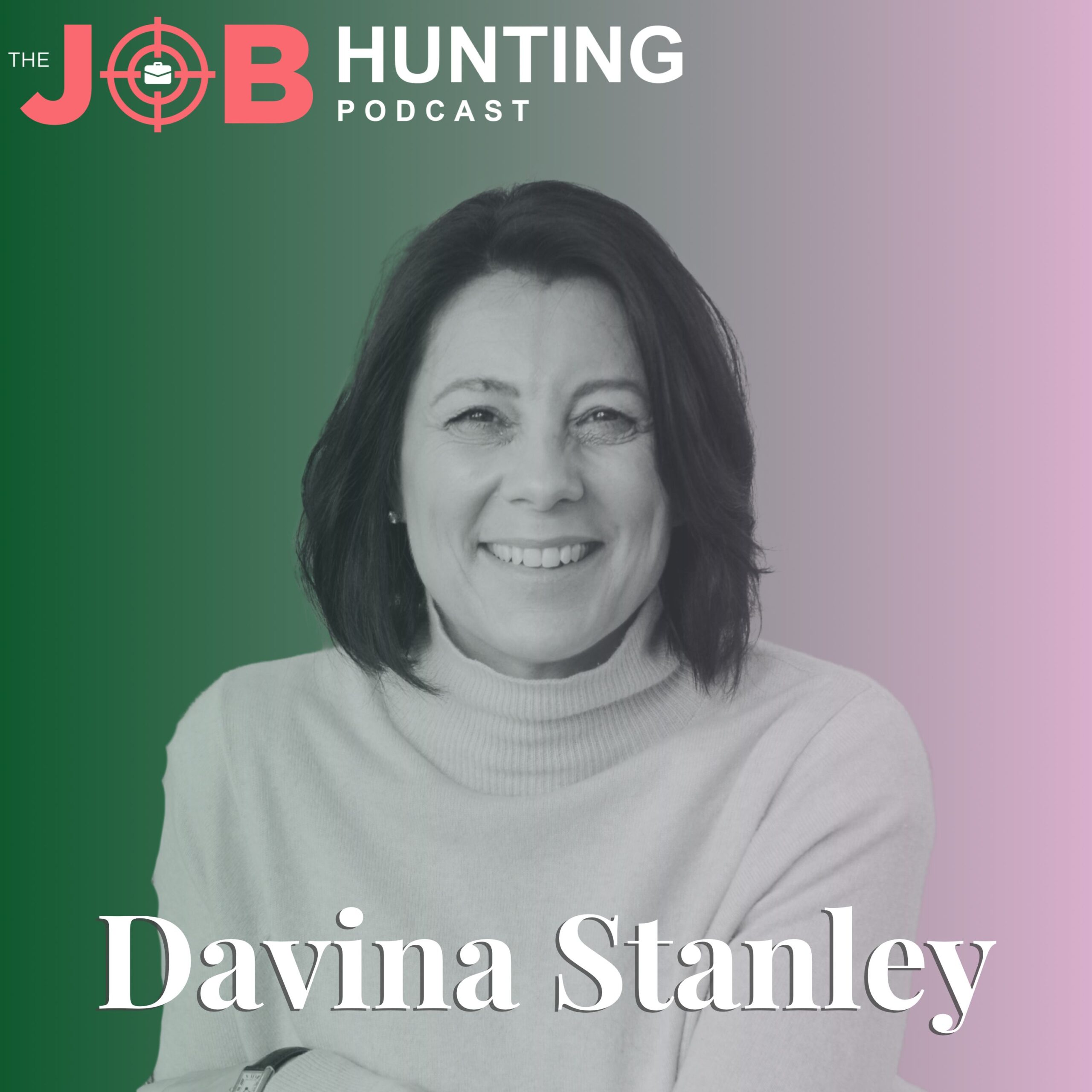
That tension was at the center of my recent conversation with Davina Stanley, who has spent nearly 30 years helping professionals communicate complex ideas to senior executives and boards. Stanley learned structured communication techniques while working as a communication specialist at McKinsey and has since coached leaders and teams on how to make complex thinking easier for decision-makers to understand.
The larger career lesson from our conversation is important: as your career progresses, being knowledgeable is not enough. You increasingly need to demonstrate that you can decide what matters, interpret it, and communicate a point of view. That ability is one of the clearest signals of professional judgment.
Early in a career, professionals are often rewarded for knowing the detail. You demonstrate competence by understanding the numbers, knowing the system, doing the analysis, or being able to answer the technical question. As responsibilities increase, the value of that knowledge does not disappear. What changes is what you are expected to do with it.
Stanley described this progression during our conversation. At more senior levels, she argued, professionals need to think more broadly across the organization and become increasingly capable of synthesis. Knowing the facts remains important, but the question gradually changes from “What are the facts?” to “What do these facts mean?” That shift is easy to underestimate. In fact, expertise can make communication harder because experienced professionals understand the exceptions, history, politics, technical limitations, stakeholder differences, and possible consequences surrounding an issue. When everything seems relevant to you, deciding what another person needs to know becomes surprisingly difficult.
There is research behind this problem. A 2024 scoping review of information overload found that excessive information can reduce decision quality, productivity, and the effectiveness of both individual and organizational decision-making. The research also identified filtering and prioritization as important strategies for reducing overload. The review, published in the International Journal of Information Management Data Insights
This has practical implications for experienced professionals. Giving a decision-maker more information does not necessarily make your argument stronger. At some point, you transfer the work of interpretation from yourself to the person listening to you. That is exactly what you should be trying to avoid.
One of the most useful distinctions from my conversation with Stanley was between communicating facts and communicating meaning. She told me about coaching a senior candidate preparing for a CEO interview. The candidate would “fact bomb” her, providing fact after fact before eventually explaining why those facts mattered. Stanley's advice was to reverse the order. If you are presenting yourself as capable of leading at CEO level, the interpretation needs to come first because it demonstrates your ability to think at that altitude.
I see the same issue constantly in job interview coaching. When experienced candidates answer behavioral questions, they often spend too long explaining the situation. The organizational structure, the political environment, what happened three years earlier, who disagreed with whom, why the project existed, and why the previous leader had failed can all feel important to the candidate because they lived through it. The interview panel usually needs much less of that context. They are trying to understand what you noticed, what you decided, how you acted, why you chose that approach, and what happened as a result.
The difference matters because seniority is increasingly expressed through judgment rather than activity. The World Economic Forum's Future of Jobs Report 2025 reinforces the importance of this combination. Analytical thinking was the most commonly identified core skill among surveyed employers, while leadership and social influence ranked third. The interesting part is not either skill in isolation. Senior professionals increasingly need both: the ability to think well and the ability to make that thinking useful to other people.
This is also why I am increasingly skeptical of vague discussions about “executive presence.” The term can imply that senior professionals need a particular personality, polished physical presence, powerful voice, or extroverted style. Those qualities may affect perception, but they can distract from something more fundamental. A quiet person who consistently identifies the important issue, explains what it means, and makes a well-supported recommendation can have tremendous presence. Stanley made this point clearly. Senior people do not necessarily need to be “brash extroverts.” What matters is that when they speak, what they say is useful, insightful, and organized. That is a much more inclusive and useful definition of executive presence.
Another common belief among experienced professionals is that their work should speak for itself. It rarely does.
During our discussion, Stanley recalled working with someone in data who believed “the numbers should just speak for themselves.” Her response was that the numbers still need context. Improving a measure from 23 to 43 might be extraordinary, disappointing, or somewhere in between depending on the starting conditions, expectations, resources, and difficulty involved.
The same applies to careers. I frequently review resumes that contain impressive numbers without enough explanation to tell me whether I should be impressed. A candidate might say they managed a $200 million portfolio, increased revenue by 15 percent, supervised 80 employees, or delivered a transformation program across six countries. Those are facts. They are not yet a value proposition. What was difficult about the work? What changed because you were there? What decisions did you make? What would have happened otherwise? Was 15 percent growth exceptional under the circumstances? Did the six-country transformation solve a business problem that had resisted three previous attempts?
Stanley put the distinction neatly during our interview: people often focus on “what they've done rather than what they've delivered.” For experienced professionals, this is particularly consequential because lengthy careers generate an enormous inventory of activity. The temptation is to catalogue it all. You end up with resumes that read like job descriptions, LinkedIn profiles filled with responsibilities, and interview answers packed with evidence.
Career positioning requires something different. You have to interpret your own career. That does not mean inflating achievements or becoming performative. It means doing the intellectual work necessary to explain why your experience matters. There is an important boundary here. Self-promotion without evidence quickly becomes empty positioning. Stanley's advice was straightforward: “You've always got to be able to back up what you say.” I agree. The answer to professionals who dislike self-promotion is not to become louder. It is to become more precise.
There is another reason this matters now. Generative AI has dramatically lowered the cost of producing competent professional language. A job candidate can create a polished cover letter in minutes. An executive can turn rough notes into an elegant briefing paper. A manager can generate a sophisticated-sounding strategic narrative before lunch. That is useful. It also creates a new problem.
During our conversation, I described what I am increasingly seeing in recruitment materials: everyone sounds polished. Stanley immediately recognized the risk and gave it a memorable name: “polished nonsense.” The danger, she explained, is that sophisticated language can make weak thinking harder to detect. When prose appears clean and confident, we may be less inclined to interrogate the substance underneath it. Recent research gives this concern additional weight. A 2026 study in Nature Human Behaviour, based on more than 880,000 texts across seven datasets, found that the use of large language models for rewriting was associated with reduced linguistic diversity. The researchers found that while core content was generally retained, LLM-assisted rewriting pushed writing toward greater stylistic conformity. Read the Nature Human Behaviour study
Another study published in 2025 examined 2,200 college admissions essays and found a similar homogenizing effect in AI-generated writing. Human-written essays contributed more new ideas to the overall pool than GPT-generated essays, with the diversity gap becoming more noticeable as the number of texts increased. Read the study in Computers in Human Behavior: Artificial Humans. There is also a cultural dimension. Research presented at the 2025 CHI Conference found that AI writing suggestions shifted Indian participants toward more American writing styles, reducing some of the cultural differences in how participants expressed themselves. Read the cross-cultural AI writing study. For job seekers, the lesson is not to stop using AI. I use AI extensively myself, and it can be an extraordinary thinking partner and editor.
The lesson is to understand what cannot be outsourced.
Your career positioning needs to contain choices. Why are these three accomplishments relevant and the other fifteen less so? What do you believe about the problem this employer needs to solve? What have you learned from your experience that a less experienced candidate might miss? What kind of leader are you, and what trade-offs come with that leadership style? Stanley said something during our interview that I think will become increasingly relevant to senior hiring: “You've got to be taking risks, and being distinctive is a risk.” I would qualify that slightly. Being distinctive does not mean manufacturing controversy or trying to appear unconventional. It means being willing to make choices about what you stand for rather than allowing AI to assemble the safest possible version of you.
In a world where professional polish is increasingly abundant, point of view becomes more valuable.
Perhaps the most practical part of my conversation with Stanley concerned preparation. Most professionals approach important communication by opening the document. They begin typing the cover letter, building the presentation, drafting the board paper, or writing the difficult email.
Stanley recommends separating thinking from production. Her first step is intentionally messy: brain dump everything somewhere that is not the final communication. Then step away from the raw material and ask what outcome you actually need from the interaction. Only after answering that question do you determine the main message and supporting ideas.
I find this particularly useful for job interviews. Experienced candidates sometimes believe preparation means writing dozens of potential answers and memorizing them. I prefer preparation that gives candidates a clear architecture for their story: the value they offer, several themes that support that value, and strong examples they can draw on depending on the question.
Stanley described a similar approach. When she occasionally helps someone prepare for an interview, she encourages them to map their thinking onto one page, anchored by one major idea answering a fundamental question: Why should you hire me? Beneath that sit several themes and the evidence supporting each one. This is a much stronger preparation method than scripting twenty answers because it creates flexibility. You are preparing your thinking rather than memorizing sentences. The principle also applies to executives preparing high-stakes presentations. Stanley argues that repeatedly polishing a document can leave the main insight buried because the writer remains trapped inside the original sequence of thought. A better approach is to separate the initial brain dump from the structured message, decide what must be understood first, and build from there.
This approach is consistent with a broader shift in senior communication. A 2025 Harvard Business Review article on communicating like an executive argued that communication needs to become more deliberate as leaders move into senior roles. Unfiltered thinking that may have felt transparent earlier in a career can create confusion when every comment from a senior leader carries greater weight. Read “Communicate Like an Executive” in Harvard Business Review
The point is not that senior leaders should become guarded. They need to distinguish between the private process of thinking and the public responsibility of communicating.
There is one caution worth adding. A strong argument for concise communication can easily become an argument for oversimplification. Those are not the same thing. Complex decisions are complex for a reason. Experienced professionals often see risks and dependencies that less experienced colleagues cannot yet recognize. Their responsibility is not to strip those complications away until the message becomes misleading.
The skill is hierarchy. You should be able to give me the 30-second version, the three-minute version, and the 30-minute version without changing the underlying truth. The first version tells me the conclusion. The next explains the reasoning. The longer discussion gives us access to the evidence, assumptions, risks, alternatives, and detail underneath it. Stanley described exactly this during our conversation. If you have three minutes, you may only have time for the direct answer and essential support. With half an hour, you can add considerably more detail. The communication needs to expand or contract without losing its intellectual structure.
That capability becomes particularly important later in a career because experienced professionals frequently communicate with multiple audiences. A board needs one level of detail, your executive peers another, your technical team another, and a recruiter or selection panel another. Knowing more should give you greater range. It should not require everyone else to hear everything you know.
A sentence near the end of my conversation with Stanley that I think is worth mentioning. She described structured communication as a “thinking machine.” The value of the structure, in her view, is that it forces you to sharpen the message before you deliver it. That is the bigger lesson.
Communication is often treated as the final stage of professional work. First you do the analysis, make the decision, run the project, or build the expertise, and then you figure out how to explain it. At senior levels, those activities are much harder to separate. The discipline required to explain an issue clearly often exposes whether you have actually decided what you think about it. For professionals in their 40s, 50s, and 60s, this matters because career advancement becomes less dependent on proving that you can do the work you have already done. Employers, boards, clients, and senior leaders increasingly want to know what you can make of your experience.
The same is true when changing careers. Your previous positions do not automatically tell a new employer why your experience is transferable. You need to interpret the connections for them. And it is true after redundancy. A long career can suddenly feel difficult to explain when the organizational identity that once gave it context disappears. The task is not to recite everything that came before. It is to determine what you now know, what you can contribute, and why that matters to the person sitting across the table.
Experience remains enormously valuable. But experience does not speak for itself. The professionals who gain the greatest advantage from it are often those who can transform accumulated knowledge into clear judgment, and make that judgment visible when it matters.
Hello, I’m Renata Bernarde, the Host of The Job Hunting Podcast. I’m also an executive coach, job hunting expert, and career strategist. I teach professionals (corporate, non-profit, and public) the steps and frameworks to help them find great jobs, change, and advance their careers with confidence and less stress.
If you are an ambitious professional who is keen to develop a robust career plan, if you are looking to find your next job or promotion, or if you want to keep a finger on the pulse of the job market so that when you are ready, and an opportunity arises, you can hit the ground running, then this podcast is for you.
Renata Bernarde
Davina, I am delighted that you’re here today. Because my audience really needs to hear from somebody like you who has spent so many years helping professionals communicate complex ideas to senior executives, to boards, and by default also to selection panels if they’re going for job interviews. What I have learned as a coach is that amazing experts and my clients that come to me sometimes don’t automatically Are good at influencing, right? So I think that those are two capabilities, expertise and influence are two different things, and they should, as much as possible blend in together, especially when they are in transition and looking for work. So what in your view separates the person everyone knows is technically excellent from the person senior leaders start to trust with bigger decisions?
Davina
That’s a perfect question. Influence has so many different elements to it. But one really key one is being able to frame that technical expertise in a way that’s really useful to a particular setting. So rather than just saying, this is the answer. And this is why maybe it’s technically the right answer, like the right IT system, technically for the business. You know, it’ll do the job really well, but rather be able to say, why is this commercially the right answer? And within that, the technical becomes part of the answer. It’s not the whole answer. And I think once you are going up, you different levels in an organization you’ve got to be able to think more broadly about the whole organization you know originally it’s your own work your own answer on your own spreadsheet or what have you and then it’s okay maybe you’ve got a little team so you’re thinking about the team and you know the further you go up the broader you’ve got to be thinking the more broadly you’ve got to be thinking and you’ve got to be able to think across disciplines not just across your own area yeah.
Renata Bernarde
I like that you explained how it makes a difference as you go up and up in the ladder of an organization, in the structure of an organization. At what point do you think communication starts affecting that trajectory?
Davina
I think from the beginning. So maybe it’s not as big at the very junior levels, but I think it still is. Maybe it’s slightly different kinds of communication, right? It may be it’s more about the interpersonal. I like working with you. You’re relatable. You can tell me things in a way that I understand. Maybe it’s that simpler sorts of communication, but I think if you don’t pass the pub test, if people don’t enjoy working with you in those very early days then it’s pretty hard. To keep going you know so I think communication is a big part of that listening well you know having the right tone all of those sorts of things in conversations showing respect to others around you whether they’re next to you or above you know fitting in that kind of thing but I think that’s still there’s still an element of communication in that maybe the nature of it changes as you go up you have to be able to synthesize more and we’re to first summarize so be able to say here are the facts and describe them but then what do they mean as you go a little bit further up and then you know being able to deal with that breadth of context and.
Renata Bernarde
Mm-hmm. Yes.
Davina
So I think the context changes Maybe the very specific communication skills might change, but I have to think it’s there from the beginning.
Renata Bernarde
Yes. I work with professionals in the much later stages of their career. So they’re usually 20 or 30 years into their professional lives. So their problem is usually that they know so much that they.
Davina
Mm-hmm.
Renata Bernarde
Struggle to decide what to leave out, especially.
Davina
Mm-hmm.
Renata Bernarde
In an interview situation. But I.
Davina
Mm-hmm.
Renata Bernarde
Also extrapolate and imagine that, you know, when they go into board meetings or.
Davina
Mm-hmm.
Renata Bernarde
Important conversations. That they might waffle for too long and I’m wondering here if experience sometimes make clear communication harder than easier. Yeah.
Davina
Interesting. Yes, I think so because you There’s a real breadth of knowledge and depth to the more experienced you are. So I think that’s again where synthesis comes in. So if you’re in, you know, a situation where you’re communicating to your senior leaders about anything, is it a strategy? Is it an update is it anything or if you’re in that interview situation I think it’s exactly the same sort of set of issues where you’re saying what’s the outcome we need from this particular interaction and if that then narrows the field once you’re clear about that you know in the interview space it’s okay I need to get to the next stage in the process. Okay what is it that I need to demonstrate to get to the next stage but it’s also about as part of that you’re saying okay once I know my goal my objective then it makes it easier to narrow the field but also focus around one core idea at the top. If you think of your ideas in a hierarchy so if you create a hierarchy what you’re doing is naturally pushing some ideas further down And so if you’ve got three minutes in your question, your conversation, then you can really only go to the high level to answer it. The very direct answer and then the backup. If you’ve got half an hour, you can give a whole lot more detail. And so adjusting to, you know, the 30 seconds, the three minutes, the half an hour, the whole day, whatever length of time you’ve got and practicing for that.
Renata Bernarde
Yeah.
Davina
I think becomes.
Renata Bernarde
Yes.
Davina
Really important.
Renata Bernarde
Yes, practicing being the operative word, isn’t it? It’s so interesting when people know that the meeting is so important, but they forget to actually articulate their ideas beforehand, not just in their heads, but maybe on paper or say it out loud. Am I right? Is that beneficial? Because I always tell people to do that. Yeah.
Davina
I think so. I think so. And I think writing it out, you know, you can write it out, can write it a hundred times, but write it in a way that’s really unhelpful too.
Renata Bernarde
Yeah.
Davina
Right? So saying it out loud, writing it doesn’t necessarily fix the problem. Can, but it doesn’t necessarily. I think they’ve got to be very aware that they need, you know, a really short warm up, if you like. One idea to anchor the whole thing and then, you know, a small number of supporting points under that each, you know, they can unpack. So they’ve got it in a very clear structure so that and I guess, you know, when I’m helping people prepare for interviews which I do very rarely but I do that sometimes I get them to map it all on a page and I say right you’ve got no more than five points underneath one major idea which says with the answer to why should you hire me and then under each of.
Renata Bernarde
Mm.
Davina
Those let’s say four or five themes then you’ve got a story that sits underneath each one of those. You know why strategically I’m a great fit, why I’m going to deliver great returns in your team or your organization, why the way I think about implementation is really valuable, why hiring me, you know there are going to be risks of hiring me, of course there are, you know how would you handle those? So if you’ve got those sorts of things laid out really clearly it doesn’t matter what they ask you.
Renata Bernarde
Yeah.
Davina
You’ve got the answer already crystallized, not just written out in random long form, but actually structured.
Renata Bernarde
Yes. That’s a good point. And it’s something that I saw in the work that you do, that I thought was really interesting. I’m going to use it with my clients. Is you don’t want to just simply convey the information, you want to tell them what the information means. So, you know, by dot pointing.
Davina
Mm-hmm. Mm-hmm.
Renata Bernarde
And arguing your point as to why they should hire, you know, that the example that you used, why they should hire me, is a way of conveying that. And it made me think as well that this ability to synthesize and be crisp and clear demonstrates what a lot of people when I say executive presence in any of my podcasts, the.
Davina
Mm-hmm.
Renata Bernarde
Podcast goes up in ratings and in viewership, so I’m going to say it again, because I think, you know, it does demonstrate that you have that professional presence or executive presence. You demonstrate that by articulating your ideas.
Davina
I think so. I was talking to somebody recently who was applying for CEO role and they had had very senior roles before but this one was a little bit of a stretch and you know he asked me to rehearse him and just help him think through his messaging and it helps him to talk out loud which it does for a lot of people and he would fact bomb me. Just fact fact fact fact fact and then at the end he would come to why those facts mattered and I said look if you’re going for CEO role I think you’ve got to lead with that because you’ve got to demonstrate that you can think at a high level and it doesn’t matter if you think of all the different personalities that are going for these roles and you think of you know senior people in these roles they’re not necessarily brash extroverts you know it’s not about that it’s not about extreme confidence either in portraying that sort of you know very stand-up straight you know be loud type of thing it can be very quiet people actually who are just very good at you know people listen to them because they can you know what they say something very very useful insightful but also you know they don’t use too many words either because like every.
Renata Bernarde
Mm.
Davina
Word that person says is really valuable we’ve got to really listen to them. So there’s all sorts of different styles aren’t there but I think that common ingredient of being able to get up to the high level gives you presence. You know if people sometimes come to me and ask for help with their executive presence and you know I sort of wonder if they’re asking for you know the way you hold yourself the way you use your voice those kinds of things which I think really matter. I think it matters even more. To be able to get to the high level and be organized in what you’ve got to say. Because it’s hard to.
Renata Bernarde
Absolutely. Yeah. Yeah.
Davina
Do, particularly verbally.
Renata Bernarde
Yes, yes. Particularly in a second language as well, as is this the.
Davina
Yes!
Renata Bernarde
Case. I want to talk to you about that in a minute, but what I wanted to ask you now as a follow-up, I like the example that you gave because it’s one of the ways for the listeners to understand what it looks like not to have made this transition to have the ability to synthesize information and present information to showcase what it actually means. I thought of another example when I’m doing interview preparation. People book me to do interview prep one hour consultations and even my coaching clients sometimes what they do if they’re articulating it in sort of a behavioral format because it’s what many of the questions in interviews are behavioral questions.
Davina
Hmm.
Renata Bernarde
Where they want you to present a situation and then talk about task or strategy and then the action and then result. They spend too much time on the situation or the problem. Way too long. And it’s immaterial To the analysis that they’re trying to do about you. What they want to do is to understand a little bit about the situation, but how you acted and what strategy you implemented if you’re senior, or what task you did if you were a bit more junior, and how that unfolded and what was the outcome. They want to understand the whole story arc and not just the situation. Because they love talking about it. And it and I explained to them like if you are in a barbecue. And you’re talking to your bestie and you want to talk about, you know, what happened at work, yes, just give all the goss and the detail about.
Davina
Yeah.
Renata Bernarde
The situation. But when you’re presenting a case, you know, to a board or to an interview panel, then then it’s a different type of articulation of the situation. Yeah.
Davina
Yes, I think so and I see that in people’s writing as well and you know that the situation often you know the background if you like becomes enormous and it’s like well why are we reading all of this you’re forcing your audience to do a lot of work mental work to try and work out why all of this stuff matters and if you can frame it up so that you know people have a sense of the journey of the conversation where you want to take them, particularly in an interview setting, know, where you say, look, first I’m briefly going to set up the situation, but then I want to tell you, you know, the other things, you know, how I solved it and what the outcomes were or something. Then, you know, already in your mind, you’re setting yourself to say, you know, I’ve got other things to get to, you know.
Renata Bernarde
That’s a great, great tip. I love that tip. Yeah. To give the audience the actual format of what you’re going to say to not only create an expectation for them, but then a framework for you to follow. That’s good.
Davina
Yes, yes and I’m sure you coach them on how long they should spend on a question like you have an instinct that it’s three minutes or 10 minutes or however long and so I guess if you’re doing that and you’re saying well I’ve got five minutes to answer this question before I bore them to snores you know well that means that the case study cannot be longer than 90 seconds maybe you know so already.
Renata Bernarde
Mm.
Davina
You’ve got a sense of that in your mind haven’t you.
Renata Bernarde
Yes, yes, yes. I love that. That’s that’s a great way of putting it. One of the difficulties that I see as well with people that are trying to progress in their careers and this is a little bit gendered as well, you know, I find that a lot of women think like that. At least, you know, anecdotally. I’m not going to quote any research on this, but this idea that the work speaks for itself.
Davina
Oh no, no. Or the numbers speak for themselves. No, no. Oh,.
Renata Bernarde
Right. Okay, tell me about it.
Davina
I had somebody say to me recently, actually they were a data person and they said, the numbers should just speak for themselves. And they’re wanting to give the facts. You know, we shifted the performance from 23 to 43. It’s a big shift, you know, in numbers. But then you say, what’s the context around that? Is 23 to 43 is almost double. That’s amazing. But really ought to have been 83. Like were you coming from a very low base in which case, you know, 43 isn’t enough in the time. We’ve really got to shoot for a whole lot more or, you know, should we truly be celebrating that’s a monumental achievement? You have to put some words around it so people know. You know, my gosh, getting.
Renata Bernarde
Yeah.
Davina
From 23 to 43 was like pulling teeth or yeah, it was easy, you know.
Renata Bernarde
Mm. Yeah, yes. I think that’s a problem for a lot of people, especially in some of the markets I work with. I’m.
Davina
Mm.
Renata Bernarde
Not saying that all Americans are good at self-promotion, but compared to Australians or English.
Davina
Hahaha.
Renata Bernarde
Clients that I have, they’re so much better. So in Australia.
Davina
Yeah.
Renata Bernarde
We have we have a situation here, cultural quirk here called the tall poppy syndrome. Have you heard of the tall poppy syndrome?
Davina
Yes. Yes,.
Renata Bernarde
Yes, yes.
Davina
I’m Australian. Yes, I have.
Renata Bernarde
So there is this line between making your value visible and it becoming something that is close to self-promotion that people really struggle with all over the world, but in some cultures more than others. Yeah,.
Davina
Yes, yes, yes. All they do. Yes, yeah.
Renata Bernarde
How do you deal with that? When you’re you’re coaching people or mentoring people.
Davina
I’m very aware that an Aussie who now lives in the US that I need to dial it up a little bit for myself.
Renata Bernarde
You struggled by being raised in a culture where you weren’t supposed to be a tall poppy and now you are in an American culture where that really is not an issue.
Davina
Well, I think it still is though. I’ve talked to people about it rather than confronted it. And I think that the word here is it’s okay to look like you’re trying hard. I think that’s the difference in Australia or the UK or New Zealand too, I think.
Renata Bernarde
Yes, yes.
Davina
If you are doing really well you’ve got to downplay it a bit and make it look like it’s just lucky it’s you’re like i didn’t really work the weekend to do that even if you did right and so i think here it’s okay to work hard to get you know to not be shy about that ah.
Renata Bernarde
Mm.
Davina
And I find people here are more forthright about their opinions about just life in general. Think Australians can be quite direct about their work. You know, this is what.
Renata Bernarde
Mm.
Davina
I think the right answer is. I’m still finding my way with it here. Yeah.
Renata Bernarde
We can go into this different direction and still talk about self-promotion, but talk about the risk of being performative, you know, when you are presenting.
Davina
Oh, mm-hmm.
Renata Bernarde
So there’s another line in the this line between you making your value visible and you becoming performative and going too far down that self-promotion road.
Davina
Mm.
Renata Bernarde
How do you avoid that? And what are the risks of becoming performative.
Davina
I think you’ve always got to be able to back up what you say. When you feel like you’re just mouthing platitudes, you’ve got to be really careful. So I think you’ve got to be able to back up what you say. That’s the key difference to my mind anyway. Otherwise it looks like you’re just mouthing words that have no substance. And certainly in an interview setting, you’ve really got to have the substance, you know?
Renata Bernarde
Yeah.
Davina
The more senior you get, I think at any level you really should have that. There comes a point where there’s a syndrome, is it the Peter Principle or something, where you get to a point where you’re a step beyond your capability? You know, too much performance, and I think there’s a risk that you fall on your face.
Renata Bernarde
And in those sort of an interview situation, you know, being performative is one of the things that job candidates can get wrong, you know, if they’re.
Davina
Hmm.
Renata Bernarde
Trying too hard. What other things can people get wrong when they’re trying to explain their value?
Davina
They cannot realize how important some of the things they’ve done are and downplay them. So.
Renata Bernarde
Mm.
Davina
Letting the numbers speak for themselves rather than describing the impact. Think people very often focus on what they’ve done rather than what they’ve delivered. Right?
Renata Bernarde
Mm.
Davina
So I did this, I did that, I did that rather than saying, you know, I did this and achieved that value.
Renata Bernarde
Mm-hmm, mm-hmm.
Davina
This was the impact of what I did. So I think that’s a very easy trap to fall into, to assume that people know that was a really valuable thing that you did.
Renata Bernarde
Yeah. Davina, one of the traps that I have identified recently and I did a podcast about that. It came out this week that we’re talking. So you know if you’re listening now, everyone, this was a couple of months ago. It’s this idea that artificial intelligence and the use of artificial intelligence to help you with your narrative and articulating.
Davina
Mm-hmm. Mm-hmm. Mm-hmm.
Renata Bernarde
Ideas has made everybody sound really polished. Right. So if you.
Davina
Yes.
Renata Bernarde
Use AI to put things together to present or create scripts or create cover letters or resumes and all of that, everybody sounds more or less the same but very polished. So.
Davina
Mm-hmm. Mm-hmm. The same. Yep. Yep.
Renata Bernarde
What becomes then the new signal of professional competence if everybody’s.
Davina
Yeah.
Renata Bernarde
Kind of sounding the same and sounding really sophisticated in the way they are articulating the problem?
Davina
Yes, So what I’ve observed with what AI gives me and I love it, I use it constantly, is that yes it can be the same, yes it’s very polished, it’s actually really hard. I think to review and critique something critically if it looks really polished because the normal sort of stumbling in the writing or whatever isn’t there and there are some signals that you get normally when something’s poorly thought through that are absent because of the polish right.
Renata Bernarde
And.
Davina
But polished nonsense is a real problem and.
Renata Bernarde
Mm.
Davina
Something can look you sort of read it quickly and because it looks so nice you sort of go yep yep yep yep yep great awesome done tick and flick rather than if you’d written it yourself you would have sweated everything and you would have had some really much more insightful points that are very much they’re not so general that are more specific to this particular situation because if you imagine, say, you think of you know high-profile CEO roles that everyone knows about so i’ll pick on let’s just say apple because we’re probably all familiar with steve jobs we would remember.
Renata Bernarde
Mm-hmm.
Davina
Tim Cook, who’s just finished. And then there’s a new guy who’s just come in whose name I haven’t memorized yet. But you’ve got three very different people going for that same CEO role. Now, if we used if any one of them used AI to write their application, which they wouldn’t, but bear with me for the, you know, the illustration, you could feasibly get quite a similar sort of cover letter.
Renata Bernarde
Yes.
Davina
I’m great for this role because I’ve ticked these boxes that you had in your job application, right? But you think how different each one of those three people are, know, Steve Jobs, that really hard-charging, you know, particular design-focused fellow, right? And so his pitch you would want to be very, very different than Tim Cook’s pitch. Now they’ve had that same job at different points in time. So you might argue that the job is different because the timing is different. But quite feasibly, a company will be making choices between three candidates, they’re as different as that. The new CEO is going back a little bit to the Steve Jobs model, as I understand it, from a product background, whereas Tim Cook was more of an optimization sort of a leader, know, optimize everything,.
Renata Bernarde
Mm-hmm.
Davina
Supply chain, make it really hum, right? So you know, it’s a very different set of things that the company chose, set of trade-offs the company chose.
Renata Bernarde
Yeah, yeah.
Davina
So if it is bland,.
Renata Bernarde
Mm-hmm.
Davina
That’s smushing all of those three people together, which is sort of what AI is doing, unless it’s really well briefed, you don’t.
Renata Bernarde
Mm-hmm.
Davina
Get any differentiation. There’s no risk-taking, right?
Renata Bernarde
Yes.
Davina
Because AI is programmed not to take risks. It’s programmed to.
Renata Bernarde
Mm-hmm.
Davina
Not be wrong. Whereas if you’re going for a senior role, you don’t want to be wrong. Because if you’re going through the process, it’s arduous. You want to get the job. But you’ve got to be taking risks and being distinctive is a risk. Right.
Renata Bernarde
Mm-hmm. Yes.
Davina
So I think that’s one of the keys. You can use it. I mean, I find it brilliant for giving me ideas or helping me. It’s like, oh, yes, that’s something I needed to say that I didn’t think of or what have you.
Renata Bernarde
-huh.
Davina
But you’ve got to be careful not to rely on it completely, I think.
Renata Bernarde
Yeah. And talking about that uniqueness of your own voice, if you’re doing things yourself rather than relying on AI to design your narrative for you. I’m also interested in your opinion or work that you’ve done before looking at different cultures, ethnicities or gender differences between the way people present ideas and even their ability to be concise. I find it really hard to be concise. I don’t think Brazilians.
Davina
I do too.
Renata Bernarde
Are very good at being concise to be honest. So I in fact have a couple of Latin American clients and we discuss that, you know, that we come from a culture where brainstorming and workshopping ideas in a corporate environment is seen as really positive. You know, inquiry.
Davina
Yes.
Renata Bernarde
Asking lots of questions is seen as really.
Davina
Yes.
Renata Bernarde
Positive. Whereas now we are in a culture here in Australia, and again, this is all anecdotal. I don’t have any research to back this up, but I feel like inquiring too much in a corporate environment in Australia could be to the detriment of your executive presence. Because.
Davina
Mm, mm, yes.
Renata Bernarde
People will think why is she asking so many questions? Questions? She should know this.
Davina
I’ve seen that too.
Renata Bernarde
Yeah?
Davina
Yeah, no, I have. It’s not even necessarily cultural, though I do think culture plays a part because cultures have a way of communicating. You know, I’m coaching a Russian at the moment and that’s something he’s coming to terms with the differences between, you know, the English or more American way of communicating. And for him, there’s an overlay of that plus the consulting environment. He’s working with one of the top-tier consulting. Firms and so I’m helping him with his communication. I come back to another separate consulting example where I was asked to help a woman who was working in a top-tier firm and they wanted to promote her to partner and they were saying she’s terrific. You know, the clients love her because she’s so collaborative and you know, she really brings them into the tent and they feel like they’re really relating with her, but she’s driving the team insane. Right. And This was many years ago and I had a bit of an inkling as to what was going on. I knew the firm that she was working with very, very well. They’re very hard-charging. People at this firm are off the charts driver, get it done, get it done, get it done. You know, really like that. And here she is chatting and wanting to brainstorm together. And I said how about you do the assessment as though it’s yourself. And then do the assessment as though it’s your colleagues. Just pick two of them, personify it and imagine them and just send it to me. So I’ve got three to work from. I felt like I knew the answer before we got there. And she was an expressive, which is someone who might fit to my stereotype of the Latin countries, know, very chatty, talkative and colorful and lots of words. And, know, let’s really, like you say, brainstorm and do it together. Whereas the others were off-the-chart drivers and so.
Renata Bernarde
Mm.
Davina
Once I explained that to her and she could see it on the framework I said look see if you can just even take some notes or talk into a dictaphone or do something like that before your meeting so that it looks like you’re coming with a point of view to be tested rather than coming with all these ideas swimming around to thrash out together because you’re absolutely right and the more senior levels you reach. I think people don’t thrash things out together. They feel like they should have the answer. It’s part of their job. Know, one of the great pleasures I have is working with sometimes quite senior teams. I like to roll out a change in the way people work together, not just, here’s how you write a presentation, but rather let’s think about how we collaborate together and change the way people are drafting so that it makes it much easier. To collaborate but also to provide each other with feedback. Let’s make it much faster. There’s a big bottleneck often around that and so that means then I need to start at the top. So I’ll start at the top of the division or maybe sometimes the CEO of the company and say right I’m going to work with you in a really applied way on this thing and then I’ll work with the executive leadership team and nine times out of ten they’ll come away and say you know work with let’s say three people together. C-suite members together, and we work on one communication together for a couple of hours and they’ll come away and they say we just don’t do that enough you know so I think people in the right setting in Australia in the US you know in these more direct sorts of cultures do really.
Renata Bernarde
Mm.
Davina
Enjoy that if it’s set up for them.
Renata Bernarde
Mm-hmm.
Davina
But yes, if there’s too much of it or it’s not framed well enough, it can be. People can resist it, can’t they?
Renata Bernarde
Yes. I would love it if you could give us an exercise that people can do to prepare themselves for difficult conversations or presentations. Like the one that you mentioned before, you know, maybe one example of what you can do alone, you know, if you cannot work within your team, but then another example of what you can do with your team in order to make better communication happen within your work.
Davina
Yeah, okay. I encourage people to work through a structured journey, whether you’re doing it on your own or you’re doing it with somebody else. And I think the first step is just to brain dump, right? However it works for you, whether you talk it out, whether you write it, whatever, just brain dump somewhere that’s not your communication so that you can get it all out and you don’t start writing too soon. Right and you don’t expect it to look really nice and polished so just get it out and then to think a bit strategically about you know what do I want to achieve i’ve got a difficult conversation coming up okay i want to have a rant with this person because they’re very difficult. I want to shake them by the shoulders you know they’re being very difficult or I’m just expecting that they’re going to be really reactive to what I’ve got to say. So, what is the outcome that I need? You know, do I need them to agree with me? Do I need them to just really think about something that maybe they’re doing that’s difficult to be around or… Do I need them to go and do something? What do I need from the conversation? And once you’re clear about that, I think the story and the message come together much more easily. But I think that stage, you’re talking about working independently or working with others. I think that stage can be very helpful to do with other people. You know, if you’ve got a presentation to prepare, you can get stuck.
Renata Bernarde
Mm-hmm.
Davina
In your own mind as to, okay, I’ve got to get the board to agree with the strategy. Okay, fine. But that’s pretty general, right?
Renata Bernarde
Mm-hmm.
Davina
What are they going to challenge me on? Because hopefully they will challenge you and that’s a good thing. So… Who is it on the board that’s going to be least receptive to this idea and why? Do I really understand why? Have I thought that through well? At that stage, maybe draft it yourself and then go and sit down with a colleague and really think it through because I think it’s very easy to miss things at that stage. Who is it that matters the most in that group?
Renata Bernarde
Mm-hmm.
Davina
And what are their issues? What are their questions? What are they going to love? What are they not going to love about what I’m putting forward? Do I need to change what I’m putting forward to cover certain topics? Or, you realize sometimes when you’re going through that process that actually the story that you thought you were going to tell just isn’t going to work. You actually need to just speak to one of the people one-on-one. So that strategic thinking piece is really important, whether you’re working alone or together, but it’s a good time to collaborate, whatever the communication is, and then testing your messaging with others as well.
Renata Bernarde
When you are a leader of a team that’s struggling to communicate with each other, what are the things that you can do to help them out?
Davina
Yeah, beautiful. Number one is brief them really well, because the team very often flounders and gives you lots of stuff because they don’t know why the stuff’s needed. And so the safety trick there is just to add more stuff. And what happens there is that very quickly you get into a habit where they throw stuff up at you wanting to be complete and be helpful. And then you take the stuff, you know, the stuff’s hard to read because it’s just stuff. And so you don’t get around to reviewing it until too late. And then you’re stuck and end up rewriting it yourself. And so then you create a vicious cycle because the team thinks, oh, my boss is just going to rewrite it anyway. I just better be complete with the stuff. Right? And so you get this habit where you end up doing your team’s work for them. So I think step one is to be very aware of that cycle. And step two is to learn to brief them really well, to have that strategy conversation, communication strategy conversation with them. I think that’s one thing. And the other thing is to mandate that they give you the messaging on a page, a single page that has a short introduction, one main message, no more than five supporting points and some backup underneath each one of those. And I mean A4 or letter. I don’t mean A1,.
Renata Bernarde
Davina
My engineers will say, oh, A4 is just too small. So we used any.
Renata Bernarde
Yeah.
Davina
Said 10-point font that’s just wrong you know so we went to a one and four point font because we just didn’t have enough space right the whole point is getting it into a small a small sheet.
Renata Bernarde
That’s funny. Yeah, yeah.
Davina
With that hierarchy on it. If you do those two things about you know the strategy giving them a really good brief and then iterating.
Renata Bernarde
-huh.
Davina
Around a one-pager you give all of you better insight better clarity and a lot more time back.
Renata Bernarde
Are you familiar with Jeff Bezos’s approach for meetings? I think he has a very structured way.
Davina
Yes, I’ve taught at AWS actually. Yes, I have. They spend roughly a third of the meeting reading. And what’s really interesting about that is that there are a couple of strategies for getting that three-pager or six-pager right. Either way, strategy one, which is the common one, is to iterate it. Just polish, polish, polish, polish, polish, away at the story, right? Until you get it really nicely written inside the three- or six-page limit. Whereas the other way is to get the one-pager right. Test that with your colleagues and they socialize those documents and it’s really high stakes so they really sweat them right.
Renata Bernarde
Yeah.
Davina
But if you get that one page right iterate around that, share it with your colleagues, test it, get that right, then it becomes really easy to write. But the other thing that happens, When I was working with a team at one of the Amazon areas,.
Renata Bernarde
-huh.
Davina
I gave them a workshop and I was following on from the head of Asia Pacific at that time. And he’d just presented his plan. This is many, many years ago, a long time ago. I’m not going to be pointing at any particular person now.
Renata Bernarde
All right.
Davina
And he gave this terrific presentation. And then people were asking what could be improved about it. And somebody said, but we had to wait till the end to get the answer. Right? And so if you polish, polish, polish, polish, there’s a really good chance you’re going to leave the answer to the end. But if you structure the messaging first, it forces you to pull out the main thing, makes it really visible. You can skim the three pages or six pages because of the hierarchy of the formatting and so on. So you can sit down in the meeting and go, right, okay, skim, skim, skim, turn the pages, get the sense of it. And it’s much easier to read it, And it’s also faster to write it, faster to read it,.
Renata Bernarde
Mm.
Davina
Faster to write it without sacrificing the data, the detail.
Renata Bernarde
Yeah. I think I think that what you said before as well is the first thing that you should do is just put things on paper, like just brain dump.
Davina
Mm.
Renata Bernarde
That means your cognition might start thinking sequentially. And that’s probably why the resolution of the problem is at the end.
Davina
Absolutely, yes.
Renata Bernarde
And then really once you start, I don’t know about you, but I usually I brain dump and then I come back to it the next day with more of an editing mindset and then you bring that problem to the front. Yeah, yeah. Yeah. I see that.
Davina
Oh, yes. Yes, yes.
Renata Bernarde
Very often, Davina, especially when executives are preparing presentations for selection panels and they’re asked to do a presentation and they need to do even a slide deck. The first slides are often not very good. And then the final slides are excellent. And I’m like let’s just swap around these slides because you want to win them at the beginning. You know, that’s when you have, I mean, Aristotle already knew that thousands of years ago. At the beginning is when you have their full attention. So we need to move those excellent slides to the beginning of your presentation.
Davina
Yes, yes, yes, I think so and I think you said something really prescient then too that when you do your brain dump you’re often likely to be chronological, right?
Renata Bernarde
Yes.
Davina
So what I encourage people to do is don’t edit that. That’s a separate.
Renata Bernarde
Mm.
Davina
Thing. It’s a separate artifact. It’s called a brain dump, right? And.
Renata Bernarde
Mm-hmm.
Davina
Then think: what do you really need to achieve and what do really need to say? And use that as a reference.
Renata Bernarde
Got it.
Davina
If you go back and try and edit that, you’re going to be caught, I think, in that polish, polish, polish, polish. It’s going to take you forever.
Renata Bernarde
Got it.
Davina
And you’re still going to quite possibly bury the main message. Right?
Renata Bernarde
Ah, okay.
Davina
So it’s a separate task. Dump it. Have it there as a reference.
Renata Bernarde
-huh, -huh.
Davina
Get your highlighter out if it helps you. Print it. Get your highlighter out if you like. Don’t edit it.
Renata Bernarde
Yeah. Mm-hmm.
Davina
It’s a different thing for a different purpose.
Renata Bernarde
Mm-hmm. That’s so interesting. I love to write. I don’t write as much anymore because of computers, you know, but I used to write a lot. But to this day, I do some TV interviews every now and then. If I’m going to be on TV and I know it’s only four or five minutes that they need me, If you’re watching this on YouTube, everybody, I can write, I can write an entire book. So that I can prepare for four minutes. And.
Davina
Yes. Yes. Yes.
Renata Bernarde
And People think it’s ridiculous. When I used to go for job interviews, it was a folder. It was a really.
Davina
Yes.
Renata Bernarde
Big folder, you know, because these jobs were big jobs that I were.
Davina
Yes.
Renata Bernarde
I was applying for. And sometimes I say this to my clients or sometimes I even show them the folders because I still have them. Look, this is what I took, you know, when I applied for my last job or the job before that. And they were like, ‘Are you crazy?’ I don’t have time for.
Davina
No!
Renata Bernarde
That. Well, that’s why I got the job, you know. I really think that it helped me. Yes, I 100% agree.
Davina
Yes, exactly, exactly. But I think there’s something about handwriting because it’s primal. We type and I type very quickly. Most people do, I think. And it’s like a stream of consciousness. It’s like the keyboard just becomes an extension of you. Whereas if you are writing, you know, you’ve got a really curly problem or you know, in that interview situation, you want to really remember what you had to say if you had written it. You remember it. So there are a number.
Renata Bernarde
Yes.
Davina
Of studies and I can’t quote you them, but I know they exist about learning. You know, and whenever I run workshops with people, I say, ‘Right, use a physical pen and physical paper; please don’t type your notes. Don’t type your notes because one, your email is going to pop up. It’s going to distract you, of course, but I think there’s something more to it than typing, too, because when you write, you cannot get as many words down per second per.
Renata Bernarde
Yeah.
Davina
Minute as you can when you’re typing. So you actually.
Renata Bernarde
Mm-hmm.
Davina
Have to summarize and think; you have to process the information. There’s something.
Renata Bernarde
Mm-hmm.
Davina
Extra, the tactile thing about it, but also, you know, you’ve got to process the information so.
Renata Bernarde
Yes.
Davina
Much more.
Renata Bernarde
And the funny thing i that happens, and I don’t know if it happens to everybody, but it definitely happens to me. The minute before I go on air, sometimes I do it from home, sometimes I’m at the studio, I forget everything. And I think to myself,.
Davina
Yes, yes and you panic.
Renata Bernarde
I don’t know what I’m doing here. This is not going to go well, you know, and.
Davina
Yes! Yes!
Renata Bernarde
And I’ve learned to sort of trust myself. But the last one I did was actually quite big because I had to fly to Sydney and I took my little booklet and the producers really helped me prepare because it was a big TV show here in Australia. But even then, you know, with all that preparation, the minute before we went on air, I was like, ‘My God, I forgot everything.’ And then if you see me and I will put a link below because I have the four-minute segment edited into a short video, I mean you can tell I’m a little bit nervous. There’s a little bit of a.
Davina
And more.
Renata Bernarde
Tremor in my voice in the beginning, but you wouldn’t know that just the minute before she addressed me, I wasn’t sure what I was going to say because it came.
Davina
Yes.
Renata Bernarde
Quite naturally and it happened because of the preparation. It’s.
Davina
Yes.
Renata Bernarde
Just sort of amazing what the brain does. It has all that information gathered in there. Yeah.
Davina
Isn’t it? Yes. Yes. Maybe it’s protecting you rather than having this clutter of information in your mind when somebody’s about to.
Renata Bernarde
True.
Davina
Ask you a question. Yeah.
Renata Bernarde
Look, it’s been fascinating talking to you, Davina. I want to close with a question to help people that are listening, if they are trying to influence senior decision makers and they need your advice, what do you wish more experienced professionals understood about being heard and being influential?
Davina
The importance of getting to the point, but the process of doing so, the structure that I talked about, a short introduction, one main message, and so on, is a thinking machine. It’s not just a format, right? So there is a thinking machine that they can use if they trust it. To actually flesh out their messaging so that they can really sharpen it up and it’s not about being charismatic and quick on your feet it’s about being really clear and having something very sharp to say. Once you’ve got that laid out you’re in the same position you described in your interview preparation But there is a system that they can use if they trust it. It’s very, very powerful.
Renata Bernarde
And we are going to put the links to what you do in the show notes. But do you want to tell us a little bit about what they will find when they click on the link?
Davina
Sure, absolutely. So I’ll hold it up for those on YouTube. My latest book is called Elevate and it’s for leaders. I’ve just put out the new edition of it and it’s companion book Engage. It’s for leaders who are leading teams and they need to make sure their teams communicate much better and want to make sure that they’re not rewriting their team’s material nearly so much. And I just found that was such a problem. I wrote the book about it and I wrote a companion book, Engage, which helps the team members so that they know what to do at different points in the journey as well. So Elevate and Engage are two great places to start. Elevate is the blue one; Engage is the white one, and they form a bit of a system. So they’re a great thing to look for and I have online courses as well to help.
Renata Bernarde
Okay. If you are an individual and not a team leader, could you just get Engage? Would that help? Okay.
Davina
Absolutely, absolutely, Yes, most definitely. It’s written for the individual. Yeah, no.
Renata Bernarde
Awesome.
Davina
Absolutely on the assumption that most people are part of a team. Yes.
Renata Bernarde
Yes. Yes. No, I think I have to recommend it to a few clients, so that’s why I’m asking. Davina,.
Davina
Thank you.
Renata Bernarde
Thank you so much for being on the podcast with me.
Davina
My pleasure, thank you for having me.
Join our ever-growing community of professionals who are taking their careers to new heights. Every Tuesday, I’ll send you The Job Hunting Newsletter, with the latest episode of The Job Hunting Podcast and other resources to help you make career plans that work.