

Most professionals do not think about their careers in probabilities.
They think in effort.
They think, “I have worked hard.”
They think, “I have good experience.”
They think, “I am qualified for this role.”
They think, “If I apply to enough jobs, something will happen.”
And sometimes, something does happen.
But in a tighter job market, hope is not a strategy. Volume is not always a strategy either. The experienced professionals I work with are often surprised to discover that the most important question is not, “How do I apply for more jobs?”
The better question is: How do I improve the odds that the right opportunity will convert into an interview, an offer, and a good career decision?
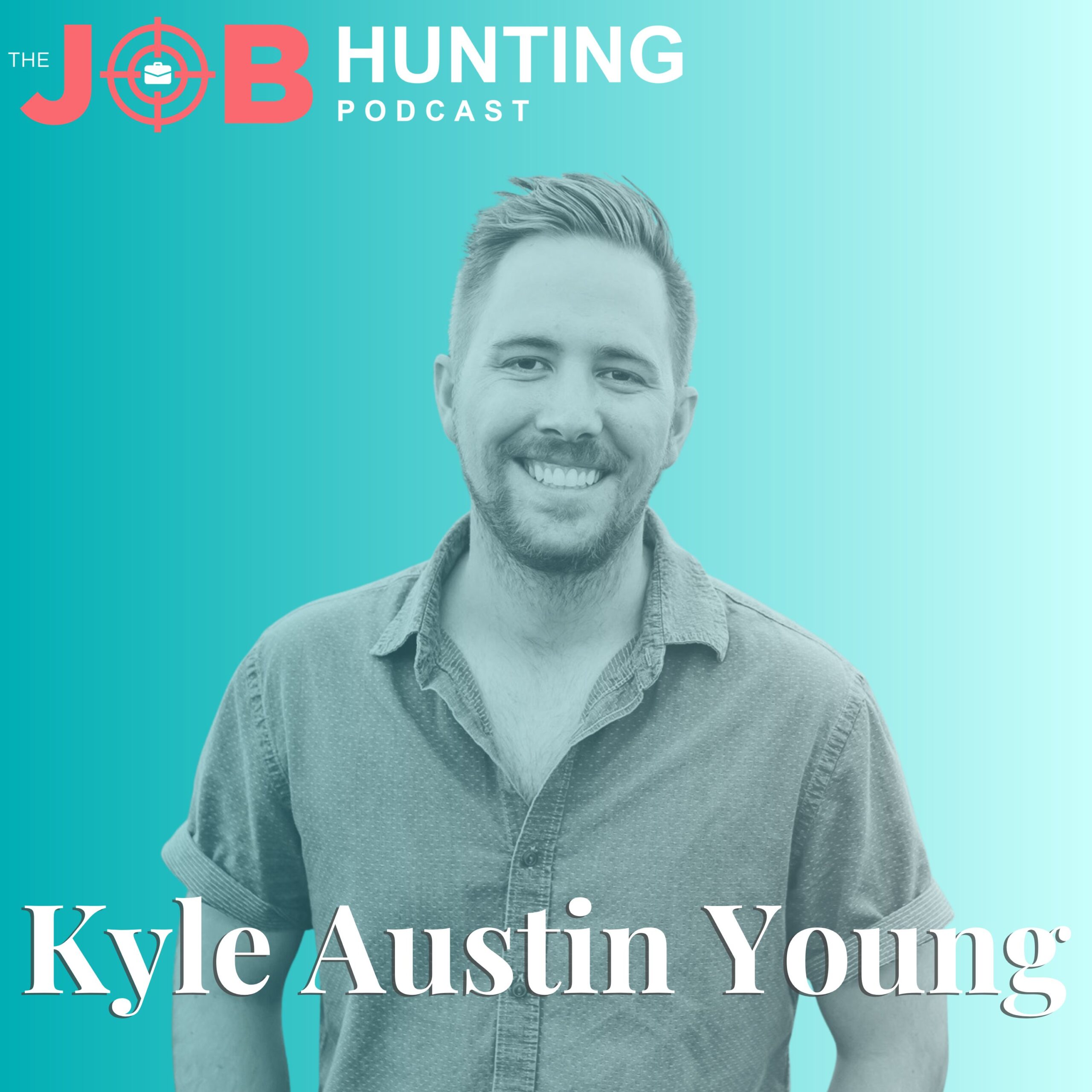
That question was at the centre of my conversation with Kyle Austin Young, the guest on Episode 335 of The Job Hunting Podcast. Kyle is an award-winning strategy consultant and the author of Success Is a Numbers Game: Achieve Bigger Goals by Changing the Odds. He has written for Harvard Business Review, Fast Company, Psychology Today, Forbes, Business Insider, and other publications.
His framework is called “probability hacking.” In a recent Fast Company article, Kyle argues that every goal has two hidden numbers attached to it: the probability of success and the probability of failure. The opportunity, he says, is to increase the first number and reduce the second.
That idea is useful for business. It is also useful for job searching.
When job seekers feel stuck, they often try to increase activity.
More applications.
More cover letters.
More networking messages.
More versions of the resume.
More time on LinkedIn.
There is nothing wrong with activity. But activity without analysis can become exhausting very quickly.
This is especially true now that AI tools have made it easier for candidates to apply at scale. The result is a market where many employers receive high volumes of applications, and many job seekers feel invisible. LinkedIn’s 2025 Future of Recruiting report notes that generative AI is reshaping recruiting by automating time-consuming tasks and increasing the focus on quality of hire, skills-based hiring, and stronger candidate evaluation.
For job seekers, this changes the work.
A generic application used to be weak. Now it is often indistinguishable from hundreds of other AI-assisted applications.
So the competitive advantage moves elsewhere.
It moves to clarity.
It moves to relevance.
It moves to trust.
It moves to proof.
One of the reasons job searching feels so demoralising is that candidates treat each opportunity as a binary outcome.
I got the job.
I did not get the job.
But that is not how hiring works.
A job search is a sequence of gates. First, you need to identify the right role. Then your application needs to be selected. Then you need to pass the screening stage. Then the first interview. Then the second interview. Then perhaps a case study, a panel, references, executive approval, and negotiation.
Each stage has its own odds.
Kyle’s advice is to create what he calls a “success diagram.” Write down what needs to go right, then identify what could go wrong at each stage. In our conversation, he explained that his own career accelerated when he stopped assuming success was only about performance and started asking, “What can I do to put this project, this organisation, or this opportunity in a better position to succeed?”
That question is powerful because it shifts the job seeker from a passive candidate to an active problem-solver.
One clear way to improve the odds in a job search is to reduce the risk the employer feels when considering you.
A referral does exactly that.
Ashby’s 2025 hiring data found that referred candidates were more likely than inbound applicants to be selected for interview and to be hired after interview. In their data, 40% of referred candidates moved from application to interview, while inbound application offer rates had fallen significantly as inbound volume increased.
This is why networking matters so much.
But the best networking is often misunderstood. It is not about asking everyone you know for a job. It is about building enough professional trust before you need it.
Research from LinkedIn, MIT, Harvard, and Stanford on the “strength of weak ties” found that moderately weak ties can be especially useful in helping people find new jobs. Harvard Business School’s summary of the study explains that these connections often provide access to information and opportunities outside a person’s immediate circle.
This matters for experienced professionals because many rely too heavily on their close network. Close contacts may care more, but they often know the same people, companies, and opportunities you already know.
Your next role may come from the person you met at an industry event three years ago. Or a former colleague who moved into a different sector. Or someone who has seen your posts on LinkedIn but has never spoken to you directly.
Weak ties are not weak because they lack value. They are weak because they sit outside your usual loop.
Career change is another area where professionals often think emotionally rather than probabilistically.
They ask, “Should I change careers?”
A better question is, “How can I reduce the risk of this career change before I make it?”
Kyle made an important point in our conversation. A dramatic career overhaul usually has lower odds when the person is starting from scratch. But a series of smaller experiments can make the eventual pivot feel far less risky.
That is exactly what I see in coaching.
The safest career changes often do not begin with a resignation letter. They begin with testing.
Writing about a topic.
Having conversations with people in the target field.
Taking on a small consulting project.
Joining an advisory group.
Speaking on a podcast.
Building a portfolio of evidence.
Learning a new tool through free or low-cost training.
Repositioning existing expertise for a new market.
In one of Kyle’s SmartBrief articles, he writes that people do not always need to beat the odds. Sometimes they need to play them by generating more attempts and learning from the ones that fail.
This is a useful way to think about career change. A pivot should not be treated as one huge leap. It should be treated as a sequence of experiments that build proof, confidence, and optionality.
One of the strongest parts of my conversation with Kyle was our discussion about writing.
Kyle said that when he wins consulting work, clients often mention his publishing credentials. He has written for major publications, and those articles have become proof of his thinking.
This is relevant to job seekers because long-form writing remains one of the most underused career assets.
You do not need to write for Harvard Business Review to benefit from writing. A thoughtful LinkedIn article, a short industry analysis, or a well-structured point of view can help demonstrate the depth of your expertise.
In an AI-heavy job market, this matters.
A cover letter can be produced in seconds. A resume can be polished quickly. But a point of view built from lived experience, professional judgement, and industry knowledge is harder to fake.
For experienced professionals, writing can show:
Your judgement.
Your commercial awareness.
Your ability to explain complexity.
Your values.
Your leadership style.
Your understanding of the problems employers are trying to solve.
It is not for everyone. But for those who can write, it is one of the most efficient ways to build trust at scale.
At the end of the episode, Kyle said something that every job seeker should hear.
When an organisation hires, it is trying to make a problem go away.
The job description may list skills, qualifications, and responsibilities. But underneath those bullet points is a business problem.
The organisation may need better reporting.
It may need stronger stakeholder management.
It may need calmer leadership.
It may need commercial discipline.
It may need someone who can rebuild trust.
It may need someone who can stabilise a team after change.
The strongest candidates do not simply say, “I have the skills you listed.”
They say, “I understand the problem you are trying to solve, and I can help solve it.”
That shift changes the entire tone of an interview. You stop sounding like a candidate trying to be chosen. You start sounding like a future colleague already thinking with the team.
That is how you improve your odds.
Job searching has always involved uncertainty. That has not changed.
But uncertainty does not mean randomness.
The candidates who do best are not always the most qualified on paper. They are often the ones who understand the process, identify the weak points, reduce risk for the employer, and make it easy for decision-makers to trust them.
They do not rely only on volume.
They do not treat every application equally.
They do not wait until they are unemployed to build visibility.
They do not assume that being experienced is enough.
They create evidence.
A good career is not built by avoiding risk altogether. That is impossible. It is built by learning which risks are worth taking, which risks can be reduced, and which opportunities deserve your best effort.
That is why I found Kyle Austin Young’s framework so useful, and I'll certainly be applying it with my coaching clients.
It gives job seekers permission to stop hoping and start designing better odds, which is what my coaching methodology and philosophy it all about..
And in this market, that may be the difference between staying stuck and moving forward.
Hello, I’m Renata Bernarde, the Host of The Job Hunting Podcast. I’m also an executive coach, job hunting expert, and career strategist. I teach professionals (corporate, non-profit, and public) the steps and frameworks to help them find great jobs, change, and advance their careers with confidence and less stress.
If you are an ambitious professional who is keen to develop a robust career plan, if you are looking to find your next job or promotion, or if you want to keep a finger on the pulse of the job market so that when you are ready, and an opportunity arises, you can hit the ground running, then this podcast is for you.
Renata Bernarde (00:00)
I think this episode will stay with me for a long time.
My guest is Kyle Austin Young, an award winning strategy consultant, writer and author of Success is a Numbers Game, Achieve Bigger Goals by Changing the Odds.
Kyle has written for publications including Harvard Business Review, Fast Company, Psychology Today, Forbes and Business Insider.
But what makes this conversation today so relevant to the podcast listeners is not just his credentials. It’s the way he thinks about success, risk, resilience and career decisions.
Kyle’s work is built around a framework he calls probability hacking. The idea is simple but very powerful. Every goal we pursue has two hidden numbers attached to it. the probability of success, and the probability of failure. Most of us never stop to think about those numbers. We apply for jobs, prepare for interviews, consider career changes,
or try to reposition ourselves in the market and we often hope for things to work out.
But see, Kyle argues, and I agree, that we can do better than hope. We can identify what needs to go right, what could go wrong, and then take practical steps to improve our odds. And this matters so much right now.
because if you are job hunting, you already know that the market feels harder than you imagine it would be. Maybe also harder than you experienced a few years ago.
It’s taking longer for experienced professionals to land roles. The application process can feel very opaque. One of the reasons is that automation and AI has changed how people apply and how employees screen candidates like you and how difficult it is to stand out in an application process.
Kyle and I believe that the solution is not about how do I apply for more jobs. The better question is how do I improve my odds of getting the right interviews, performing well when I get them, and making smarter career decisions along the way.
So that’s what we talked about. Kyle shares his own story of being laid off twice early in his career. He explains how that experience changed the way he thinks about job security, career risk, and the danger of relying on one employer or one source of From there we discuss fractional work, consulting, personal branding, writing as a way to demonstrate expertise.
and why long-form thought leadership can still be one of the best ways to build trust in the job market.
We also talked about job interviews and Kyle shares a great story about how he landed a leadership role at only 21 years old by thinking carefully about what could go wrong, then addressing those risks before the interview. And I know you’re much older than 21, but the concept and methodology that he used can be used at any age. What I loved…
most about this episode is that Kyle’s approach aligns so closely with what I teach my clients.
that job searching is not random. It can feel random, but when we slow down and look at the process properly, we can see patterns. We can recycle the work that we’ve done for a job interview or application. We can remove what doesn’t work and improve the odds one step at a time. If you are currently looking for work, planning a career transition or trying to make a big professional decision, I think this episode will
give you a fresh way of thinking about your next move.
And if you need help with your job search, career planning, LinkedIn profile, interview preparation, or positioning yourself for your next role, you can find me at renatabernarde.com. That’s R-E-N-A-T-A-B-E-R-N-A-R-D-E.com. There’s a link in the show notes in this podcast information below.
That’s where you can learn more about my coaching services my courses my newsletter which you can subscribe for free and other podcast Information the library and other resources The link again is in the episode information below. All right, let’s get on to it. Let’s talk to Kyle
Renata Bernarde (04:45)
You mentioned when we were talking just now that you like to tell stories and I want to hear your story. I know that the audience will like that as well. What made you come to write this book? I know that it has a beginning that people will be interested in hearing about.
Kyle Austin Young (04:59)
Sure, I appreciate you asking. I came to this place through kind of a windy road. actually, early in my career, went through a couple of layoffs from leadership level positions. I was ⁓ the product development director at a health organization, and then I was a manager at another organization. And in both cases, I had pretty visible roles. And by some standards, things were going very well, but both times layoffs derailed my career. And the first time my wife and I had just bought our first house, so that wasn’t a great time to lose your job. And the second time we were in the process of adopting
our daughter, which is pretty famously expensive, also not a great time to lose a job. So I found myself still very early in my career, already had been laid off twice, and yet I was well respected in my field after the second layoff. The day after the second layoff, I had four job offers. And so my responsibility was to figure out which one to take, but thankfully some friends were really helpful. One called me, the other took me to lunch, and both of gave the same advice, which was, why don’t you take fractional roles with these different organizations to diversify your income a little bit?
so you don’t keep losing it. So I took that advice and ultimately grew a consulting business out of that. But one of the biggest things that I took with me into my consulting was just the realization from those layoffs that my job security and to some extent even the success of my career wouldn’t be…
totally based on just my individual job performance. To some extent, it was gonna depend on the financial health of these organizations. It was gonna depend on what other people were doing who had nothing to do with me necessarily. And so as I became a consultant, one of the things that became a big emphasis for me was just asking the question, what can I do to make this project succeed? Even if it’s outside the scope of my job description, what can I do to make this organization succeed? What can I do to put us in a position to be successful so that I can continue to be employed here, continue to have this contract? And so that led to this…
model of understanding and trying to change the odds of success for a major goal. And ultimately that went very well, grew the clientele. You know, I’ve been consulting for over 10 years that led to writing opportunities like Harvard Business Review, Forbes, Psychology Today, thankful for all of those. And then ultimately I finally had the opportunity to kind of share the whole framework in the book. And that’s been a lot of fun. And so been an opportunity now to
I have people who maybe it wouldn’t make sense for me to work with them. I’ve had to get pretty selective over the years, but I’ve always wanted to be helpful when I can be. And so this has given me the ability to put something in people’s hands that explains how I think and gives them a real opportunity to better understand what it would be like to work with me personally. And ultimately, think empowers them to kind of consult on their own business. And that’s what all of us are really looking for or consult on their own lives. If it’s, you know, just an individual who’s pursuing personal goals. I think that’s what all of us are looking for is how do we think strategically? How do we put ourselves in a position to get more
of what we want.
Renata Bernarde (07:36)
Hmm.
there’s so much to unpack here. From the beginning when you said your network told you why don’t you take fractional roles instead of a permanent position in one place That is already something that for my clients is such a tough call to make. You know, they are they romanticize and they’re enamored by the idea of having fractional appointments, but they really struggle with ⁓
the idea of being freelancers, the idea of having total control over the clients that they get, you know, it’s a tough one. Did you feel that difference between a permanent role where you get your salary no matter what, there’s a risk of you being made redundant versus having to go after clients and market yourself and sell yourself? How did you transition from one to another?
Kyle Austin Young (08:29)
I didn’t necessarily have the same angst because I wasn’t leaving a life of stability. I was leaving a life where I’d been laid off twice in just a couple of years. And so that W2 relationship had never really worked for me. And so that’s not to say that it couldn’t work for other people, but when you lose a couple of jobs like that, very suddenly it, you know, it didn’t feel like I was leaving a place of stability to go to a place of instability. It felt like the opposite. It felt like I was leaving a place of overexposure, you know, too much
reliance on a single source of income to ultimately be in a position where I had some diversification. So my experience may have been a little bit different. ⁓ In terms of marketing and promoting myself, one of the things I’ve been really fortunate in is because I’m so focused on trying to help my clients succeed, I really haven’t done any marketing. I think the first time I spent any money that could be called marketing was when my book came out, know, 10 years after I started consulting, I hired a PR firm to help me get the word out about the book. So I guess that could be considered some marketing dollars. But with that
exception, I’ve never really paid to market my services. I’ve done a good job for the people I’ve worked with. That’s led to word of mouth and a lot of referrals and that grew and grew. then ultimately I ended up in a position where I got to kind of pick the clients I wanted to work with.
Renata Bernarde (09:41)
that’s wonderful. Good for you. Did you have at the beginning when you decided to work for yourself some pushback from family or friends that were concerned for you to go down that path?
Kyle Austin Young (09:54)
I don’t recall
that being the case again because I was respected in what I did. had four offers the day after I was laid off. So, you know, I know that most people would have a more difficult.
Renata Bernarde (09:58)
Yeah.
Kyle Austin Young (10:04)
transition than I did, but it put me in a pretty strong place. And that’s not to say that it wasn’t nerve wracking, but it was, but I wasn’t exactly just jumping into the unknown. I was starting from a place of knowing that there were people who wanted to hire me and that put me in a pretty good position. I was in one of my later leadership roles. I wasn’t able to consult and I had people who were interested in bringing me into consultant. That was just part of my terms was that I couldn’t do that. So when the terms went away, you know, that gave me an opportunity to call some people back and say, Hey, let’s, let’s revisit this.
Renata Bernarde (10:32)
Okay. All right. So let’s talk about how to improve people’s career success, the odds of doing that. Yes.
Kyle Austin Young (10:41)
Yeah, can I tell a story about that? I think this is one that might
be kind of a useful way to sort of set the table. So I mentioned that I started my career. had a department directorship. I was the director of product development for a health organization. And what I didn’t mention is I was actually 21 years old when I got that job. It was very bizarre. I was, you know, a recent college graduate and I had the opportunity to apply for a lot of different.
entry level positions and I just wasn’t very excited by them. And so I ultimately decided I was going to put my name in the ring for this product development director role and I got an interview. And I think some of that was just, it was an organization that was a little bit outside of town, a little bit rural. Maybe that put me in a position that they were a little bit more willing to take in an interview that
would have been kind of non-traditional given that most of my competition was much, much older and more experienced than I was. If I got the job, I was going to be managing people in their 50s, 60s and 70s. You know, I was a 21-year-old college graduate. But ultimately, I did what I do in my book. I knew that I had a chance and I wanted to do everything I could to tilt the odds in my favor.
My basic model of probability hacking is when there’s a goal you want to achieve, you make a list of everything that has to go right, and then for each thing that has to go right, you look at the things that could go wrong, and you try to use your creativity to reduce the odds of the bad outcomes, which then tilts the odds in your favor. At this point, since I already had an interview, all I needed was the offer, and so I sat down and asked, are the three biggest reasons I might not get this job? The first one that I identified was I was worried that I was going to walk in and they would just take one look at me and say, oh, he’s too young, he can’t possibly do this.
the question, what can I do about that? I wasn’t going to lie about my age. I couldn’t get older overnight, but I could make, you know, just a little change that might take a little bit of the edge off. And that was I grew a beard and that allowed me to walk into that situation looking a little bit older and looking like, you know, maybe I was even older than I actually was. And that put me in a position where that took some of that.
Renata Bernarde (12:23)
Thank
Kyle Austin Young (12:30)
tension and stress away from the hiring managers, I think, and allowed me to kind of get in the door and start having the conversation. The second risk that I identified was that there would obviously be concerns about my lack of experience, which was valid because I did have a very limited resume. I’d just graduated college and now I was potentially going to be running a department. And so I wasn’t going to lie about my experience. I couldn’t conjure new experience overnight, but I could kind of redirect the conversation to instead of being about the past, be more about the future. So I actually sat down and I typed up a plan for how I was going to turn the struggling department around.
When I was done, it was so thick, I had to it spiral bound. It was a book. I took many copies of that with me and I gave them to everybody I met with. When I was in interviews, when someone would ask me a question about my resume or about just my limited experience in the workplace, I would then redirect the conversation to be about some aspect of my plan and say, that’s a great question. It sounds like what you’re concerned about is the issue of whatever the case may be, accountability. Let me talk to you about some of the systems I want to put in place to create more accountability for this team. That, again, kept the conversation
Renata Bernarde (13:18)
and
Kyle Austin Young (13:29)
going, the third and final risk identified was that they might just be concerned I couldn’t fit in with this team because there was just such a generational gap. I was going to be managing people at that time my parents age, my grandparents age.
And so I used a trick that I’m still using today. I asked if the team had read any books recently as a group and they sent over a few titles. So I went out and read every single one of them. And when I showed up, it put me in this position where I knew the company’s frameworks. I knew their jargon. I knew their goals. I knew the different ideas they were considering. And I remember I was in a group interview. It was me head to head against some of these other candidates for this directorship role. And they were all much older than I was. And one of the books the team had read was called The Wuffy Factor. And I don’t think a lot of people are currently still reading The Wuffy Factor.
but it was a book about how brands generate social capital and somebody suggested an idea and I said, you know, I think that’s the kind of idea that could get us a lot of wuffy which just meant, you know, earning trust in the market as a brand and the other candidates their eyes were bugging out of their heads. What on earth did he just say? What is this crazy word? You know, is he has he gone mad? But then I looked at the existing team members and they were all laughing and nodding along because they knew exactly what I was talking about. We were reading the same books. So when all was said and done, I got that job offer and I took it and that dramatic
accelerated my career, where even when I did get laid off, I then went to another leadership position. I didn’t go back to an entry-level position. And then when I got laid off from that job, at that point I was so visible and so respected for what I’d done that I had four job offers and I got to take on fractional roles. So that’s kind of my general model. My book is about how to accomplish big goals when the odds feel stacked against you. And ultimately I try to tell people that if we can identify the things that might go wrong and use our creativity to take the risk out of those,
potential outcomes, then we can ultimately tilt the odds in our favor. So that’s been one of the ways that I’ve accelerated my career.
Renata Bernarde (15:11)
This story is making me think that one of the things that you can do to remove the things that might go wrong is to deep dive into a job application. what I have found from my audience is that they are tired of doing that. know, they are going at, especially with the help of ChatGPT and Claude and AI, they are applying for jobs at scale, which doesn’t allow them.
to do the deep dive that you’ve done to get that job. ⁓ I’m 100 % behind you. That’s what I tell people to do. How would you address that if somebody said, if I had to do that for every job that I apply for, there wouldn’t be enough hours in a day.
Kyle Austin Young (15:58)
Well, I didn’t do that at the application step. did that at the interview step. I would say that the close, one of the things I teach in the book is just the closer you get to your finish line, the better your odds of success. And there’s a very clear mathematical way to show that. But essentially your odds can be understood as everything that has to go right. The odds of each of those events multiplied together. So every time you accomplish a step in the process, that comes off and ultimately your numbers can change really significantly. at that point I had an interview, I just needed an offer. So I would encourage
Renata Bernarde (16:02)
Okay.
Kyle Austin Young (16:28)
I people to prioritize opportunities where it feels like there’s a real chance that this might happen. And for me, that usually means waiting until I’m offered an interview. Now, granted, there’s also things you can do to try to improve your odds of getting an interview, but I just want to be clear that, yeah, I’m not suggesting you write a book for every job you apply for. That was a pretty specific thing that I did when I knew that I had a really good chance, if I could just get it over the finish line.
Renata Bernarde (16:50)
So how do you improve the odds of getting an interview? How would you do it if you were looking for a job today?
Kyle Austin Young (16:55)
For me, think one of the biggest things you can do, and this has been helpful in my career, is just do everything you can to invest in a personal brand. You’re trying to find ways to stand apart. You’re trying to find ways to make the decision easy for a hiring manager to say, sure, let’s bring this person in. I recently was awarded a really big contract with a research firm, and I knew they were interviewing some other people that were just as prestigious as I was, maybe more so. And after I got the job, this is a pretty common thing for me as a consultant, is when I get…
Hiring thing when it’s over I go back and I say, know what what made you choose me? Gives me a little bit of insight into their thought process and they said for them one of the biggest things that differentiated me was my publishing credentials and that’s not my book that’s you know writing for sites like Forbes or fast company or psychology today and a lot of people are surprised to learn that’s a very achievable goal very achievable goal when I Started writing for these sites. I’d actually just been through one of those layoffs. I didn’t have any big credentials I don’t have you know a creative writing degree or anything like that. I would don’t have a PhD. I was unemployed
and I was writing for these websites and that’s one of the things that set me apart today. I think trying to grow, you know, a significant platform on LinkedIn, think trying to write for these different publications, maybe go on some podcasts, all of those things demonstrate the ability to lead to some extent, the ability to accomplish things that are difficult and they set you apart and ultimately it makes you look like somebody who has the potential to be a real peak performer. And I think that when a hiring manager is on the other side of that equation, kind of trying to guess at which one of these
written by chat GPT might lead to the best candidate. It’s when they see those things that come with more real-world credentials that we know to some extent you can’t fake that ultimately you can earn some trust.
Renata Bernarde (18:32)
I 100 % agree. think long form writing is perfect for validation of your expertise. So if you can showcase that you can…
write about ⁓ your expertise in long form and it could be even a LinkedIn article it doesn’t have to be ⁓ published. mean if people are in a hurry usually they are in a hurry if they’re working with me trying to find a job. I’ve had clients be very successful with LinkedIn articles so I’m happy that you’re validating what I’ve been teaching.
Kyle Austin Young (18:49)
Sure.
When you mentioned being in a hurry,
my advice to people is I recognized I was unemployed when I started doing this, but you don’t have to be unemployed to start doing this. if you’re comfortably employed right now or after you get that job that you’ve been looking for in a hurry, continue to do this, continue to build out some of that platform. Because like you just mentioned, if you can demonstrate in writing that you’re smart and you understand your industry, at that point, it almost just becomes an issue of character. And so as long as you have the ability to show up with integrity and demonstrate that you’re somebody they can trust, then you’re going to be in a really strong position.
Thanks to AI, certain playing fields have been leveled. Everybody can write a cover letter in a second and it doesn’t really even give you a reflection of their own thinking and we know that. So we have to look for ways to stand apart ways that we recognize aren’t things that could be done in a moment by AI and forming relationships with editors at big publications is a great example of that. It’s just not something that AI is going to be able to do for you. It could still be a tool that might support you, but it demonstrates that you have some follow through.
have some thought leadership and that there are other people out there who took the time to listen to your ideas and they came away impressed. So maybe the hiring manager should give you the same chance.
Renata Bernarde (20:11)
Well done, Kyle. The other question I have for you that I think will really resonate with a lot of people is how can people know whether a career pivot will be successful or how realistic is it to want to change your career completely, go from what you were doing in corporate to being a consultant, for example, is a great pivot.
Kyle Austin Young (20:37)
I think something about me, I recognize there
are organizations where the culture can be a little bit more espionage driven, but I always have the conversation. You can call me and ask if I want to be a park ranger and I’ll still have the conversation because I like to know what’s out there, I like to know what my options are. so I think that…
can be a helpful thing because ultimately, if you’re trying to make a career pivot successful, a lot of it comes down to just the odds of success at the new field. And so if an opportunity comes to you where it makes a lot of sense, then you, I think, should seriously consider it. I had a few different…
news outlets that when I was launching the book, what they wanted to ask about, think the Wall Street Journal was one, that their editors said, we’re thinking about putting a piece together about the dangers of switching roles. You might end up in a new organization and then what if you’re laid off as a part of a restructure? Maybe there was more security in your old role. How do you insulate against that risk?
To some extent, think one of the smartest things you can do is if you find an organization that seems to be doing well right now, that would be a good time to jump because it gives you the opportunity to be there long enough that if there is sort of a last in first out style layoff, hopefully you’ll have some insulation before they get to the place where they do need to trim the fat, so to speak. That is, think, one way you can mitigate risk. Ultimately, I would encourage people to recognize, like I’ve said, I think there’s just this myth. I’m not telling you go quit your job, but I do think there’s this myth that
W-2 employment is just this beacon of stability. And that’s just not been my experience. I was laid off twice. you know, I had a family member who was in a CFO role at a very prestigious company laid off from that role very unexpectedly after a leadership changed, leadership change. I’ve watched plenty of friends be laid off. so I think historically there’s been this idea that
Renata Bernarde (22:00)
Mm-hmm.
Kyle Austin Young (22:14)
you’re loyal to your organization, your organization’s loyal to you. I don’t think we’re seeing as much of that organization being loyal to their employees. We certainly can look at the news right now, in the tech space in particular right now, and see how AI is disrupting job security. So I don’t know, I think some of that’s leftover thinking. It’s certainly possible to make a bad decision and go from a good situation to a bad situation. I’m not saying that all change is good change by any means, but I would encourage people to question the idea that…
You know, if I have an existing job, I should be afraid to ever change careers or even just change positions because it’s somehow this great example of security. To some extent, if you are disillusioned with your current job, your performance is going to suffer. And I would argue that that alone increases your risk of it not being successful long-term. So I think you need to think about that.
Renata Bernarde (23:02)
Yeah, no, you’re right. And ⁓ what I… ⁓
Kyle Austin Young (23:06)
I will say, I do think differently in my 30s than
somebody older would because I’m probably decades away from retirement. So you know, if you’re 10 years away from retirement, maybe you have a different outlook, but I just want to call that out.
Renata Bernarde (23:14)
That’s a good point. But even later on, I ⁓ abandoned my corporate career and started consulting and then coaching just before the pandemic. I took a major risk. didn’t have a job offer like you had, but I had some very good leads right after I was laid off from my role. And I still decided to ⁓ do my own thing. And I took a huge risk.
which impacts not just myself, but my husband and my family and so forth. And I found out later that the kids and my husband had a bet of how long this would last. They thought, no, she can’t. The podcast is going to be so much work. She’ll do four episodes and run out of steam. And here we are, episode 300 something. ⁓ But they are great supporters. They were supporting me in this
Kyle Austin Young (23:54)
⁓ my goodness.
Renata Bernarde (24:12)
project, but not necessarily ⁓ believing in it ⁓ as much as I was, which I think is very common when you tell your family that you’re going to abandon something, you know, the sunk cost of, you know, you abandoning a career that you’ve built ⁓ to do something entirely different in my case is a little bit riskier. Whereas you were bringing up some of the…
knowledge that you build in your career into your consulting, is something ⁓ that makes sense.
Kyle Austin Young (24:43)
It was maybe a little more seamless. know, I’m a big fan of the word experiment. And so I think that’s what I would encourage
people with. There’s this narrative now that, you know, we need to overhaul our lives or we need to hit the reset button. That is typically going to be something that’s going to come with low odds of success to kind of bring this back to my expertise. If you are starting from scratch with no advantages whatsoever, that’s not a goal that we would expect to succeed. In my case, I went from being an expert at
what I did for a living to still being an expert at what I did, but just doing it with four different organizations who already wanted to hire me. Very, very low risk transition for me. But there are steps you can take to try to put yourself in that position. By that time, I was a writer for Harvard Business Review and Forbes and Psychology Today. That was helpful. I had lot of connections. I had expertise. And so that translation wasn’t that difficult. The same thing was true when I went out to get this book deal. It’s incredibly challenging to get a significant book deal now, especially in the business space, because there’s just so much competition.
wasn’t all that difficult for me because the same thing, I was able to show up and say, here’s all of my writing credentials, here’s my reach, here’s my expertise. And at that point, it really wasn’t that hard to convert that into a really nice book deal. And I’m still very thankful for that. But what I want people to understand is when you start collecting some of these advantages now and start accomplishing some of these smaller goals, you can put yourself in a position where a long list of bigger goals come in reach. One tip that I kind of recommend for people, because I’m sure I’m not the first time that you’ve heard the idea.
of like, let’s look into platform building or getting some credentials or let’s try to form the connections that might open up new opportunities for us. But what I would encourage you to do.
is make a list of every goal that you’re considering pursuing that has any connection at all to your professional life. What are the certifications you’re thinking about getting? What are the writing outlets that you’re considering pitching? Whatever the case may be, make a list of every single one of them and include your little goals and include the big ones too. Then after you have that list, sit down and reorder it based on how likely you think you are to be able to accomplish that goal. Start with the ones now at the top of the list you think are the most likely. These are just almost a guarantee that if you apply yourself, this can happen. Then work your way down at the
very
bottom are the goals that currently feel the most speculative. If you have a list like that, what you’ll usually find is that there’s kind of a relationship between the top half of the list and the bottom half of the list. If you were to accomplish some of the goals at the top half of the list, some of the goals at the bottom half of the list would start to look more doable. They wouldn’t feel so out of reach. And I find that when we have that hierarchy, we can then start working through our goal list. And ultimately, as we work our way down, we usually have the kinds of odds we need to make a more realistic shot at the bigger goals.
puts us in a position where we’re getting stronger as we go, so to speak, just like somebody who’s trying to build muscle, they’ll lift gradually heavier weights, and over time that gets them to really heavy weights. We can do something similar with our goals. If we jump straight into the deep end of the pool and try to accomplish something incredibly difficult, maybe that’s overhauling your entire career, entire life, our odds of success aren’t usually going to be that good. But if we’re making a series of smaller changes, we can put ourselves in a position where by the time we make the pivot, it maybe doesn’t even feel that much like a pivot because we have so much in our favor.
That’s the position I like to be in.
Renata Bernarde (27:42)
I agree.
I love that. And I’m going to add, and I want to hear what you think about this. Making that list is a really important part of career planning and design, but also thinking if I do this, am I over capitalizing on my career right now? Is it too much? And I say this because a lot of people listening to this podcast are unemployed. And the fact that you…
Kyle Austin Young (27:48)
Yeah, please do.
Renata Bernarde (28:07)
don’t have a job now doesn’t mean that you have to go and do your MBA or you know a really difficult complex ⁓ upskilling or reskilling program it can be something quite simple to do that you are overlooking because it’s too simple. One of my biggest success last year was a client that spent six months before he engaged me as a coach he spent six months just studying AI
Kyle Austin Young (28:12)
Sure.
Renata Bernarde (28:30)
He didn’t spend a cent. He just did everything that was free out there. And there’s so much free stuff that’s, you know, Microsoft and OpenAI and every, every organization tech, large tech organization has a free course or something. And he did all of those and more and then came to me and then got two job offers about a month and a half after we started working together. So
Kyle Austin Young (28:51)
Wow.
Renata Bernarde (28:53)
I sometimes think that people overthink and over capitalize while they are unemployed, whereas those big chunks of learning, like doing an MBA, are better done when you’re actually employed.
Kyle Austin Young (29:05)
I think that’s absolutely true and you know what I would encourage people to do is exactly like you’re saying is if there’s a thought of you know maybe an MBA would be helpful to me ask the question why what what problem would maybe be solved by me having an MBA well it would differentiate me in the hiring manager’s eyes great so that’s the real thing what we really need is we need a way to differentiate ourselves that’s why you were drawn to that idea but that’s just one idea to address that problem so then the question becomes if the real issue is how do I differentiate myself in the hiring manager’s eyes what’s the
Easiest fastest way to actually accomplish that you know in my case I wrote a book for one job that I interviewed for that was a significant undertaking But it wasn’t as significant as getting an MBA I have a family member who got a master’s degree from Harvard and that master’s degree from Harvard brings a lot of Credibility and certainly bring some differentiation. I’ve been able to get some of that same brand I guess Association just by writing for Harvard Business Review, and I didn’t get a master’s degree. I didn’t move to Cambridge, Massachusetts I wrote one article at that time for this
publication and ultimately was able to capitalize on some of that same trust that the Harvard brand name is built over the years. So if there’s something that you think would be useful to you, ask the question, why do I think would be useful? Figure out that underlying need and then go back to what I talked about earlier. Make a list of all the ways you think that you might be able to solve that problem, reorder them based on the ones that are most likely, and then put yourself in a position where you’re ultimately choosing the most reliable path to getting what you want. And as I mentioned, the great thing is when you have what you want, it usually changes your odds at subsequent goals.
Renata Bernarde (30:10)
Thanks
Yeah, that’s a great example. I want to also address ⁓ the fact that some people are going through this job search period for an extended amount of time this year compared to maybe two, three years ago. How do you think that your ideas can help them identify where the weak link is for them? Because even though ⁓ what I tell my clients is, the job market is harder,
the supply demand has shifted, it will be harder for a lot of people to find a job. What I want us to do if you’re working with me is to put you on the top 2%, 1%, right? There will still be people that get that job and I want that person to be you. So that’s what we’re trying to do when we’re accelerating things by this coaching agreement. Otherwise, why would you hire a coach? The whole point is to speed up that process.
Kyle Austin Young (31:16)
Mm-hmm.
course.
Renata Bernarde (31:28)
But for those who don’t have a coat, what would you say they can do to identify maybe the bottleneck?
Kyle Austin Young (31:36)
So I encourage people to create what I call a success diagram. I write out everything from left to right that has to go right in order for me to get what I want. And then ultimately for each thing that has to go right, I try to make a list of the things that could go wrong. And so the idea is basically if I were to flip a coin and I call heads, I have a 50 % chance of winning the coin toss and a 50 % chance of losing. And the reason for that is it might land on tails. That’s my potential bad outcome. So I don’t know how you would do this with a coin toss, but in life, if we can identify our bad outcomes, we can usually use our creativity to try to
take some of the risk out of those. And I gave some examples earlier of how I took some of the risk out of how young I looked. I grew a beard. I took some of the risk out of how flimsy my resume was. I wrote a really big plan, which was a document that kind of resembled a resume, but it was about the future instead of about the past. I took some risk out of the fact that there was a big generational gap and the hiring managers might perceive that I wasn’t going to be able to get along with this team. I did that by reading the books that they had read so I could speak their language and build some connections that way. So ultimately, I encourage you, if there’s a job that you want,
Write down what are the things that they’re gonna have to see in me or believe about me in order for me to get this job and then what are the biggest reasons they might not for each of those and then your job is to try to use your creativity to crush those objections because ultimately Applying for a position is selling and it’s been said that selling is overcoming objections I kind of argue in my book that in many ways trying to accomplish any goal is overcoming objections I like to kind of use the analogy and I’m mostly just being silly but the idea is when there’s something that you want life or reality has objections
to that, you know, because it comes at an opportunity cost. But if you accomplish this, here’s all the things that don’t get to happen because you accomplished it. So your job is to overcome those objections. You take the risk out of your bad outcomes and put yourself in a position where you can ultimately be more successful. There are some things you can do that are more generalized. Like I mentioned, I think building that platform, finding ways to differentiate yourself in an age of AI by doing things that AI doesn’t do or that we don’t allow AI to do would probably be a better way to say it is
a good step that you can take at any time. But then there are also steps that are more goal specific. And that’s why I think the success diagram is relevant to people who are job hunting is what are the things that are going to have to go right for me to get this job? Maybe it’s I’m going to need a referral. That might be one step. OK, let’s start making some of those connections now. Let’s consider getting on maybe like LinkedIn sales navigator, finding the people who work for a specific organization, a specific department. Incredible filtering power with LinkedIn sales navigator. Let’s start making some of those connections. There’s certainly been research about what’s called the strength of
weak ties. If I have a big existing network, is it possible that they might want to help me in hopes of the reciprocity that someday if they ever need me, I could help them. That typically works better than we often expect. And so I think there’s opportunity for that. But ultimately it really comes down to identifying for me to accomplish whatever the goal is, what are the things that have to go right? What are the things that could go wrong? If I use my creativity to take the risk out of the things that can go wrong, I tilt the odds in my favor. That doesn’t mean you’re going to succeed every time. Ultimately, it’s still a
numbers
game I talk in my book about the power of repeated attempts we look at some of the most successful entrepreneurs a lot of are the people who would hear a stat like nine out of ten businesses fail and come away with the thought okay so if I start ten businesses I don’t have to beat the odds I can play them and there’s some truth in a lot of different goals that stems from that same idea it doesn’t mean that you’re going to succeed every time but if you go from being somebody who could succeed to somebody who should succeed in the context of a single goal it can certainly change your outcome but over the context of several
goals we really do expect it to change your life.
Renata Bernarde (35:00)
That’s interesting and Kyle, you have a very big newsletter that you write. Is it weekly? How often do you send out your newsletter?
Kyle Austin Young (35:10)
I mentioned I’m in a transition right now. I’m trying to move from one platform to another, and so right now it’s a little bit sporadic, but historically it’s been weekly.
Renata Bernarde (35:16)
Okay. But I noticed that your LinkedIn activity is not… you’re not there every day, right? So you have 20,000 followers on LinkedIn, way more newsletter subscribers. How do they find you?
Kyle Austin Young (35:30)
Well, I’m not job hunting. I’m in a very different position in the sense that as a consultant right now, especially with the book coming out, my focus is a little bit different. So I don’t know if it’ll be a perfect ⁓ analogy, but I do think that, so the question is ultimately how do people come across my brand? Right now, one of the biggest ways that people are…
Renata Bernarde (35:33)
Yeah.
Kyle Austin Young (35:49)
getting to know me better is the podcast that I’m going on. I think that this has been a really fun opportunity. I’ve had the opportunity to do around 60 shows over the last few months. And so that’s been a big source of outreach. And so one of the reasons I don’t post on LinkedIn is at the end of every podcast, I tell people, if you want to connect with me, send me a private message on LinkedIn, and then they do that. And so that’s where a lot of these conversations are happening. I’ve struggled to get the organic reach on my…
LinkedIn posts that I used to. And so you can put things on there and there’s little games you can play to try to get the algorithm more on your side. But they just, and they’ve actually said this publicly, they just don’t, or that’s my understanding is they’re just not really kind of trying to play the viral content game as much. seem to be more focused on professional networks. So that’s, think one of the things that’s been helpful for me, but I would argue that having a big LinkedIn following is still a demonstration of authority, regardless of how often you’re posting. So, you know, there’s an opportunity to maybe meet some people through your content, but there’s also an
Renata Bernarde (36:27)
No. Yeah.
Yes.
Kyle Austin Young (36:42)
opportunity to just demonstrate I’m someone that people listen to.
Renata Bernarde (36:42)
Mm-hmm.
Yeah. Do you use other social platforms as well? Are you X or Threads?
Kyle Austin Young (36:50)
⁓ Twitter account
from years and years ago that I don’t ever post on. I’m really not a big social media guy. Again, most of my clients have come through referral, which I’m very thankful for. I recognize that’s not the case for everyone, but it’s been a helpful thing for me.
Renata Bernarde (36:54)
Yeah, no.
Mm-hmm.
Yeah, no, I asked this because you mentioned Sales Navigator and I was wondering if you use it. I think that there is an opportunity here for those who are listening who want to be portfolio professionals or freelancers or have their consultancies to really think how they’re going to show up. ⁓
Kyle Austin Young (37:08)
I do use Sales Navigator and Dripify and those tools. I’m familiar with all those, yeah.
Renata Bernarde (37:26)
and build their brand. If they are comfortable with writing, then it could be writing, but if they are not, then there’s other ways of doing it. Speaking engagements, short form ⁓ posts on LinkedIn. Sometimes I’m working with a client and I will say, maybe access more for your field of work, your industry. Let’s say if they are journalists or then maybe Twitter is better than LinkedIn. don’t know. So we need to identify, maybe test
Kyle Austin Young (37:36)
Sure.
Renata Bernarde (37:55)
those two platforms and see what works best. ⁓ So I wondered if you had sort of done that as well.
Kyle Austin Young (38:03)
I don’t think I’ve ever tried to do a breakdown of, which platform correlates best with specific professions. But I do want to say that I don’t think it’s either or. I had an agreement at one time that made it where I couldn’t consult or freelance while I had that position. But I do think there is some wisdom in having a little bit of a portfolio, even if you do have a W-2 job, because it gives you some of that flexibility where if you ever did want to make a transition, you’re not starting from zero. If you were ever forced to make a transition, you’re not starting from zero. And so I encourage people to have…
Renata Bernarde (38:07)
Mm.
Mm.
Yes.
Kyle Austin Young (38:31)
some kind of extra income stream just based on my personal experience of having been laid off twice. Even if you do have a full-time role, I think there’s value in that. And I ultimately think that it, again, gives you a little bit more leverage if you ever did want to reinvent your career.
Renata Bernarde (38:46)
Yeah, I have been encouraging my clients to seek out opportunities as podcast guests if they have the thought leadership to develop those opportunities. I’ve been telling them that they should seek out even if it’s to test the waters and see how
much they like it, you know, being a guest on a podcast and that’s one of the things that they could try out. ⁓ The other thing, it’s just trying to find different ways of networking and build connections at scale ⁓ that don’t feel too salesy, that doesn’t feel like you’re selling ⁓ at scale your services.
Kyle Austin Young (39:28)
One of my favorite
things when it comes to prioritization is I want to look for activities that maybe help me accomplish a variety of goals at once, or at least serve me in more than one way. And that’s one of the great things I think about going on podcasts is it’s an opportunity, yes, to get some credibility, to get some exposure. It’s also an opportunity just to practice the skill of thinking on your feet, of communicating clearly, of refining some of the stories that you might want to tell. True stories, but still practicing them and being able to tell them in a way that resonates. I find that to be really useful.
I’ve gotten myself into so many opportunities and out of so many messes just by being able to show up and communicate clearly. I remember an internship I had, this was years and years ago, so guess this is before the podcast, but.
I’d been hired by a major soft drink manufacturer. Everybody would know the name, but I’m just not going to say it here, but one of the most famous soft drink manufacturers in the world. And I had this opportunity to try to introduce a new line of product to the specific demographic. And there was a person who I was going to almost have to have their help in order to reach the specific community. And I remember showing up at their office one day, they were busy and they said, I need to go copy some things. And they were headed down the hall. And I just said, no problem. I’ll walk with you. And in the context of walking from that person’s office to the copy machine,
I won them over, everything was great, got everything I wanted, but they were headed out the door. was like, I don’t want to talk to you. And so if you’re in a position where that is alarming or that’s something that of intimidates you, you’re going to be in a tough spot. I think in that case, I owed that to just some commission-based sales very, very early in my career, like when I was a college student before I’d even graduated, that taught me it’s okay if people seem a little flustered at first, just be friendly.
ask a good question that gets them talking. I think podcasts could do some of that same thing when you’re practicing having conversations in a somewhat high stakes environment. You know, you can edit podcasts, but it’s still a little bit different than just talking to somebody on the phone.
It puts you in a position where when you’re in that interview, you’re a little bit better prepared to answer questions in a way that sets you apart because you’re not just giving one word answers. You’re ultimately kind of telling a story about you and what you want to accomplish. I see questions in many ways, just as kind of a suggestion. Don’t go off topic, but if you have the ability to tell a great story or to demonstrate your expertise and still connect it back to the question you were asked, do it. And I think podcasting helps you prepare for that.
Renata Bernarde (41:41)
Yeah, that’s good. And that kind of leads me into thinking about what can happen when the outcome doesn’t go your way. Right. So, yes, we’re working very hard to change the odds and make this whatever we decide to engage in a project, a job search to make that successful. But we have a chance here of it not going our way.
Kyle Austin Young (41:51)
Hmm.
Renata Bernarde (42:09)
So what should experienced professionals prepare for when they’re going through job interviews, salary negotiations, or a board presentation, or a career change for the odds not going their way?
Kyle Austin Young (42:23)
in terms of how do you recover after maybe you thought you had a good chance and it doesn’t work out. Well, there’s going to be some disappointment that comes with that. I think the two things I encourage people to think about are one, recognize that success is a numbers game. I tell the story in the book of Thomas Edison. Thomas Edison was in a race to try to invent this incandescent lamp and there were several people attempting to do it. It really came down to finding a practical filament, something that could…
Renata Bernarde (42:25)
Yes.
Mm.
Kyle Austin Young (42:46)
burn hot enough to glow and incandesce without catching on fire and burning your house down or extinguishing so quickly that it wasn’t worth the hassle. And so he’s in a race trying to find a filament that works ultimately to get a patent that would then protect it and give him this big advantage in the market.
And what he did that was different, it wasn’t that he was necessarily smarter than everyone else. It wasn’t that he necessarily had, you know, some inside edge on what the best filament was. He just experimented with 6,000 different plant materials. And he ultimately found that carbonized bamboo was the one that would glow the longest and incandesce without catching on fire. The different parameters that he needed helped him get some valuable patents and really accelerated his career. So recognizing that success is a numbers game to some extent. And when we…
have a failed attempt that doesn’t mean that we need to question everything or rethink. ⁓
We don’t need to overhaul our lives. Just like I said, in the case of entrepreneurship, if nine out of 10 businesses fail, one out of 10 businesses succeed. And so we recognize that what’s ultimately being said is for every 10 new businesses, we expect a success. so I’m not, certainly our odds can fluctuate goal to goal. I’m not implying that they don’t, but when we realize that, I think it makes it easier to just keep applying, recognizing that we don’t always have to beat the odds. Sometimes we just have to play them. We have to kind of get the number of attempts in to put the odds in our favor and make it where
we actually expect a success to happen. So I think that that’s an important part of this. Also, when it comes to failure, you know, a lot of people after something goes wrong in their career or just in their lives, they kind of try to distance and distance themselves from it. Excuse me. There can be some embarrassment. There can be some disappointment. They kind of want to move away from those seemingly negative emotions. But I encourage people to do something a little different. And I think the success diagram helps if you’ve made a list of everything that has to go right in order for you to get what you want.
You can now look back and what things did go right? What things did I successfully probability hack or what advantages did I get along the way? And can I repurpose any of those advantages? Is there anything that came out of this? Were there any new relationships that I could now go back to through this journey and see if that would change my odds at getting a job at another organization? Were there any insights or learnings? Was there a strategy that paid off for me that I could then go and ultimately try to put to use somewhere else?
But if we kind of run away from the things that don’t go well or try not to think about them, a lot of times we leave some of our best assets on the table. In the book, I tell the story of this group of friends who in the early 2000s was trying to found a dating website. And their big differentiator was they had developed a way for people to upload a video to the website to introduce themselves to other people. And at that time it was incredibly difficult to upload videos to the internet. It wasn’t something that people who weren’t computer experts could do. And they found a way to make it really simple.
and tried to apply it in the context of this dating website. But ultimately, they had a really hard time getting anyone to actually do it. It still felt kind of vulnerable to be putting a video on the internet about your romantic preferences. That was something that a lot of people were slow to do. And so, ultimately, they had to abandon the idea of this dating website. It just wasn’t going to work. They couldn’t get the adoption that they were looking for. And so, what they ultimately did though, instead of running away from it, instead of trying to distance themselves from this failure, they asked the question, what assets and advantages have we built along the way? And the biggest one,
Renata Bernarde (45:36)
Mm-hmm.
Kyle Austin Young (45:52)
was a piece of technology that let people put videos on the internet very easily, something that was incredibly difficult to do at the time. So they changed their scope a little bit and said, we’re going to create a website where anyone can upload a video to the internet and it can be about just about anything. And ultimately that’s how we get YouTube. That was, this is the team that founded YouTube out of this failed dating website. They sold it for a rumored, I think $1.5 billion and it was obviously very successful, but that’s only possible if you are willing to kind of sit in the discomfort of something that went wrong.
I think success diagrams help with that. They take some of the emotion out. What was it that had to go right? Which bad outcome came to life? Is there something I could do differently next time? Obviously, that’s going to be tough in a context of like I applied for a job and I just never heard back. That’s hard because we don’t know for sure what bad outcome came to life. We just know you didn’t hear back. There’s going to be times when that’s challenging in this context, but I do think that when things go wrong, if we are willing to sit in them a little bit and look for what were some of the things that went right even in the context of the eventual failure,
Renata Bernarde (46:35)
Yeah.
Kyle Austin Young (46:47)
we put ourselves in a position where we can go after other goals with better odds.
Renata Bernarde (46:50)
Kyle, what you just said is really pretty much the coaching philosophy that I apply with my clients. You called it repurpose, I call it recycle. One of the things that I always tell them is if we don’t…
keep trying, we won’t have a sample to look back into and understand what the patterns of success are and the patterns of failure are and remove those and try to apply the successful patterns. And the other thing that when you’re going through a job search, you don’t realize is every time you transition to the next level, you know, it’s like gamifying job hunting. You went from applying to your first interview and then that one, you know, was the one where you stopped. OK, so you got to that stage, you already went from
Kyle Austin Young (47:07)
Mmm, yeah.
Renata Bernarde (47:33)
you know, hundreds of applications to 10 people. You that is very successful. What have we learned from this? How can we do this again? And then next time we transition to the second interview. So we go through it step by step as if we were gamifying it. But one thing that you said right at the end about ⁓ the job application and you not knowing, one of the things that I do when I’m working with my private clients is teach them.
how to understand the odds of that job application transitioning into an interview. And that sits behind my client firewall, suppose. over the weekend, I had two clients that one decided to move forward and the other one decided not to pursue based on the analysis that we did, gamifying.
looking at the job ad and sometimes the job description if that’s available against their strengths, their goals, what they want for their careers and that’s why one of them decided okay after the analysis that we did I don’t see that this is the right job for me to move into based on my strengths and based on what I want to my future in my future and people don’t actually do this so I’m you know encouraging people listening.
to think more, understand the job application as a game, understand each line in that dot point ⁓ of the desirables of what people are asking ⁓ the job applicant to have as being a line where you will seek a line in your resume, your cover letter, or your ambitions.
because that can explain more than trying to beat the ATS system, the applicant tracking system and all that jazz. I think that that is really important. ⁓
Kyle Austin Young (49:19)
Hmm.
Yeah, I think that’s a really good point. And what I want to emphasize also is I think as a strategy consultant, this is something I’ve had the opportunity to get a lot of repetitions with, but maybe other people don’t. You mentioned this idea of how do I align my resume with exactly what they’re looking for in the hiring criteria. Ultimately, to some extent, the way that you make money in any context, whether it’s through a job or selling a product is someone has a problem and they are willing to give you money to make the problem go away. And that is
how I think when I’m selling a product as a consultant, when I’m selling a service or when I’m marketing my own services is what is this person’s problem? How can I demonstrate that I can solve the problem, make it go away? And if I can do that, then they’re often ready to part with some money in exchange to make the problem go away. And that’s the same reason that we might pay someone to mow our grass. We have a problem, but there’s an amount of money for which we’d make the problem go away. That’s the same reason we might hire someone to change the oil in our car. We have a problem and there’s an amount of money for which we probably would not
be willing to part with the problem, we would keep the problem or try to solve the problem ourselves. But there’s also an amount of money where we’d say, yeah, take this problem away from me. And so when you’re hiring or when you’re applying, rather, you’re asking the question, what is the problem that this organization is looking to solve? And you’re absolutely right that there’s going to be bulleted lists that are going to look at these desirable qualities. We’re looking for integrity. We’re looking for someone who’s punctual. We’re looking for somebody who has the following certifications. But again, ask the question, what’s the underlying problem here that this organization is trying to take off the table for themselves?
is that they need more confidence in their data. Go in and speak to that. Don’t go in and say, and this is my opinion, so I’m not trying to disagree with you. I think what you said is absolutely right. But don’t go in and just say, see you’re looking for integrity. I have lots of integrity. I see you’re looking for punctuality. I have lots of punctuality. Recognize what is the problem that’s trying to be solved that this was their attempt to solve it. They’re hopeful that if you have all of these qualities that you’re going to be someone who can bring
stability to a department that lacked it. That was the case of my first job. Or that you’re going to be able to bring reporting that they can be confident in because they haven’t had that before. Figure out what problem they’re trying to solve with that salary that they’re willing to pay and then go in there and demonstrate a willingness to
take that problem away from them, demonstrate a willingness to take that problem off the table in a way that they can be confident that you can actually pull it off. And that kind of buy-in is just, as somebody who’s been on both sides of those conversations, is such a breath of fresh air to a hiring manager or to a potential employer. Sometimes you have business owners, and I work with them every single day, who feel like they’re writing checks and they’re not always 100 % sure what they’re getting out of it. Everybody’s supposedly busy, but they still feel stressed out as a business owner. The thing that makes them light up is when you go in and say, I understand what problem you’re trying
Renata Bernarde (51:57)
Hmm.
Kyle Austin Young (52:01)
to solve, I’m going to make this problem go away. my goodness, they live for that. It’s just the greatest thing in the world to them. And so I would encourage you to try to look behind the curtain and figure out what those things are because if you can demonstrate that kind of also buy-in, it really sets you apart as not just somebody who needs a job, but somebody who understands what’s going to be expected even if the application didn’t articulate it well. I got a call the other day from somebody who I’ve been working with for a while. It’s a nonprofit that digs wells in areas of the country or of the world that don’t have access to clean
water and I got a call from them around dinner time and I thought this can’t be good and they said hey we were doing a debrief with our team about you know what it was like to work with you and there was something that came out that we wanted to give you feedback on and I thought okay you know maybe this is gonna be some criticism and that’s alright let’s hear what they have to say they said something that was kind of interesting about you was whenever you were talking to us you would never say the word you you would always say the word we you wouldn’t say you have a problem you would say we have a problem you wouldn’t say here’s what you did wrong you would say here’s what we did wrong and you would always share
in responsibility for the mistakes and you share in responsibility for the success even if you had nothing to do with it. And they said we’ve never had anybody talk to us like that. Whenever we have a consultant come in it’s always you, you, you. They kind of talk to us like we’re this other group over here in the corner.
and they don’t really feel like they’re that bought in, but they said, it just struck us so much that as we were sitting around this table, everybody kept saying, it’s so interesting that he always says, we, we like that. And so again, if you can figure out the problem that your potential employer is trying to solve and then go in there using the kind of language that demonstrates that buy-in, this is a we problem. This is something that we need to fix. I think it can really set you apart. There’s certainly going to be times where, you know, more experience will beat less experience, but…
all other things being equal, I think you can always expect the job to go to the person who seems to really understand what’s actually being expected of them and demonstrates the buy-in to get it done.
Renata Bernarde (53:48)
⁓ this is such a coincidence, Kyle, because I was just working with a client who’s going for a case study interview presentation ⁓ in a couple of days. And we were going through his presentation today and that’s what we agreed would be the best solution for him to really embed himself in the conversation as if he was already part of the team and that
Kyle Austin Young (54:07)
And that’s a good word.
Renata Bernarde (54:12)
That conversation was not an interview, but him presenting a we problem, not a you problem. So they gave him a case study to present ⁓ and the narrative of that and how he presents it. You know, is it standing up or is it sitting down? I said, whatever it is, it has, I mean, it’s a decision that you will need to make right there. then, you know, as you settle in the meeting with them, as long as when you’re doing that,
decision making of standing up versus sitting down and your body language, you’re not doing it based on how am I going to be the best candidate. It’s how am I going to sit here as if I was already a member of the team, right? So look at their body language and observe and mimic that and that will give you the best chance. So forget that you are a candidate and think of yourself as a member of their team already.
Kyle Austin Young (54:56)
Absolutely.
That’s better than anything I said today. That’s exactly right. Don’t go in there with the mentality of a candidate. Go in there with the mentality of a team member. I completely agree. Completely agree.
Renata Bernarde (55:17)
Awesome. Kyle, I loved our conversation. Thank you so much. ⁓ This is one of those selfish episodes that I do more for myself than anything else. I learned so much from you today. Is there anything else that maybe we forgot to say?
Kyle Austin Young (55:31)
I think what I would tell people is just to
recognize that every goal that you’re pursuing has two hidden numbers attached to it. There’s your odds of success and your odds of failure. And that is true if you’re applying for a job, but that’s true in a wide range of goals. An analogy that I give a lot of times is, let’s say you’re training to run a marathon and you hire a running coach and she says, there’s three things you’re to have to do to be ready on race day. I need you to eat, sleep and train according to these parameters that I’m going to give you. You can create a success diagram out of that. I need to eat a certain way, sleep a certain way, train a certain way. If you want to, you can even then layer some numbers on that.
do I think I am to stick with each of these three things multiply it out and get a sense of your current odds of success. What becomes really powerful is when for each of those things you identify the potential bad outcomes. What are the things that could keep me from training the way that I need to? What are the things that could keep me from sleeping the way that I need to? In those contexts we can use our creativity to try to change our odds of success and I think that for many people they assume their odds are unknowable and unchangeable so they’re just kind of irrelevant and they sort of resort to hope. If it’s meant to happen it’ll happen. There’s always going to be uncertainty in our lives.
in any way disputing that, but I do think we have an opportunity to identify where some of it’s coming from, make the changes that we can, and if we do that consistently, we can accomplish more of our goals.
Renata Bernarde (56:40)
Kyle, I don’t think I’ve had a ⁓ guest so aligned with my personal philosophy No, no, no, no, it’s wonderful, I love it, ⁓ so good Thank you so much for coming on board and when you write your next book, make sure you come back
Kyle Austin Young (56:44)
Well, hopefully it wasn’t too redundant for people, but it was an honor to be here.
I’ll make sure do and I want to say before I leave, if anybody wants to reach out to me, I said this earlier, so I’m Kyle Austin Young on LinkedIn. Find me on there. I have a website and all the things, but just go to LinkedIn. Send me a message. Would love to connect with you there. And that’s a great place. If you have any questions, I’m happy to answer them.
Renata Bernarde (57:06)
Thank you, Kyle.

Join our ever-growing community of professionals who are taking their careers to new heights. Every Tuesday, I’ll send you The Job Hunting Newsletter, with the latest episode of The Job Hunting Podcast and other resources to help you make career plans that work.